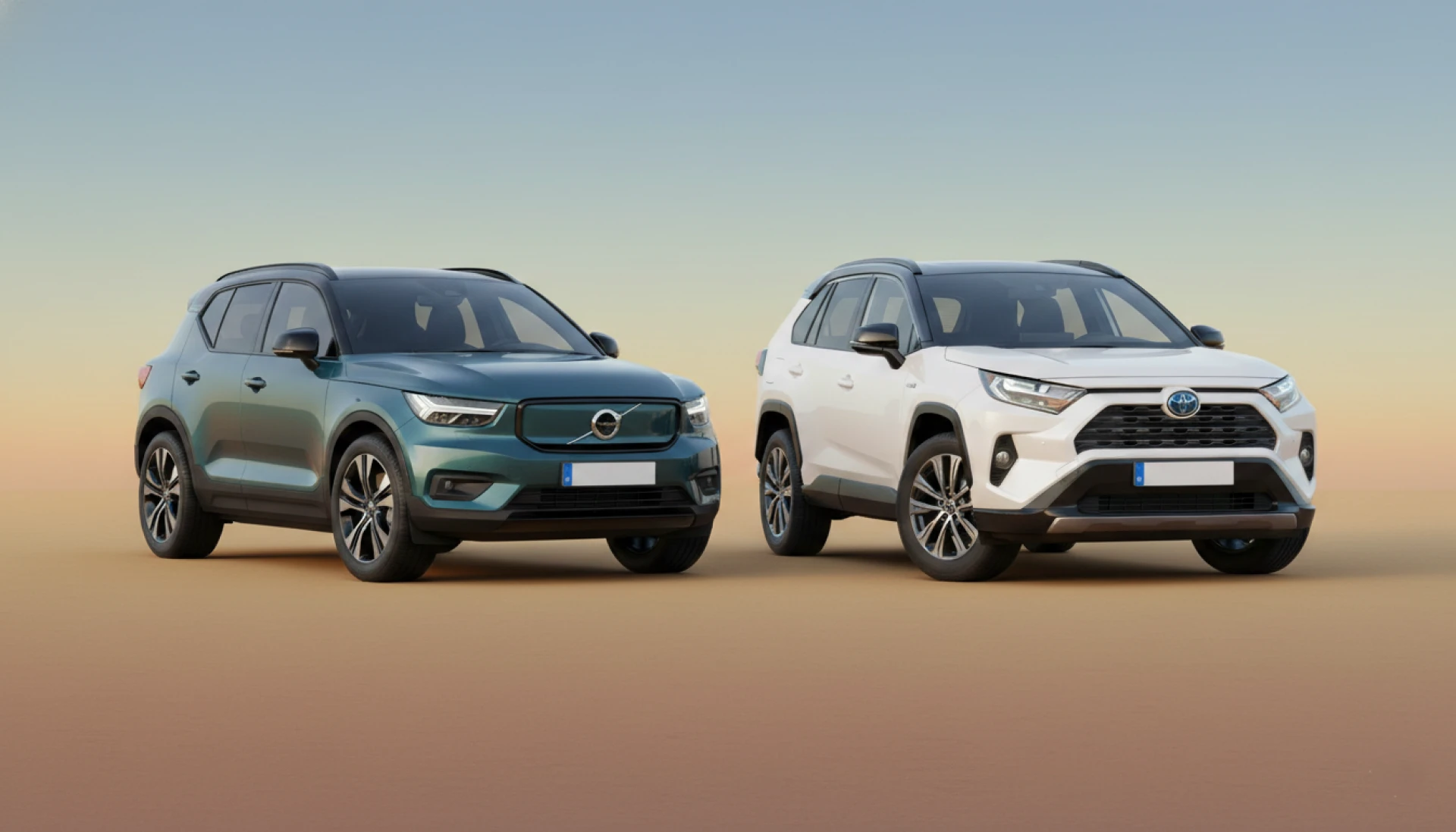

Bahrain is small, but its roads throw a lot at you: tight village streets, busy Manama traffic, high speeds on Isa bin Salman Highway, and regular bottlenecks at peak hours. Add rising fuel costs and you quickly realise your next SUV choice is not just about looks. So let’s break it down: should you lean toward a hybrid SUV or a compact petrol SUV for Bahrain’s real-world driving mix?
Bahrain roads and traffic: the context
You’re dealing with three very different environments on the same day:
- Wide multi-lane highways in the north that encourage higher speeds.
- Narrow, twisting roads in older parts of Manama and Muharraq.
- Congested city corridors where stop‑and‑go traffic is normal.
Manama drivers are heavily car-dependent, and congestion is a real factor, with average speeds under 40 km/h and significant time lost at rush hour. What this really means is any SUV that saves fuel in slow traffic and stays easy to park in tight spaces has an immediate advantage.
Fuel economy: where hybrids pull ahead
Here’s the thing: Bahrain’s petrol is still affordable by global standards, but prices have climbed and are expected to rise further through 2026–2027. Gasoline hit as high as 0.53 USD per litre in 2025, and projections show a gradual upward trend.
Hybrid SUVs are built for exactly this environment:
- They use electric assist at low speeds and during stop‑start traffic, cutting fuel use in Manama’s congestion.
- Typical hybrid crossovers can deliver nearly double the efficiency of equivalent petrol‑only SUVs in mixed driving, especially in city use.
Modern hybrids like the latest RX hybrid and similar models sold in the region combine a petrol engine with electric motors, and many real‑world tests show them using around 5–6 litres per 100 km in moderate conditions. On a small island where most trips are short, that efficiency adds up quickly over a few years.
Compact petrol SUVs, on the other hand, have improved but still can’t match hybrids in heavy traffic. They make more sense if:
- Your driving is mostly highway at steady speeds.
- You want lower upfront cost and are okay with higher fuel bills over time.
City comfort, size, and parking
Let’s talk size, because Bahrain’s road network is not just wide highways. Older neighbourhoods and villages often have narrow streets and tight turns.
Compact SUVs usually win here:
- Shorter length and tighter turning radius help in older parts of Manama and Muharraq.
- Easier parallel parking in crowded commercial areas and older residential streets.
Hybrid SUVs often sit in the same compact or midsize footprint, but many popular hybrids are slightly heavier and sometimes a bit longer due to battery packaging. That weight can make them feel more planted on the highway, but in cramped areas a lighter compact SUV can feel more agile and easygoing.
What this really means is:
- If most of your life is mall runs, school drops, and weaving through busy side streets, a compact SUV’s footprint is a real advantage.
- If you’re often mixing those duties with weekend highway runs to other parts of the island, a compact hybrid SUV hits a sweet spot.
Performance and comfort on highways
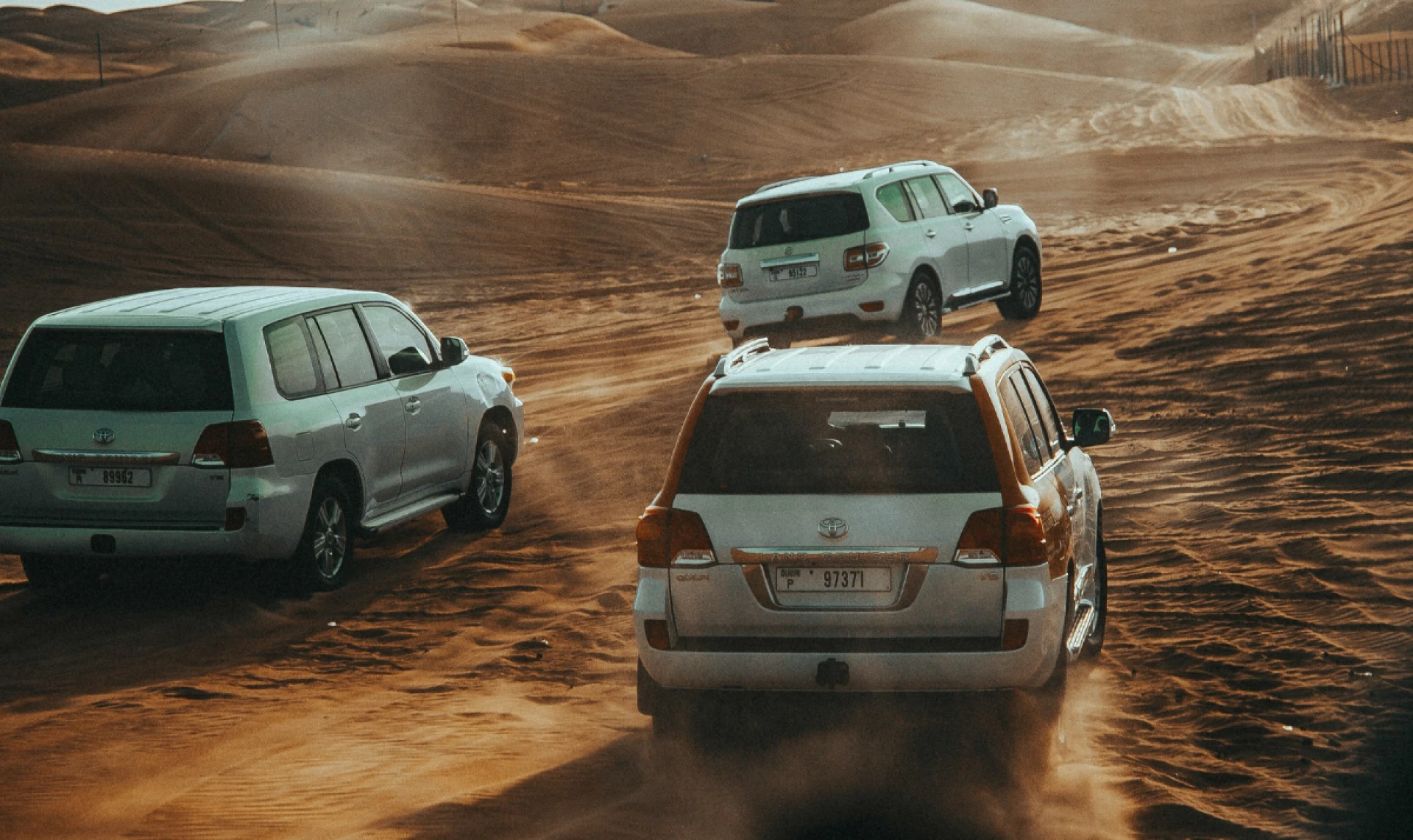
Isa bin Salman and other main highways carry the heaviest daily traffic, with higher speeds and frequent lane changes. Stability, acceleration, and braking matter more here than raw off‑road ability.
Modern hybrids in the midsize crossover class often deliver strong torque and confident overtaking thanks to electric assistance. That quick response is handy when you need to slot into gaps in fast‑moving traffic. The trade‑off is usually:
- Slightly higher purchase price.
- More complexity under the bonnet.
Compact petrol SUVs may have:
- Lighter weight, which can translate to slightly more nimble steering feel.
- Enough power for Bahrain’s speed limits, but usually less punch in quick overtakes compared to higher‑output hybrids.
If you spend long stretches on the highway with family and luggage, a well‑specced hybrid SUV often feels calmer and more refined, especially at cruising speeds. If your highway runs are short and occasional, a compact petrol SUV is still perfectly adequate.
Reliability, maintenance, and long‑term ownership
Globally, the hybrid market has matured fast, with major brands selling millions of vehicles and refining battery and motor technology. The track record on reliability from the established players is strong, provided maintenance follows the service schedule.
Key points to weigh:
- Hybrids:
- Fewer brake pad changes due to regenerative braking.
- More complex components (battery, inverters, motors) but generally long‑lasting when maintained correctly.
- Compact petrol SUVs:
- Simpler drivetrain, more familiar to independent workshops.
- Slightly cheaper routine maintenance, especially out of warranty.
In Bahrain’s heat, cooling systems and battery management are crucial, and serious manufacturers design for hot climates, including GCC markets. If you’re buying new or nearly new, a hybrid with a solid warranty removes most of the worry. If you’re planning to hold the car well beyond the warranty period, it pays to check local workshop familiarity with your chosen hybrid model.
Cost of ownership: not just the sticker price
Upfront, hybrids are usually more expensive than similar compact petrol SUVs. But that’s only half the story.
Total cost over 5–7 years depends on:
- Annual mileage.
- How much of that is slow, congested city driving versus open highway.
- Fuel price trend, which is currently upward.
If you rack up a lot of city kilometres, hybrids often pay back their price premium through fuel savings. If your mileage is low and mostly suburban or highway, it might take much longer for the fuel savings to offset the higher purchase price.
For buyers dipping into the market of used cars in bahrain, this calculation gets even more interesting, because depreciation on hybrids and compact SUVs can differ based on brand reputation and local demand patterns.
Which suits Bahrain better: hybrid or compact SUV?
Let’s put it side by side so the choice is clearer.
| Factor | Hybrid SUV in Bahrain | Compact Petrol SUV in Bahrain |
|---|---|---|
| Fuel use in traffic | Excellent in stop‑start Manama traffic thanks to electric assist. | Moderate; improved engines but still higher consumption in congestion. |
| Highway comfort | Strong torque and stable cruising; feels solid on main highways. | Light and adequate for island‑length trips, but usually less punch for overtakes. |
| City size and parking | Often slightly larger and heavier, though many are still compact crossovers. | Typically smaller, easier in tight streets and older neighbourhoods. |
| Upfront price | Higher initial cost due to hybrid system. | Lower entry price in most model lineups. |
| Running costs | Lower fuel spend, slightly higher complexity, good if mileage is high. | Cheaper basic maintenance, higher fuel costs over time. |
| Tech maturity | Rapidly growing global market with proven systems from major brands. | Very mature, widely understood, easy to service anywhere. |
So, what should you actually pick?
If most of your driving is in and around Manama, mixed with regular highway trips, and you plan to keep the car for several years, a hybrid compact SUV is often the smarter long‑term play on Bahrain roads. You get better fuel efficiency where it matters most, strong highway manners, and a tech package that aligns with rising fuel prices.
If your priorities are lower upfront cost, simple ownership, and maximum agility in older, tight streets, a well‑chosen compact petrol SUV still makes a lot of sense. The key is to be honest about your daily routes, how many kilometres you actually drive per year, and how long you plan to keep the vehicle.
So ask yourself: city heavy or highway heavy, short‑term or long‑term, efficiency first or simplicity first? Once you answer that, the choice between hybrid and compact SUV for Bahrain roads becomes a lot easier.
What’s your typical weekly driving pattern in Bahrain: mainly Manama city use, or a mix with regular highway runs?






















Sign in to leave a comment.