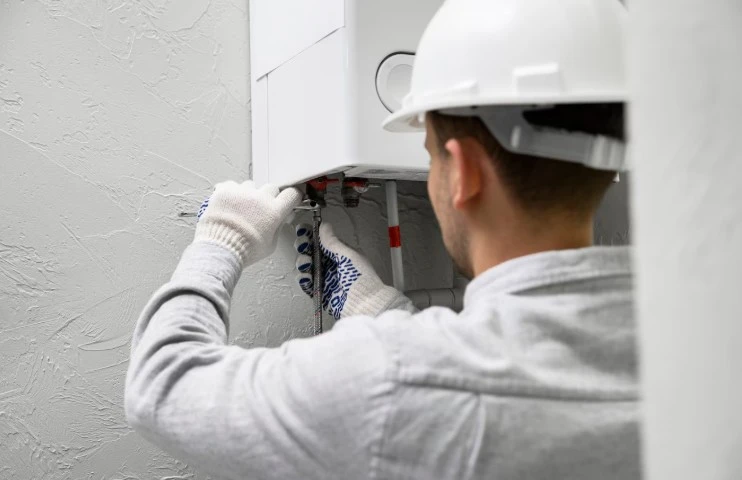

As energy prices climb and environmental awareness grows, homeowners are seeking smarter ways to manage their utility consumption. One solution gaining rapid traction is the hybrid water heater — a game-changing innovation that blends energy efficiency with advanced heating technology. Unlike traditional systems, this cutting-edge unit offers an eco-friendly alternative to heating water without sacrificing performance or comfort.
Whether you're upgrading an outdated system or exploring options for a new build, understanding how hybrid water heaters work and their potential benefits can help you make an informed decision that pays off for years to come.
What is a Hybrid Water Heater?
A hybrid water heater, also known as a heat pump water heater, combines the features of a conventional electric water heater with a heat pump. Instead of generating heat directly, it draws warmth from the surrounding air and transfers it to the water tank, using a compressor and evaporator coil. This method significantly reduces electricity consumption, making it one of the most energy-efficient water heating options available today.
While they still include an electric heating element for backup during high demand, the primary heat source is the ambient air — making this system highly efficient, especially in warmer climates or indoor spaces with consistent temperature.
How Does It Work?
The operation of a hybrid water heater relies on basic thermodynamic principles. Here’s a simplified breakdown:
- Heat Absorption: The system pulls in warm air through a fan.
- Heat Transfer: A refrigerant absorbs this heat and passes through a compressor, increasing its temperature.
- Water Heating: The heated refrigerant transfers energy to the water in the tank via a heat exchanger.
- Backup Element: During times of high demand or colder conditions, the traditional electric element provides support.
This dual-functionality ensures consistent hot water supply without the constant energy draw of conventional models.
Key Advantages
1. Energy Efficiency
By leveraging ambient air, hybrid water heaters can be up to three times more efficient than standard electric water heaters. This leads to significant savings on energy bills — often reducing water heating costs by 60% or more.
2. Environmental Impact
Lower energy consumption also translates to reduced greenhouse gas emissions, making these systems a more sustainable choice for environmentally conscious homeowners.
3. Smart Technology
Many models come equipped with Wi-Fi connectivity, programmable schedules, and usage monitoring — allowing users to optimize energy use remotely via mobile apps.
4. Longevity
On average, hybrid water heaters have a longer lifespan than conventional systems, with some lasting up to 13-15 years when properly maintained.
Considerations Before Installation
While the benefits are clear, several factors should be evaluated before installing a hybrid unit:
- Space Requirements: These units are typically taller and require more clearance for airflow.
- Ambient Temperature: Efficiency is highest in environments where the air temperature remains between 40°F and 90°F.
- Initial Cost: Upfront investment may be higher than standard units, but the long-term savings usually offset this.
For those ready to make the switch, it’s essential to assess the total cost of ownership, including purchase, installation, and potential incentives or rebates.
When to Buy Hot Water System With Hybrid Features
Timing your purchase wisely can make all the difference. If your current heater is over ten years old or failing to meet household demands, it's likely time to buy hot water system that incorporates energy-efficient features. Hybrid models are particularly ideal if:
- You live in a warm or moderate climate
- You want to lower monthly utility costs
- Your household has high hot water demand
- You plan to stay in your home long-term
Opting to buy hot water system with hybrid technology ensures future-readiness while keeping your energy footprint minimal.
Frequently Asked Questions (FAQ)
Q1: Are hybrid water heaters noisy?
Most units operate quietly, though the fan and compressor may produce a soft hum. Noise levels are generally lower than air conditioners and are rarely disruptive.
Q2: Can I install a hybrid water heater in a cold climate?
Yes, but their efficiency is reduced in colder environments. It’s recommended to install them in insulated areas like basements or utility rooms where temperatures remain moderate.
Q3: Do hybrid water heaters require more maintenance?
Not significantly. Like any system, they benefit from annual maintenance such as cleaning the air filter, checking the anode rod, and flushing the tank to remove sediment buildup.
Q4: Are there government rebates for hybrid water heaters?
Many local and federal programs offer incentives for energy-efficient appliances. It’s advisable to check with local energy providers or government websites for available rebates and tax credits.
Conclusion
The hybrid water heater represents a forward-thinking solution for modern households seeking to slash energy costs without compromising performance. By intelligently harnessing surrounding air to heat water, these systems offer a blend of sustainability, cost-efficiency, and innovation that aligns with today’s energy-conscious world.
If you’re planning to buy hot water system that’s both smart and sustainable, hybrid models stand out as a leading choice. From reduced energy bills to long-term durability, they’re a powerful investment in your home’s comfort and efficiency.







Sign in to leave a comment.