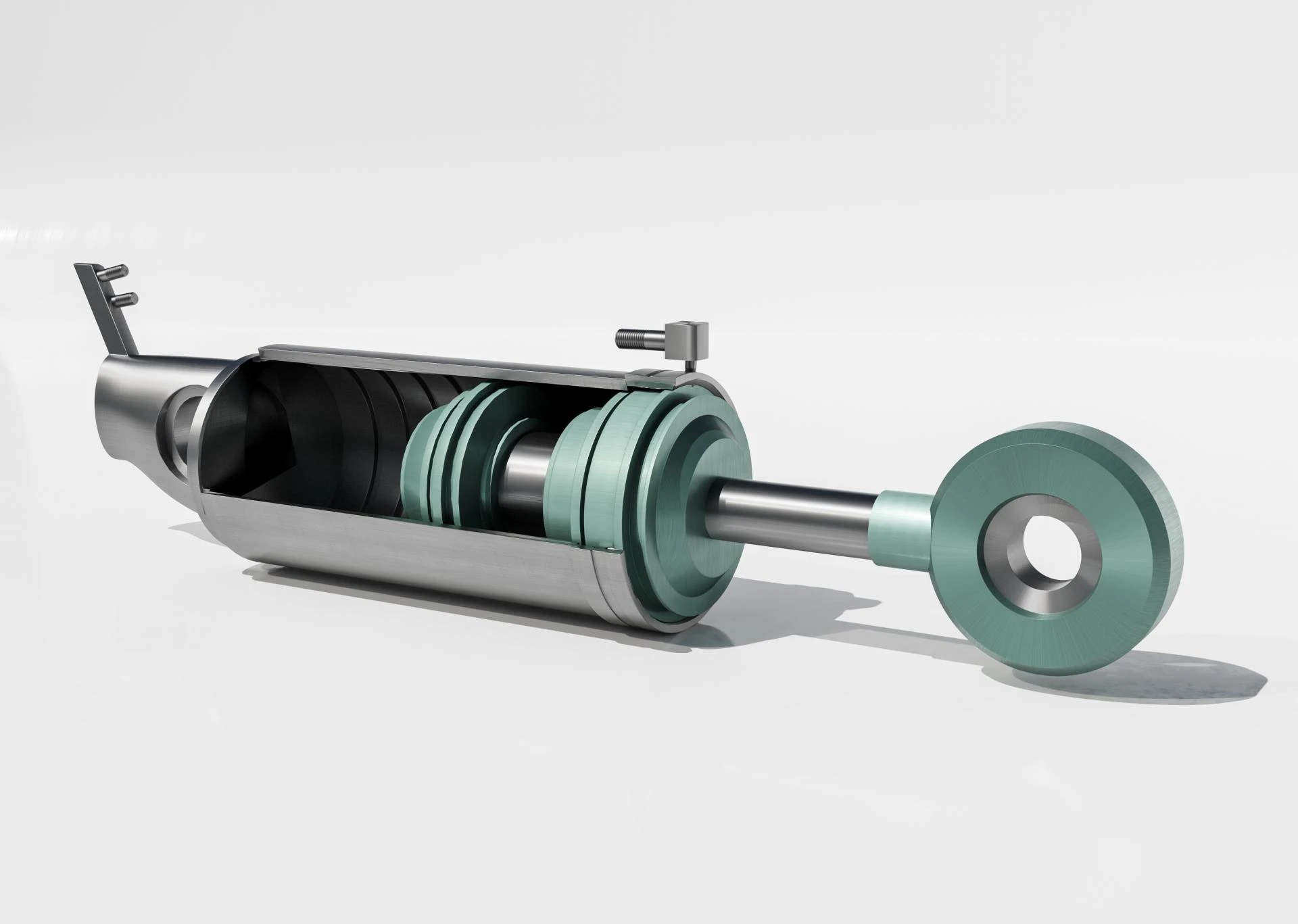

Hydraulic systems are the backbone of many modern machines, from heavy construction equipment to precision manufacturing machinery. At the heart of every hydraulic system is the hydraulic cylinder piston, a critical component that converts fluid pressure into mechanical motion. In this blog, we’ll delve into the world of hydraulic cylinder pistons, exploring their design, function, and importance in hydraulic systems.
What is a Hydraulic Cylinder Piston?
A hydraulic cylinder piston is a moving component within a hydraulic cylinder that converts fluid pressure into mechanical motion. The piston is typically a cylindrical piece of metal with seals and rings that move up and down within the cylinder, driven by fluid pressure.
How Does a Hydraulic Cylinder Piston Work?
The hydraulic cylinder piston works by using fluid pressure to generate force, which is then transmitted to the piston rod, causing it to move. The process can be broken down into the following steps:
1. Fluid Pressure: Hydraulic fluid is pumped into the cylinder, creating pressure that acts on the piston.
2. Piston Movement: The pressure forces the piston to move, which in turn moves the piston rod.
3. Mechanical Motion: The piston rod is connected to a mechanical load, such as a heavy object or a machine, which is then moved or actuated by the piston’s motion.
Types of Hydraulic Cylinder Pistons
There are several types of hydraulic cylinder pistons, each designed for specific applications and operating conditions. Some common types include:
1. Single-Acting Pistons: These pistons are designed for applications where the piston only needs to move in one direction.
2. Double-Acting Pistons: These pistons are designed for applications where the piston needs to move in both directions.
3. Telescoping Pistons: These pistons are designed for applications where a long stroke is required, such as in heavy construction equipment.
Importance of Hydraulic Cylinder Pistons
Hydraulic cylinder pistons are a critical component of hydraulic systems, and their importance cannot be overstated. Some of the key reasons why hydraulic cylinder pistons are so important include:
1. Efficiency: Hydraulic cylinder pistons enable hydraulic systems to convert fluid pressure into mechanical motion with high efficiency.
2. Reliability: Hydraulic cylinder pistons are designed to operate in harsh environments and withstand heavy loads, making them a reliable choice for many applications.
3. Customization: Hydraulic cylinder pistons can be custom-designed to meet the specific needs of an application, allowing for optimal performance and efficiency.
Conclusion
In conclusion, hydraulic cylinder pistons are the heart of every hydraulic system, converting fluid pressure into mechanical motion with efficiency and reliability. Their importance cannot be overstated, and their customization options make them an ideal choice for a wide range of applications. Whether you’re designing a new hydraulic system or maintaining an existing one, understanding the role and importance of hydraulic cylinder pistons is essential.
About the Author
GPM ENGINEERING is a Machining Components Manufacturer with extensive experience in the hydraulic industry. With a passion for sharing knowledge and insights, GPM ENGINEERING is committed to helping others understand the complexities of hydraulic systems and components.
Contact Us
If you have any questions or would like to learn more about hydraulic cylinder pistons, please don’t hesitate to contact us. Our team of experts is always available to provide guidance and support.


























Sign in to leave a comment.