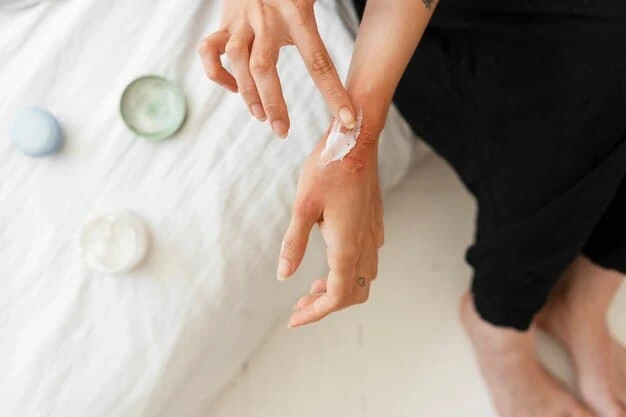

Rashes can be uncomfortable and unsightly, often causing itchiness, redness, and irritation. One common remedy for treating rashes is hydrocortisone cream, a topical corticosteroid known for its anti-inflammatory properties. While hydrocortisone cream can provide relief, understanding its proper application and usage is vital for achieving the best results. This article outlines the dos and don'ts of using hydrocortisone cream for rashes, ensuring effective treatment while minimizing potential side effects.
Understanding Hydrocortisone Cream
Hydrocortisone cream is a topical medication that helps reduce inflammation, redness, and discomfort associated with various skin conditions, including rashes. It works by suppressing the immune response and decreasing the production of inflammatory substances in the skin. This makes it particularly effective for treating allergic reactions, eczema, dermatitis, and other inflammatory skin conditions.
However, while hydrocortisone cream can be beneficial, it is essential to use it correctly to avoid complications. Below are some guidelines on how to use hydrocortisone cream for rashes effectively.
Dos of Using Hydrocortisone Cream for Rashes
1. Do Consult a Healthcare Professional
Before starting any treatment, including hydrocortisone cream, it is crucial to consult with a healthcare professional. They can provide a proper diagnosis of the rash and determine whether hydrocortisone is appropriate for your condition. This step is especially important if the rash is widespread, persistent, or accompanied by other symptoms such as fever or swelling.
2. Do Follow Application Instructions
When using hydrocortisone cream, it is essential to follow the application instructions provided by your healthcare professional or those outlined on the product packaging. Typically, the cream should be applied in a thin layer directly to the affected area of the skin. Be sure to wash your hands before and after application to prevent spreading the medication to other areas of the body.
3. Do Use a Small Amount
A common misconception is that more cream equals better results. In fact, using a small amount of hydrocortisone cream is often more effective. A pea-sized amount is usually sufficient for treating localized rashes. Applying excessive amounts can lead to side effects such as skin thinning or irritation.
4. Do Monitor Your Skin's Reaction
After applying hydrocortisone cream, closely monitor your skin for any changes. While it is normal to experience some initial redness or irritation, any worsening of the rash or development of new symptoms should be reported to a healthcare professional.
5. Do Limit the Duration of Use
Hydrocortisone cream is typically intended for short-term use. Most healthcare professionals recommend using it for no longer than two weeks without a break. Prolonged use can lead to skin thinning, stretch marks, and other adverse effects. If symptoms persist after the recommended duration, seek guidance from a healthcare provider.
Don'ts of Using Hydrocortisone Cream for Rashes
1. Don’t Apply to Broken Skin
Avoid applying hydrocortisone cream to open wounds, cuts, or broken skin. While it may be tempting to treat a rash in these areas, doing so can increase the risk of infection and exacerbate the condition. Instead, allow the skin to heal before using the cream.
2. Don’t Use for Unidentified Rashes
If you are unsure of the cause of your rash, refrain from using hydrocortisone cream without consulting a healthcare professional. Certain rashes, such as those caused by fungal infections or bacterial infections, may worsen with the application of corticosteroids. Identifying the underlying cause is crucial for effective treatment.
3. Don’t Mix with Other Products
When using hydrocortisone cream, avoid mixing it with other topical products unless directed by a healthcare professional. Combining different treatments can lead to unexpected interactions and reduce the effectiveness of the hydrocortisone cream.
4. Don’t Use on Sensitive Areas Without Guidance
Using hydrocortisone cream on sensitive areas of the body, such as the face, groin, or underarms, should be done with caution. The skin in these areas is thinner and more susceptible to side effects. Always consult a healthcare provider before applying hydrocortisone cream to sensitive regions.
5. Don’t Ignore Side Effects
If you experience side effects such as increased redness, burning, or itching after applying hydrocortisone cream, discontinue use immediately and consult a healthcare professional. While mild irritation may occur, significant discomfort is a sign that the cream may not be suitable for your skin.
Conclusion: Finding Relief with MiQuest
In summary, hydrocortisone cream can be an effective treatment for various rashes when used correctly. By adhering to the dos and don'ts outlined in this article, individuals can maximize the benefits of the cream while minimizing potential risks. Consulting with a healthcare professional, following proper application techniques, and monitoring skin reactions are all vital components of effective treatment.
For those seeking to enhance their skincare routine and address skin issues, MiQuest offers a variety of products designed to support healthy skin. By investing in quality skincare and following proper usage guidelines, individuals can find relief from rashes and maintain a radiant complexion. Always remember to prioritize safety and consult with a professional for personalized recommendations tailored to your unique skin needs.






























Sign in to leave a comment.