

A few years ago, hydrogen was mostly a topic for conferences and policy papers. Now it’s showing up in planning applications, supply chain contracts and regional job plans. Here are seven ways hydrogen projects are changing how the UK produces and uses energy.
1. They’re reaching the sectors electricity can’t
Wind farms and solar panels have cleaned up the grid, but steelworks, chemical plants and heavy haulage need more than a plug. Hydrogen burns hot, carries plenty of energy and produces only water when it’s used. For industries with few alternatives, it’s one of the more realistic ways to cut carbon without closing down.
2. They’re giving waste a second life
The UK still sends a lot of non-recyclable material to landfill or incineration. Hydrogen Transition Energy (HTE), based in Broadstairs, Kent, wants to use it instead. Its proposed Manston Hydrogen Park, which the company describes as the UK’s first commercial-scale waste-to-hydrogen facility, uses plasma-assisted gasification. Waste is broken down in a sealed, oxygen-controlled chamber at temperatures above 3,000°C, and the hydrogen is purified to fuel cell grade under the ISO 14687 standard. Household residual waste, tyres, commercial plastics and even old wind turbine blades are among the feedstocks.
3. They’re capturing carbon, not just avoiding it
A good hydrogen project doesn’t only swap one fuel for another. In HTE’s design, the carbon dioxide is captured within the process so it can be used or stored, rather than released. The leftover inorganic material melts into an inert slag, which HTE says can be reused as construction aggregate. HTE also reports that Manston is designed to cut emissions by around 109,000 tonnes a year. That figure is the company’s own, so independent checking will matter as the project moves forward.
4. They’re spreading across different regions
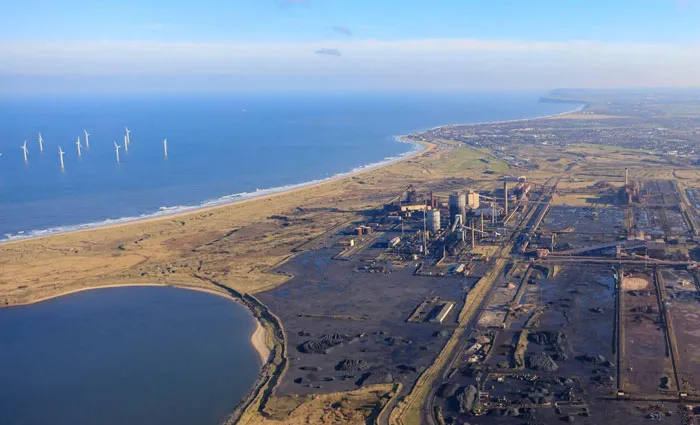
Hydrogen UK isn’t a single national plan. Scotland has the wind for green hydrogen, made by splitting water with renewable electricity. Teesside and Merseyside have the pipes, plants and skills to produce hydrogen from gas with the carbon captured. Kent has ports, industry and a lot of waste. Each region builds on what it already has, which spreads the risk and the benefits.
5. They’re creating skilled jobs where they’re needed
Hydrogen plants need engineers, construction crews, operators and maintenance teams. Many of the sites are planned for coastal and former industrial areas that lost work when older industries declined. Projects like these can give local people a path into long-term, skilled roles, and the know-how built here can be exported later.
6. They’re making the grid more flexible
Wind doesn’t always blow when demand is high, and sometimes there’s more power than the grid can take. Electrolysers can soak up that surplus and turn it into hydrogen, which can be stored for weeks and used when needed. Batteries handle short bursts well but aren’t built for long-term storage, so hydrogen fills a different gap.
7. They’re driving new hydrogen transition technology
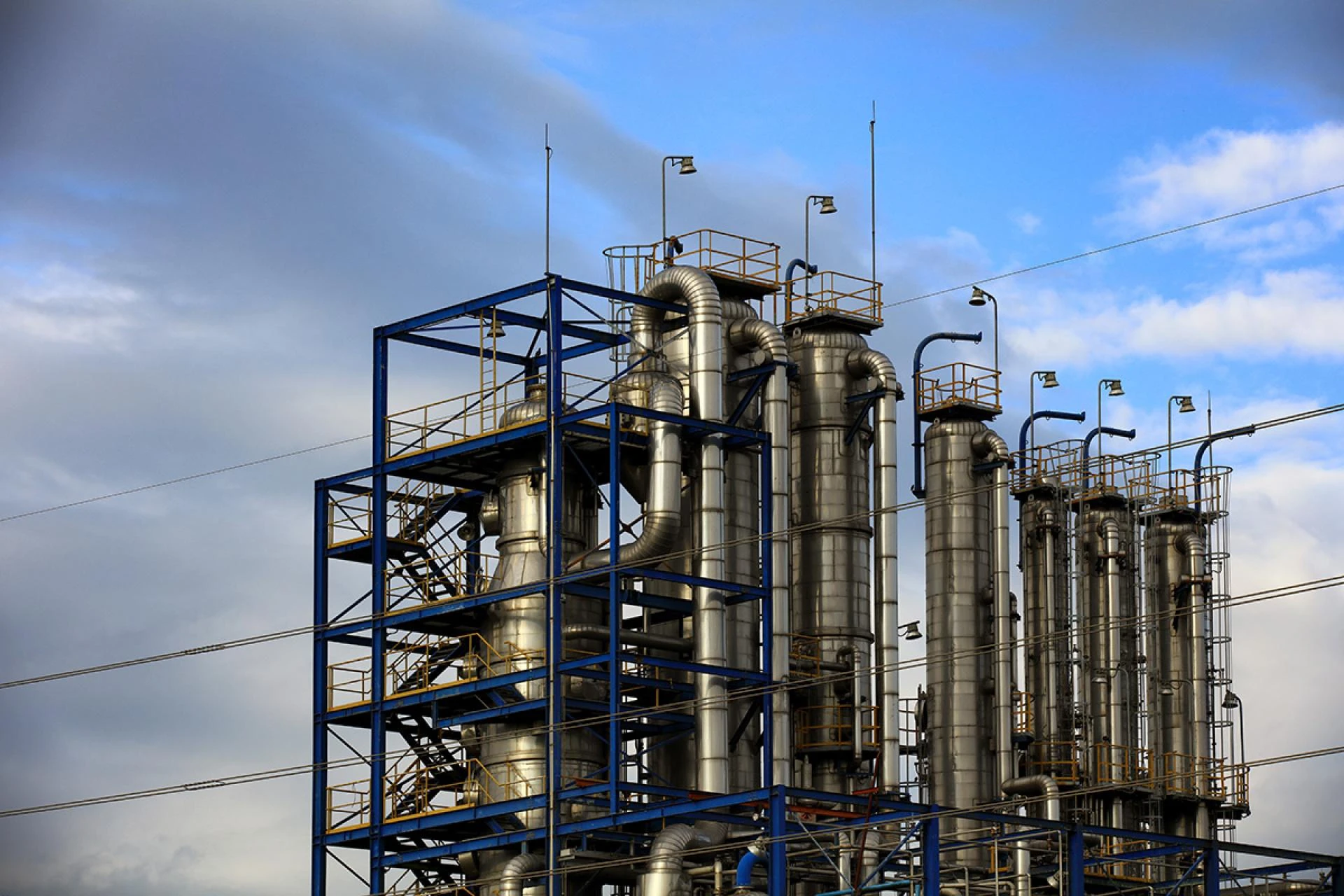
Every plant built teaches engineers something. Better gasification, cleaner purification, more efficient electrolysers and smarter carbon capture all improve with real-world use. Hydrogen transition technology is moving from pilot schemes to commercial scale, and each project helps bring costs down for the next. HTE works with partners such as INENTEC for gasification units, Circular Energy Solutions for carbon footprint assessment and planning consultants for the approvals process, which shows how many specialists a single project pulls together.
The honest bit
None of this is guaranteed. Hydrogen still costs more than natural gas, and developers can’t raise finance without buyers lined up. Pipelines, storage and safety standards need to keep pace. Carbon reporting has to be open, because “low carbon” depends on how the hydrogen is made. And waste-based plants should only take material that truly can’t be recycled, so they never undercut recycling itself.
Government policy matters just as much. Investors want clear, steady rules.
Conclusion
Hydrogen won’t replace everything, and it shouldn’t be used where electricity does the job better. But for heavy industry, long-term storage and the waste we can’t recycle, it fills gaps nothing else can. If the projects now taking shape reach delivery, hydrogen UK could move from promising idea to everyday infrastructure. HTE’s work at Manston is one example of how waste management and clean energy can come together, and it’s well worth watching.



















Sign in to leave a comment.