https://www.youtube.com/watch?v=Z1uwhrVPjdA
The challenges of modern livestock farming have driven a surge of interest in innovative feed solutions, and hydroponic fodder grow systems have emerged as a compelling option. These systems, which cultivate sprouted grains or other fodder crops in a controlled, soilless environment, promise to deliver fresh, nutrient-dense feed with increased efficiency and sustainability. Understanding the workings, advantages, limitations, and operational best practices of hydroponic fodder systems is essential for farmers, agribusiness operators, and anyone interested in sustainable livestock nutrition.
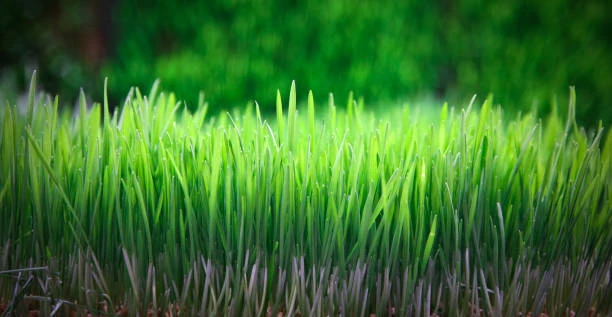
At the core of hydroponic fodder production is the principle of germination and rapid growth in a water-based, nutrient-controlled environment. Unlike traditional fodder, which relies on soil cultivation or direct feeding of grains and silage, hydroponic systems allow seeds to sprout and develop into green, tender shoots within a matter of days. The process typically begins with the selection of appropriate seeds—commonly barley, wheat, oats, or maize—chosen for their rapid germination rates, high nutritional value, and palatability to livestock. Seeds are cleaned, soaked, and then spread on trays or racks designed to provide optimal conditions for water absorption, aeration, and drainage. By eliminating soil, these systems reduce the risk of contamination by pathogens, pests, or unwanted weeds.
Water management is a crucial element in hydroponic fodder production. Continuous or periodic irrigation ensures that seeds remain moist without waterlogging, which could lead to mold growth or rotting. Some systems employ automated misting or drip irrigation to maintain precise moisture levels, while others rely on gravity-fed designs. The controlled delivery of water not only supports uniform germination but also facilitates efficient nutrient uptake from the seed itself, allowing the sprouts to develop dense, green foliage rich in vitamins, proteins, and minerals. Temperature and humidity control further enhance growth, creating an environment in which fodder can reach harvestable size—typically around seven to ten days—more predictably than traditional pasture or hay cultivation.
The benefits of hydroponic fodder systems are multifaceted, spanning nutrition, efficiency, sustainability, and labor management. Perhaps the most immediate advantage is the production of highly digestible, nutrient-rich feed. Sprouted grains contain higher concentrations of digestible proteins, essential amino acids, and bioavailable minerals compared to unsprouted grains, enhancing livestock growth rates, milk production, and overall health. The rapid growth cycle means that fresh fodder can be harvested continuously, providing a reliable feed source year-round, regardless of season or local climate conditions. This is particularly valuable in regions prone to drought, extreme temperatures, or limited arable land, where conventional pasture or hay may be scarce or inconsistent.
Efficiency is another notable benefit. Hydroponic fodder systems require significantly less land area than conventional fodder production, as growth occurs vertically or in compact racks, making them ideal for urban or space-constrained farms. Water consumption is also dramatically reduced compared to traditional irrigation for field crops. Because the system recirculates water and limits evapotranspiration, it can produce multiple cycles of fodder with far less water input. This characteristic aligns with the growing global emphasis on sustainable agriculture, offering livestock producers a method of feed cultivation that is both resource-conscious and environmentally responsible.
Labor and operational efficiency are enhanced through automation and predictable growth cycles. Hydroponic systems, once established, can reduce manual work associated with planting, watering, and harvesting compared to field-based fodder or silage. Automated trays, irrigation systems, and harvest mechanisms allow for consistent output, minimizing human error and enabling farmers to focus on animal care and other operational priorities. Additionally, the controlled environment mitigates many challenges associated with conventional fodder, such as weed infestation, pest management, and exposure to pathogens in the soil. This translates to higher-quality feed and a reduction in veterinary risks associated with contaminated or low-quality feed.
Despite these advantages, hydroponic fodder grow systems are not without drawbacks. Initial capital investment can be substantial, particularly for automated, high-capacity systems. The cost of racks, trays, irrigation infrastructure, lighting, and climate control equipment may pose a barrier for small-scale farmers or operations with limited budgets. Energy consumption, especially for systems that rely on artificial lighting or heating to maintain optimal growth conditions, represents an ongoing operational expense. Additionally, careful monitoring is required to prevent mold, root rot, or uneven germination, which can compromise feed quality. Unlike soil-based fodder, where seeds have a natural buffer against environmental fluctuations, hydroponic systems demand precise management of temperature, humidity, and moisture.
Another challenge relates to the scale of production and nutritional balance. While hydroponic fodder provides excellent forage for livestock, it may not fully replace the need for additional nutrients such as fiber, minerals, or supplements, depending on the animal’s dietary requirements. Farmers must integrate hydroponic fodder into a balanced feeding strategy, ensuring that livestock receive all necessary nutrients for optimal growth and health. Overreliance on hydroponic sprouts alone can lead to deficiencies if not managed carefully, highlighting the importance of thoughtful planning in system adoption.
Best practices for hydroponic fodder production emphasize careful system design, seed management, and operational hygiene. Selecting high-quality seeds with high germination rates is essential for uniform growth and maximum yield. Trays or racks should be designed to allow adequate drainage, airflow, and light penetration, preventing mold or fungal development. Water should be filtered or treated as necessary to prevent contamination, and nutrient solutions should be monitored if additional supplementation is used. Maintaining consistent temperature and humidity levels, whether through natural ambient control or climate-controlled environments, ensures predictable and uniform growth cycles. Regular cleaning and sanitation of the trays, irrigation lines, and growing surfaces prevent microbial buildup, safeguarding both the fodder and the health of the animals consuming it.
The timing of harvest is another key factor. Fodder is typically ready within seven to ten days, depending on the seed type, environmental conditions, and desired shoot length. Harvesting at the appropriate stage ensures optimal nutrient content, palatability, and digestibility. Leaving sprouts to grow too long can result in excessive water content, reduced protein density, and lower overall feed quality. Conversely, harvesting too early may yield insufficient biomass to meet livestock feeding needs. Synchronizing production cycles with animal feeding schedules maximizes efficiency and reduces waste.
Integration with livestock operations also requires careful planning. Hydroponic fodder systems are particularly well-suited for dairy cows, goats, sheep, and poultry, all of which can readily consume sprouted grains. Placement of the system near the animal housing area reduces labor associated with transporting feed and ensures that fodder remains fresh, preserving nutrient content and palatability. Additionally, monitoring animal intake provides feedback on system productivity, allowing adjustments in planting density, tray numbers, or harvest frequency to optimize feed supply.
The adaptability of hydroponic fodder systems is a notable strength. These systems can be scaled to fit small family farms or large commercial operations. Modular designs allow farmers to add trays, racks, or climate control units as needed, tailoring production to seasonal demand or herd size. Some systems integrate vertical racking, enabling multiple layers of growth within a compact footprint, while others prioritize horizontal layouts for simpler installation and maintenance. The flexibility of system configuration allows for experimentation and optimization, enabling farmers to identify the most efficient setup for their particular needs.
While the operational benefits of hydroponic fodder systems are substantial, education and training are critical for success. Operators must understand the interactions between seed type, water management, environmental control, and animal nutrition. Mismanagement of moisture, lighting, or sanitation can rapidly lead to suboptimal growth, mold development, or disease transmission. Structured training and careful observation during initial adoption periods are crucial for building the expertise necessary to manage these systems efficiently and sustainably.
In addition to productivity and nutrition, hydroponic fodder production offers environmental advantages. By reducing the reliance on conventional forage crops grown in open fields, it mitigates land-use pressure and minimizes the need for heavy irrigation, fertilizers, and pesticides. Wastewater management is simplified, as water is recirculated within the system, reducing runoff and contamination risks. For regions facing drought or limited arable land, hydroponic systems offer a sustainable alternative, enabling high-quality feed production with minimal environmental footprint. These ecological benefits align with broader goals of sustainable agriculture, resource efficiency, and climate resilience.
Economic analysis of hydroponic fodder systems demonstrates potential long-term savings despite initial costs. Reduced feed transportation, lower water consumption, and higher nutritional quality contribute to decreased operational expenses over time. Increased livestock productivity—whether through higher milk yields, faster weight gain, or improved overall health—further enhances return on investment. Farmers who successfully integrate hydroponic fodder into a diversified feeding strategy can achieve a balance between upfront investment and ongoing operational efficiency, leveraging the advantages of controlled-environment feed production.
Technological innovation continues to expand the capabilities of hydroponic fodder systems. Automation in irrigation, climate control, and harvest monitoring improves consistency, reduces labor, and minimizes errors. Sensor technologies track moisture levels, temperature, and microbial presence, alerting operators to potential issues before they compromise fodder quality. Integration with farm management software allows data-driven decision-making, optimizing planting schedules, feeding cycles, and resource allocation. These innovations make hydroponic fodder systems increasingly viable for both small-scale farms and large commercial enterprises.
However, challenges remain. Dependence on electricity and equipment reliability is a key consideration. Power outages, pump failures, or equipment malfunctions can disrupt the growth cycle, leading to losses if contingency plans are not in place. Maintenance of mechanical and electronic components is essential, requiring both technical knowledge and access to replacement parts. Additionally, while hydroponic fodder is highly nutritious, it does not fully replace the complexity of a balanced diet for livestock, necessitating careful planning and integration with other feed sources.
In conclusion, hydroponic fodder grow systems represent a transformative approach to livestock feed production. They offer significant advantages in terms of nutrient density, efficiency, sustainability, and operational convenience. The rapid growth cycle, reduced water and land requirements, and enhanced control over environmental conditions make them especially appealing in regions with limited resources or challenging climates. At the same time, successful implementation requires careful attention to system design, seed selection, water management, sanitation, and integration with livestock nutrition. Awareness of drawbacks, such as capital costs, energy use, and operational precision, is essential for realistic planning and long-term success.
By adhering to best practices—selecting high-quality seeds, maintaining optimal moisture and temperature, ensuring proper sanitation, and integrating fodder production with overall feeding strategies—farmers can maximize the benefits of hydroponic systems. The flexibility, scalability, and environmental advantages of these systems underscore their potential as a sustainable and reliable feed solution. As technological innovation continues to enhance automation, monitoring, and efficiency, hydroponic fodder systems are poised to play an increasingly important role in modern livestock management, providing fresh, nutritious feed while reducing resource consumption and supporting sustainable agricultural practices worldwide.
Hydroponic fodder cultivation is more than just a feeding method; it is an evolving agricultural practice that aligns modern livestock production with the demands of sustainability, efficiency, and animal welfare. When implemented thoughtfully, it enables farmers to meet nutritional requirements, reduce environmental impact, and improve economic outcomes. Understanding the benefits, acknowledging the limitations, and following best practices ensure that hydroponic fodder systems remain a valuable tool for livestock management, paving the way for a future in which controlled-environment feed production complements traditional farming methods to support a growing global population.




























Sign in to leave a comment.