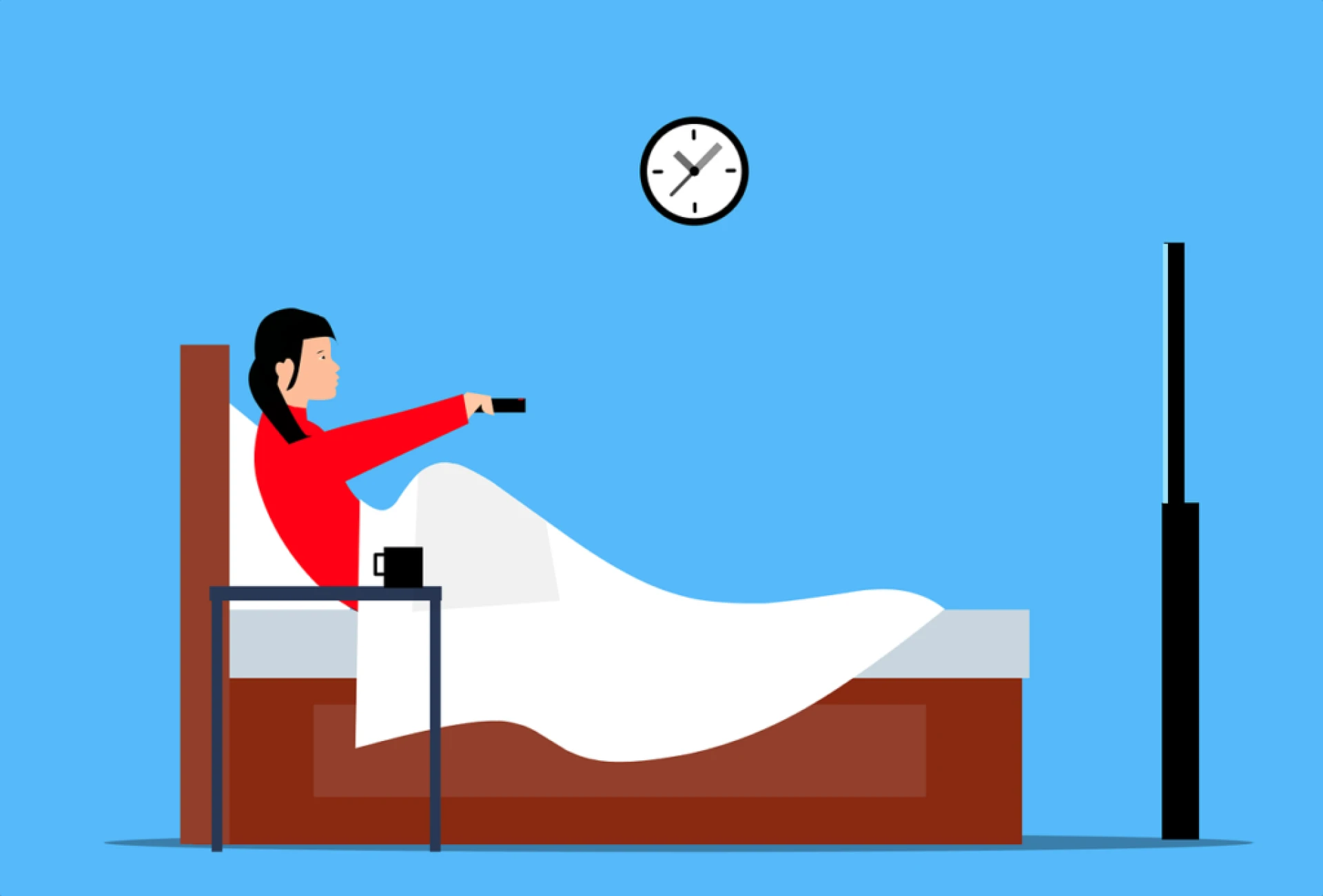

Sleep needs can vary from person to person, but in general, experts recommend that healthy adults get an average of 7 to 9 hours of sleep per night. We all go through times when we are stressed, and our lives are a bit chaotic. But if you cannot sleep it can add to this, so how can you switch off and sleep? And how can Hypnosis to Sleep help?
Here are some tips that can assist you, if added into your daily and nightly routine:
Create a sleep environment
Your bedroom should be as dark and quiet as possible
Your bed should be comfortable, i.e. mattress/duvet/pillows – when was the mattress last rotated? Most manufacturers recommend you should rotate your mattress every 3 – 6 months, to ensure the fillings are evenly distributed/each side gets equal wear.
The temperature of your sleep environment needs to be thought about as well – ideal temperature being 16 – 18c (60 – 65f) although this is, of course, a matter of personal preference.
Fragrances such as Lavender or Bergamont can aid sleep.
Avoid Stimulants
Such as caffeine, nicotine and alcohol close to bedtime.
Whilst alcohol can make you sleepy initially, you’ll find it can often disturb sleep, waking you up more frequently. It can also cause symptoms of insomnia.
We are all different, so listen to your own body, if you’ve been drinking coffee regularly before bed and only just developed a sleeping problem …. the coffee is unlikely to be the cause!
Unplug Before Bed!
Do you realise how your smartphone habits are affecting your sleep?
Associate your bed with sleep, checking your phone stimulates the brain, so we are more active and awake; the mind is still active long after you’ve scrolled through facebook or responded to a few emails.
The bluelight from your phone is an artificial colour that mimics daylight. The opposite of what we need when we are going to bed. In addition research has shown a correlation between suppressed levels of melatonin and exposure to blue light. Melatonin is a hormone responsible for controlling your sleep-wake cycle. The alerting properties from your phone also delay REM.
Active Day
One of the most important circadian rhythms is the sleep-wake cycle. The simplest way to increase a good nights’ sleep is to be awake and active during the day. Daytime exercise both physical and mental, promotes good sleep.
Regular Sleep Routine
Regularity of a sleep schedule is not only important for quality sleep but for your overall health and well-being. Creating a familiar routine, turning off the TV/computer and doing those things that help you relax your body and quieten your mind, will send a signal to your brain that sleep is approaching.
Avoid heated discussions or stress triggers i.e. opening bills, logging on to check work emails, in the lead up to bedtime. Setting a consistent bedtime, and wake time can help you get back on track.
Morning
Because the body runs on clocks it craves consistency. When we get up at the same time each day, give or take 30 mins, the body will know when to expect to wake up. When we wake up before the body is ready, we tend to feel groggy and this grogginess, called sleep inertia, can persist long into the morning. Sticking to a fixed wake time 7 days a week, can improve your sleep and reduce daytime grogginess.
Don’t force sleep
The bed should be reserved for sleep and intimacy only. Spending a long period of time in bed awake can break the association between bed and sleep.
If you’re tossing and turning for more than 30 minutes at the start of the night, or 20 minutes during the night then it may be helpful to get out of bed. When we spend long periods of time in bed awake, the brain can learn to associate the bed with wakefulness so this practice of getting up and out of bed when we can’t sleep can help to strengthen the association between bed and sleep.
Once you find your eyes feeling heavy, go back to bed and ease back into sleep.
Hopefully you will find these tips useful and will help you to get some well-deserved rest.
Hypnosis to sleep?
Hypnotherapy is also a fantastic way to tackle any potential causes impacting your sleep. For example, if anxiety is the source of your insomnia, hypnosis to sleep can complement any existing treatment. Or if a habit is causing your insomnia (such as alcohol) hypnotherapy for insomnia can work to break this habit.
I offer a complimentary discovery call so why not take advantage and book this today, to find out how hypnosis to sleep can help to tackle any underlying issues to improve your sleeping pattern.
0





























Sign in to leave a comment.