The Importance of Reinforced Concrete in High-Performance Structures
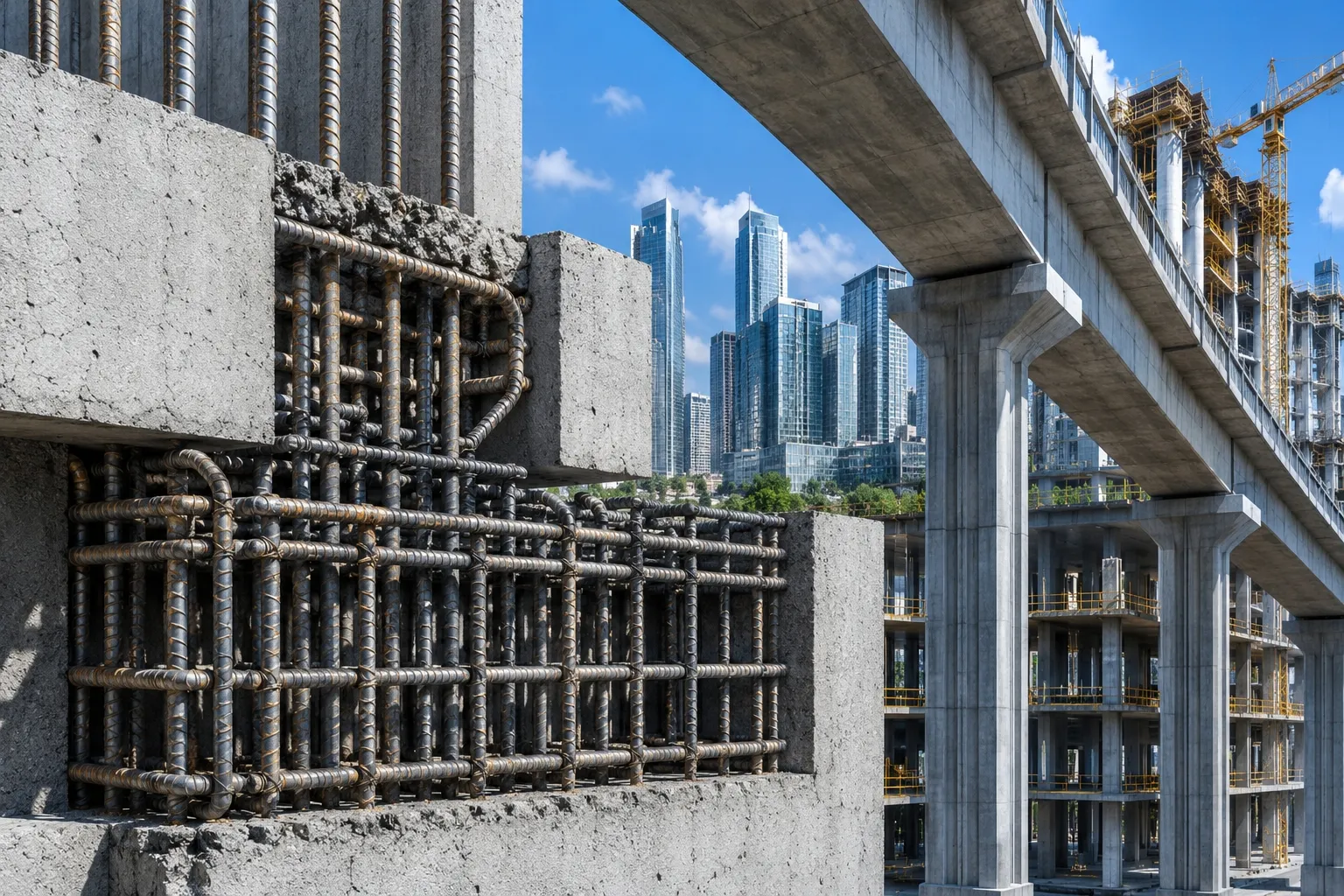
Reinforced concrete has become one of the most trusted construction materials for buildings that must remain strong, stable, and reliable for many years. By combining concrete with steel reinforcement, builders create structures that can safely handle heavy loads, changing weather, and continuous daily use. This combination offers excellent strength, durability, and flexibility, making it a preferred solution for modern projects that demand high performance and long-term structural safety.
What Makes Reinforced Concrete Different?
Concrete is naturally very strong when it is compressed, but it is less effective when it is pulled or bent. Steel reinforcement solves this problem by providing extra tensile strength. Inside reinforced concrete, steel bars or steel mesh work together with the concrete to create a stronger structural system.
This combination helps support:
- Heavy building loads
- Vehicle traffic
- Wind pressure
- Temperature changes
- Ground movement
Many contractors providing concrete construction services in Troy rely on reinforced concrete because it performs well in both residential and commercial construction.
Why High-Performance Structures Need Reinforcement
High-performance structures are designed to perform safely under demanding conditions for many years.
Examples include:
- Multi-storey buildings
- Parking garages
- Bridges
- Industrial facilities
- Educational buildings
- Healthcare centres
These projects require materials that can withstand repeated stress without losing structural strength. Reinforced concrete provides the durability needed for these demanding environments.
Better Resistance to Cracking
Concrete naturally shrinks slightly as it cures and can develop small cracks over time. Reinforcement helps control these cracks by holding the concrete together and distributing stress more evenly. Instead of allowing large cracks to form, reinforcement limits crack width and helps maintain the structure's stability. Proper reinforcement placement also improves the appearance of finished concrete by reducing visible surface damage.
Improved Load Distribution
Every building transfers weight from the roof and upper floors down to the foundation. Reinforced concrete helps distribute these loads safely throughout the structure.
This creates better support for:
- Floors
- Beams
- Columns
- Walls
- Foundations
Accurate engineering ensures that reinforcement is placed exactly where additional strength is needed. Experienced providers of concrete construction services carefully follow structural drawings to ensure proper reinforcement placement during construction.
Performs Well Under Changing Weather
Buildings experience many environmental changes throughout the year.
These include:
- Summer heat
- Winter freezing
- Rain
- Snow
- Humidity
Steel and concrete work well together because they expand and contract at similar rates when temperatures change.
This compatibility reduces internal stress and helps preserve the integrity of the structure over time. Modern construction also includes protective concrete cover around reinforcement to minimize corrosion caused by moisture.
Supports Longer Building Lifespans
One of the biggest advantages of reinforced concrete is its ability to remain functional for decades with proper maintenance. Well-designed reinforced concrete structures often require fewer major repairs compared to less durable construction methods.
Long-term benefits include:
- Lower maintenance costs
- Improved structural reliability
- Better return on investment
- Reduced replacement expenses
Proper construction practices during the initial project greatly influence how long the structure will continue performing efficiently.
Essential for Earthquake and Wind Resistance
In areas that experience earthquakes or strong winds, reinforced concrete provides additional safety. Steel reinforcement allows the structure to absorb and distribute movement without sudden failure.
Engineers often design reinforcement patterns specifically for buildings located in regions with increased seismic or wind activity. Although no building is completely immune to natural disasters, reinforced concrete significantly improves structural resilience when designed according to modern engineering standards.
Modern Reinforcement Technology Continues to Improve
Today's construction industry uses advanced reinforcement products that improve both durability and construction efficiency.
Some examples include:
- Epoxy-coated reinforcing bars
- Stainless steel reinforcement
- Fibre-reinforced concrete
- Welded wire reinforcement
- Glass fibre reinforced polymer (GFRP) bars for specialized environments
These innovations help extend service life while reducing maintenance in challenging conditions such as coastal or high-moisture locations. Many concrete construction services in Troy now incorporate modern reinforcement systems where project requirements call for enhanced durability.
Proper Concrete Cover Protects the Steel
Reinforcement must be placed at the correct depth inside the concrete. This protective layer, called concrete cover, shields the steel from:
- Moisture
- Air exposure
- Chemicals
- Corrosion
If reinforcement is positioned too close to the surface, it may rust over time, which can weaken the structure. Careful quality control during construction helps ensure the correct cover thickness throughout the project.
Skilled Installation Is Just as Important as Material Quality
Even the highest-quality reinforcement cannot perform properly if installed incorrectly. Successful reinforced concrete construction requires:
- Accurate reinforcement placement
- Secure tying of reinforcing bars
- Proper spacing
- Correct concrete vibration
- Careful curing after pouring
Each step contributes to the finished structure's overall performance and durability. Professional concrete construction services understand that attention to detail during installation is just as important as selecting quality construction materials.
Reinforced Concrete Supports Modern Architectural Designs
Today's buildings often include larger open spaces, taller walls, and unique structural features. Reinforced concrete allows architects and engineers to design:
- Long-span floors
- Wide interior spaces
- Curved structural elements
- Large commercial entrances
- Multi-level parking systems
This flexibility allows creative building designs without sacrificing safety or structural performance.
Final Words
Reinforced concrete remains one of the most dependable construction systems for high-performance structures because it combines the compressive strength of concrete with the tensile strength of steel. Together, these materials create buildings that resist heavy loads, weather changes, cracking, and long-term wear while supporting modern architectural designs. Proper engineering, accurate reinforcement placement, and quality construction practices are essential to achieving these benefits. By working with experienced concrete construction services in Troy, property owners and developers can build structures that deliver outstanding safety, durability, and reliable performance for many decades.







Sign in to leave a comment.