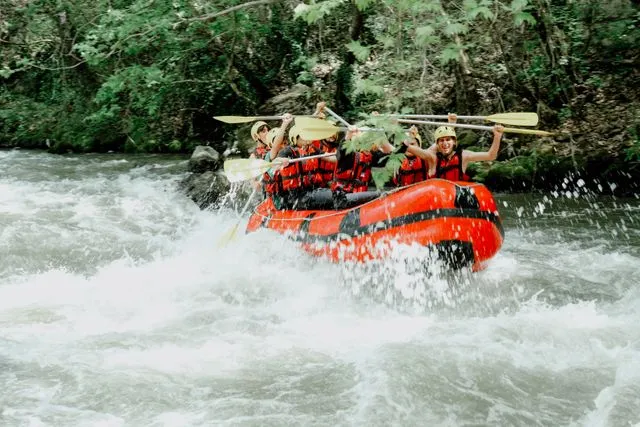

What makes the difference between a thrilling river rafting experience and a dangerous one? The answer lies in preparation, knowledge, and a commitment to safety protocols that every rafter should understand before entering the water. River rafting is an exciting outdoor activity that combines adventure with natural beauty, but it also carries real risks that require serious attention. Whether you're a first-time paddler or someone with experience on different waterways, understanding and practicing essential safety measures can significantly reduce the chance of accidents and ensure everyone in your group returns home with positive memories.
1. Wear Proper Safety Equipment
The most fundamental step in river rafting safety is equipping yourself with appropriate gear designed to protect you in the water. A well-fitting personal flotation device (PFD) is non-negotiable for every single person on the raft, regardless of swimming ability. Even experienced swimmers can find themselves in trouble on a river, where currents, rocks, and changing conditions create unpredictable situations. A high-quality PFD keeps your head above water and reduces fatigue, allowing you to focus on maintaining your position in the raft. A helmet protects your head from hitting rocks during rapids or if you fall from the raft, and water shoes with good grip protect your feet from sharp rocks while providing traction when wading or re-entering the raft.
2. Know Your River and Water Conditions
Understanding the specific characteristics of the river you plan to raft is crucial for safety planning and decision-making. Rivers are rated by difficulty levels, typically ranging from Class I (calm, flat water) through Class VI (extreme and potentially fatal). Before booking a trip, research the river classification, current water level, temperature, and any hazards such as waterfalls, strainers, or difficult portages. Water temperature is particularly important because hypothermia can develop quickly in cold water, even during warmer months.
For paddlers seeking a well-documented and professionally guided waterway, American River Rafting provides conditions and trip information that help beginners and experienced rafters alike understand what they're signing up for before they ever touch the water. Weather conditions also matter significantly, as heavy rain upstream can raise water levels and create dangerous flash currents that change a river's character entirely.
3. Follow Guide Instructions and Communication Protocols
Professional guides and experienced raft leaders exist to keep your group safe, and strict adherence to their instructions is essential for protecting everyone on board. Pay close attention during pre-trip safety briefings when guides explain paddling techniques, how to position yourself in the raft, and what to do if someone falls overboard. Establish clear communication signals with your guide and paddling partners before you launch, covering how to call out warnings or confirm that everyone has heard key instructions.
During the rafting experience, listen carefully to commands about paddling speed, direction, and timing, and ask questions before you're in the middle of a rapid if anything is unclear. Guides have typically undergone extensive training and have navigated the river many times, making their expertise invaluable for quick decision-making in challenging situations.
4. Maintain Proper Body Position and Paddling Technique
How you position yourself and handle your paddle directly affects both your safety and your group's ability to navigate obstacles effectively. Sit low in the raft with your feet braced against the floor or foot cups, which gives you stability and prevents you from being thrown overboard during rough water. Grip your paddle firmly but not so tightly that your hands tire quickly, and keep your paddle at the correct angle to maximize efficiency and control. Use your core and legs rather than just your arms to distribute effort and prevent fatigue.
Lean into the raft rather than away from it, especially during turns or when navigating around obstacles, and stay aware of other paddlers' positions to avoid accidental contact.
5. Prepare for and Know How to Respond to Water Emergencies
Despite best efforts at prevention, water emergencies can happen, and knowing how to respond appropriately can save lives. If you fall out of the raft, immediately position yourself on your back with your feet pointing downstream, which keeps your head above water and your feet ready to fend off rocks. Do not attempt to swim against the current. Instead, let the river carry you while keeping your body in a defensive position and signaling to others that you need help.
If someone else falls in, alert the guide immediately and watch that person carefully to track their location. Hypothermia and exhaustion set in quickly in cold water, so the primary goal in any emergency is getting people safely back into the raft as soon as possible.
6. Plan for Physical Demands and Personal Health Considerations
River rafting requires varying levels of physical fitness depending on the river class and trip length, so honestly assessing your capabilities is part of responsible safety planning. Let your guide know about any health conditions, medications, or physical limitations that might affect your ability to raft safely. Swimming ability is helpful but not required for most recreational trips because your PFD keeps you afloat; however, inform your guide if you are uncomfortable in water.
Build up your fitness level before a strenuous or multi-day expedition, as paddling for hours demands shoulder, arm, and core strength. Stay hydrated throughout your rafting day, eat appropriate snacks to maintain energy, and discuss any concerns with your guide or outfitter before launching so they can adjust the trip or provide additional support.
Conclusion
River rafting can be an incredible outdoor experience that creates lasting memories and deepens your connection with nature, but it demands respect and preparation from participants. By committing to proper safety equipment, understanding river conditions, listening to expert guides, maintaining correct paddling techniques, preparing for emergencies, and honestly assessing your physical readiness, you significantly reduce risks and increase the likelihood of a positive experience. Each of these safety practices works together to create a protective framework that allows you to enjoy the thrill and beauty of rafting while minimizing unnecessary hazards. Whether you're planning your first rafting trip or your fifteenth, prioritizing safety protects not only yourself but also your fellow paddlers and the guides who lead these adventures. Approach river rafting with the respect it deserves, and preparation will reward you with an unforgettable time on the water.


























Sign in to leave a comment.