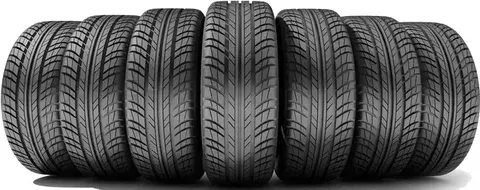
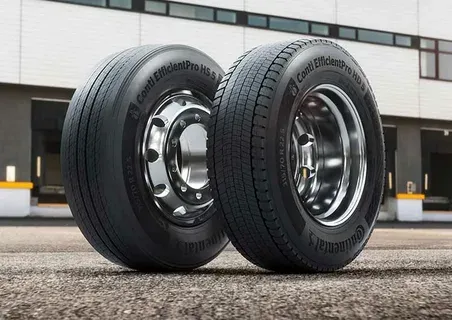
Choosing tyres is never an easy task. Lancashire and West Yorkshire drivers may have to deal with motorways, city traffic that stops and starts, and country B-roads with bumpy surfaces and sharp turns. A bad decision could affect how far you have to stop, how much petrol your automobile uses, and its health. This blog simplifies tyre selection, maintenance, and replacement for informed customers.
Why Tyre Quality Matters
The market for tyres is large, and not all products work the same way. The cheaper options may appear nice at first glance, but generally perform less well in wet braking tests and in the durability of sidewalls. Mid-range and premium tyres Sowerby cost more to buy at the outset, but their compound quality and the way they retain tread depth tend to make them worth the expense over their whole service life. Independent tyre testing authorities such as TÜV and ADAC typically provide performance information on wet grip, rolling resistance, and aquaplaning resistance across tyre categories. Drivers who review these tests before buying make choices based on proof of performance, not marketing claims.
Understanding Tyre Ratings and Markings
All tyres have sidewall codes, but few drivers learn to read them. Knowing the code lets you replace it correctly.
Reading the Sidewall
A standard marking like 205/55 R16 91V will tell you the following:
- 205 - the section width in millimetres
- 55 - the aspect ratio, which is the tyre's height as a percentage of its width
- R - radial construction
- 16 - the rim diameter in inches
- 91 - the load index, indicating maximum weight capacity per tyre
- V - the speed rating, here allowing up to 240 km/h
If you fit a tyre with the wrong load index or speed rating, it would be a compliance issue that could invalidate insurance protection in the event of an accident.
EU Tyre Label Explained
Tyres sold in the UK and EU have carried a standard marking assessing them in three areas – fuel efficiency, wet grip and exterior rolling noise – since 2012. Grades are A-E. A tyre rated A for wet grip could have a tremendous effect on your stopping distances compared with one rated C or D, which is a major consideration when driving on wet northern roads.
Seasonal Considerations for Northern Roads
There are specific issues with the weather patterns in Lancashire and West Yorkshire. The winter months bring frost and standing water. And the rare snow. Summer roads heat the asphalt and demand different compound properties.
All-Season vs Dedicated Winter Tyres
All-season tyres are becoming increasingly popular in the UK. They function effectively in moderate winter conditions and eliminate the need for a second pair. But dedicated winter tyres – marked with the Three-Peak Mountain Snowflake (3PMSF) symbol – are better on ice and snow at temperatures below 7°C, using a softer material that remains flexible where summer rubber cannot. Cold winter climates offer high-mileage drivers more advantage from seasonal switching. Most likely to be able to use all-seasons are individuals who drive fewer miles in less severe winters.
When to Replace Tyres
The middle three-quarters of tyres must have a tread depth of 1.6 mm in the UK. Driving on low-quality tyres can cost you £2,500 and three points. Tyre safety groups advise replacing them before 3 mm because wet braking performance diminishes significantly. Age is just as significant as wear. But even low-mileage vehicles will see rubber degradation over time. Tyres older than five years should be checked routinely by a competent expert. Most manufacturers require a total replacement at 10 years of age, regardless of its condition.
Choosing a Reliable Fitting Service
The quality of fitting is as critical to tyre performance as the product itself. If done incorrectly, it can create vibrations that cause suspension components to wear out prematurely. Poor alignment after fitting can lead to non-uniform wear patterns and drastically reduce the life of the tyre. It is easy to evaluate local garages based on the quality of their equipment, the experience of their staff and whether they offer post-fit testing such as TPMS recalibration and monitoring alignment if you are looking for car tyres Preston. Similarly, if you are looking for tyres, make sure the fitting facility has calibrated torque equipment and carries out a visual check of the rims before mounting, especially older alloys that are prone to corrosion.
Tyre Pressure and Routine Checks
Avoiding incorrect tyre pressure and wear is easy. Under-inflation increases rolling resistance, fuel consumption, and tyre edge erosion; too much air causes poor road performance. Check tyre pressure monthly and before long trips, especially when chilly. Instead of the maximum pressure on the sidewall of tyres, the vehicle handbook or driver's door frame lists the correct figure.
Conclusion
Tyre choice affects safety, costs, and regulations. The correct choice depends on the car, driving style, and road conditions. Investing in quality goods and expert fitting services pays off during the life of the tyre. Drivers in the North of England are also being encouraged to develop a simple habit of checking their tyre pressure weekly and visually inspecting their tyres for damage. Properly maintained tyres will perform at their maximum rated capability throughout their expected life, providing safe rides and predictable costs.




























Sign in to leave a comment.