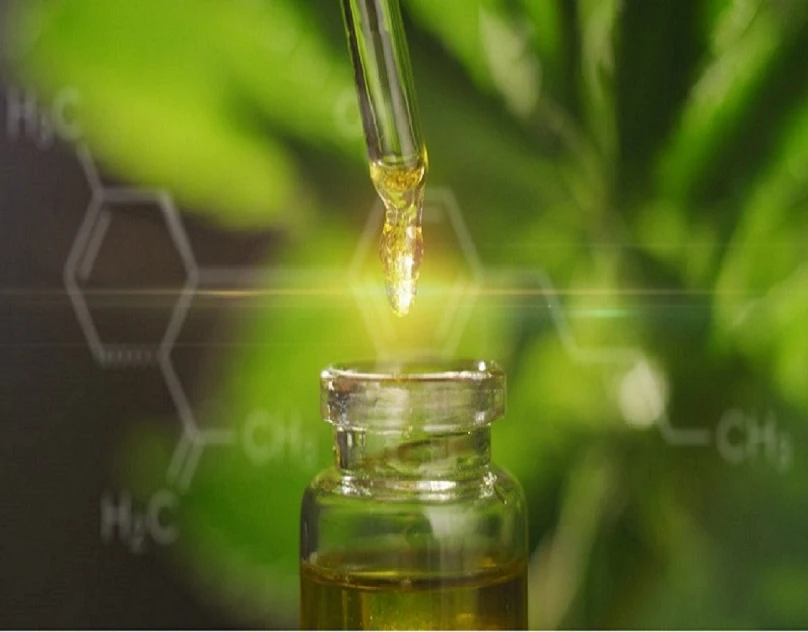

Ethanol extraction is one of the most commonly used methods in industries such as pharmaceuticals, food production, and cannabis processing. It is prized for its versatility, safety, and effectiveness. However, like any extraction process, there is always room for improvement to enhance efficiency, sustainability, and the quality of the final product. This article explores various strategies and considerations to achieve results in better ethanol extraction.
Understanding Ethanol Extraction
Ethanol, a simple alcohol, is a polar solvent capable of dissolving a wide range of compounds. This makes it an excellent choice for extracting bioactive compounds from plants and other raw materials. During the process, ethanol interacts with the raw material to pull out desired components, leaving behind unwanted matter. The extracted solution is then processed further to isolate and purify the target compounds.
While the process sounds straightforward, achieving optimal results requires careful consideration of several factors, including the quality of the raw material, the extraction parameters, and the post-extraction processing steps.
Choosing the Right Ethanol
The quality and type of ethanol used can significantly influence the extraction results. Food-grade ethanol is generally recommended for applications involving consumable products. Depending on the intended use, ethanol may also need to meet specific purity standards to avoid contaminating the final product with impurities. Additionally, the water content in ethanol (e.g., 95% ethanol versus absolute ethanol) can affect its polarity and, consequently, its extraction efficiency.
For instance, a higher water content in ethanol can enhance its ability to extract polar compounds, while pure ethanol might be better for targeting non-polar compounds. Adjusting the ethanol composition based on the specific compounds being extracted is a critical step in achieving better ethanol extraction outcomes.
Temperature Control
Temperature plays a pivotal role in ethanol extraction. Lower temperatures are often preferred because they reduce the co-extraction of unwanted compounds such as chlorophyll and waxes. Cold ethanol extraction, typically performed at temperatures below -40°C, is particularly effective in minimizing impurities and improving the overall quality of the extract.
However, ultra-low temperatures can also slow down the extraction process, so a balance must be struck between efficiency and product purity. Employing advanced cooling systems and monitoring temperature closely can help maintain optimal conditions throughout the extraction process.
Particle Size and Surface Area
The size and preparation of the raw material being extracted are crucial factors. Smaller particle sizes increase the surface area exposed to ethanol, allowing for more efficient extraction. However, excessively fine particles can create challenges such as clogging filtration systems or introducing unwanted particulates into the extract.
Pre-treatment processes such as grinding or milling the raw material to an appropriate size, followed by sieving to ensure uniformity, can significantly improve extraction efficiency. Careful handling is essential to avoid damaging delicate compounds during preparation.
Maximizing Contact Time
Contact time between ethanol and the raw material is another critical variable. Insufficient contact time can result in incomplete extraction, while excessive contact can lead to the extraction of undesirable compounds. Optimizing this parameter often involves conducting small-scale trials to determine the ideal duration for a specific material.
In continuous or automated systems, ensuring uniform mixing and agitation can enhance contact efficiency. Batch processes, on the other hand, may require careful timing and manual intervention to achieve optimal results.
Filtration and Separation
After extraction, the mixture typically undergoes filtration to separate the ethanol solution from the solid residues. This step is vital for maintaining product quality and preparing the solution for further processing. Choosing the right filtration method, whether it’s vacuum filtration, centrifugation, or membrane filtration, depends on the specific needs of the application.
Efficient filtration minimizes the risk of clogging and contamination while ensuring that the extract remains clear and free from unwanted particulates. Advanced filtration technologies, such as depth filters or high-capacity filter presses, can handle large volumes of extract efficiently.
Post-Extraction Purification
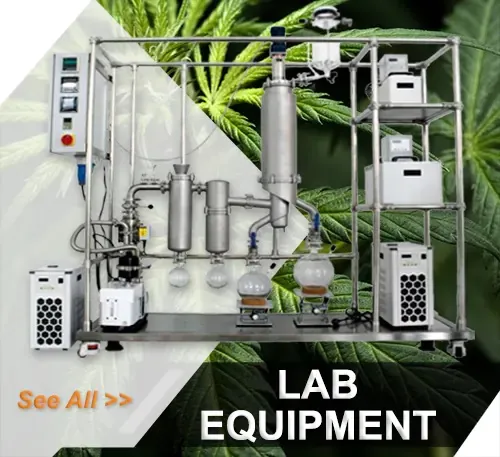
Once the target compounds are extracted, further purification steps are often required to isolate them from the ethanol and other co-extracted substances. Methods such as distillation, evaporation, or crystallization are commonly used to recover ethanol and refine the extract. These steps should be optimized to minimize energy consumption and maximize yield.
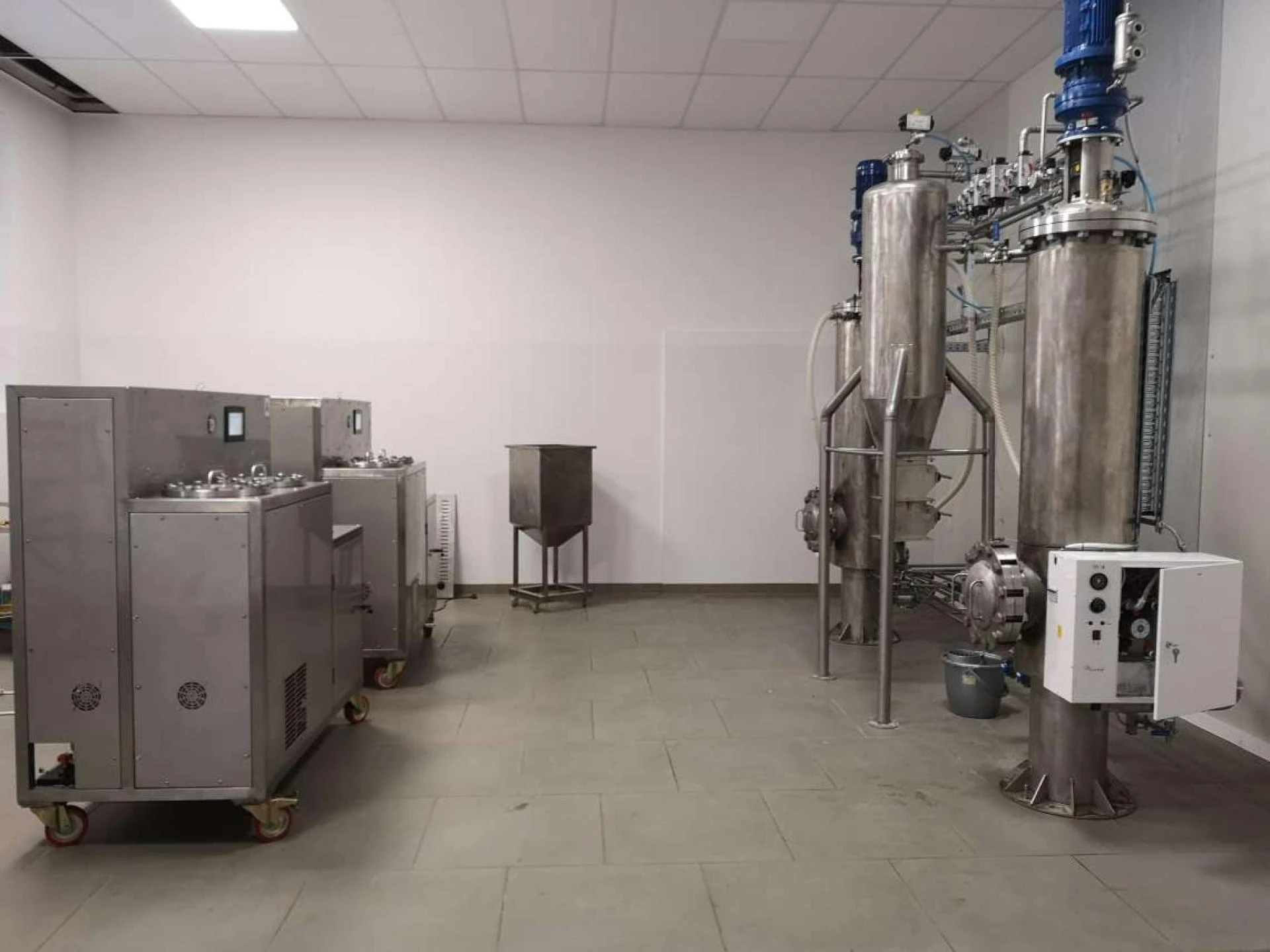
For instance, rotary evaporators or falling-film evaporators are efficient tools for recovering ethanol while maintaining the integrity of heat-sensitive compounds. Incorporating energy-efficient systems and recycling ethanol can also reduce costs and environmental impact.
Enhancing Sustainability
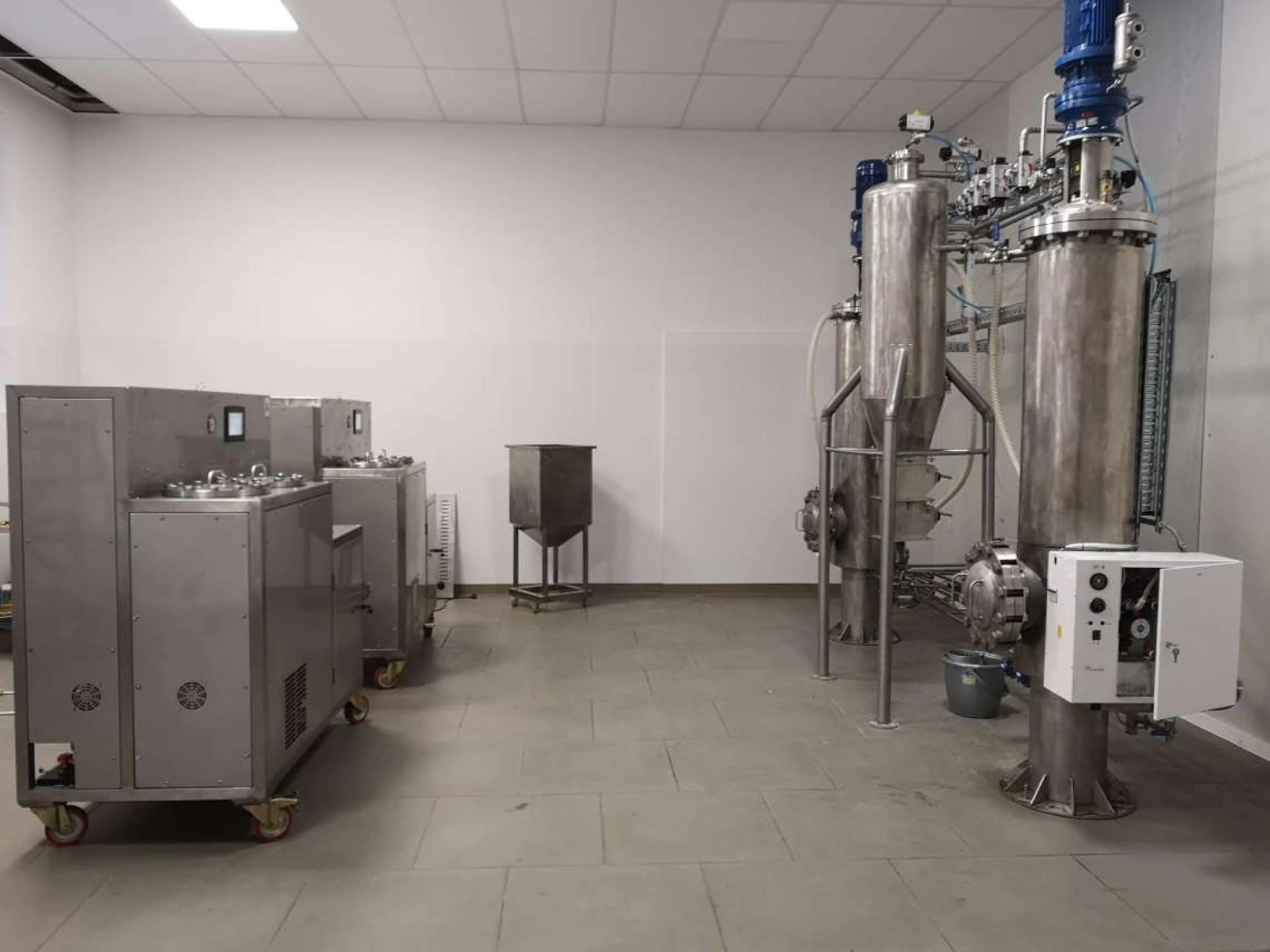
Sustainability is a growing concern in ethanol extraction processes. Steps can be taken to reduce waste, minimize energy use, and recycle ethanol. Closed-loop extraction systems, for example, allow for the recovery and reuse of ethanol, significantly reducing operational costs and environmental footprint.
Using renewable energy sources to power extraction systems and exploring alternative cooling methods are additional ways to enhance sustainability. Additionally, waste byproducts from the extraction process can sometimes be repurposed for other applications, further reducing overall waste.
Ensuring Quality Control
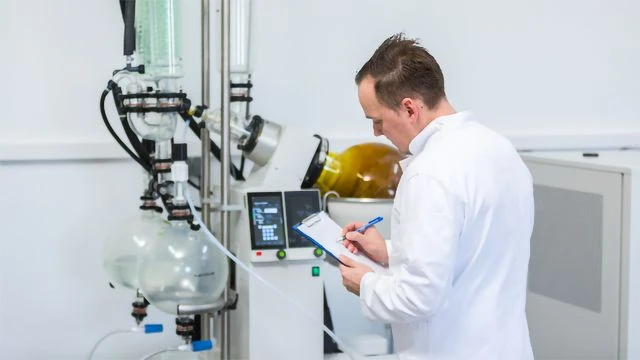
Maintaining consistent quality in ethanol extraction requires rigorous quality control measures. Regular testing of raw materials, ethanol purity, and final extracts ensures that the process meets desired standards. Advanced analytical techniques such as high-performance liquid chromatography (HPLC) or gas chromatography (GC) can provide detailed insights into the composition of the extract.
Standard operating procedures (SOPs) and thorough documentation of each step in the extraction process are essential for maintaining reproducibility and compliance with industry regulations. Training personnel to adhere to these protocols further ensures the reliability of the extraction process.
Innovations in Ethanol Extraction
The field of ethanol extraction is continually evolving, with new technologies and methods emerging to address existing challenges. Some of the latest innovations include:
- Cryo-Ethanol Extraction: Using cryogenic temperatures to improve selectivity and reduce the need for post-extraction purification.
- Ultrasound-Assisted Extraction (UAE): Applying ultrasonic waves to enhance the efficiency and speed of ethanol extraction.
- Continuous Flow Extraction Systems: Automating the extraction process to increase throughput and reduce manual labor.
These advancements are helping industries achieve higher efficiency and better product quality while minimizing costs and environmental impact.
Safety Considerations
Safety should never be overlooked in ethanol extraction. Ethanol is flammable, and its vapors can form explosive mixtures with air. Proper ventilation, explosion-proof equipment, and strict adherence to safety protocols are essential for preventing accidents.
Personnel should be trained in the safe handling of ethanol and emergency response procedures. Regular safety audits and maintenance of equipment further ensure a safe working environment.
The Future of Ethanol Extraction
As industries continue to demand high-quality extracts, the focus on improving ethanol extraction methods will only intensify. Research and development efforts are likely to yield even more efficient and sustainable processes in the years to come. Collaboration between scientists, engineers, and industry professionals will play a pivotal role in driving these advancements.
By prioritizing factors such as ethanol quality, temperature control, particle size optimization, and sustainability, it is possible to achieve better ethanol extraction results. Whether for small-scale artisanal operations or large industrial applications, continuous improvement in extraction practices will benefit both producers and consumers alike.
Ethanol extraction remains a cornerstone technique in many industries, offering a reliable and effective way to obtain valuable compounds from natural sources. By focusing on optimization and innovation, businesses can enhance efficiency, reduce costs, and meet the growing demand for high-quality extracts. As technology evolves, the potential for even more sustainable and precise ethanol extraction methods will undoubtedly expand, setting new benchmarks for the industry.



























Sign in to leave a comment.