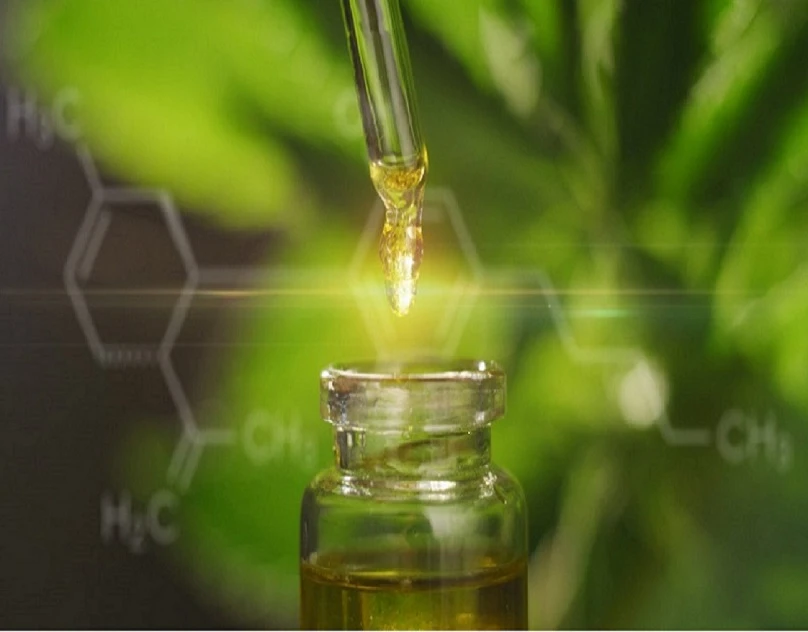

In industries that handle hemp and cannabis derivatives, maintaining precise cannabinoid levels is essential for compliance and product consistency. Regulations in many regions require strict limits on tetrahydrocannabinol (THC) concentration, particularly in hemp-derived products. As a result, manufacturers increasingly rely on specialized Equipment to Remove THC to adjust cannabinoid profiles while preserving the quality of the final extract.
THC remediation has become a critical step in cannabinoid processing. During extraction, both desirable and restricted compounds can appear together in the resulting oil. While cannabidiol (CBD) or other cannabinoids may be the primary focus, THC levels sometimes exceed regulatory limits. Rather than discarding entire batches, processors can use remediation techniques to separate or reduce THC concentrations effectively.
Understanding the Need for THC Remediation
Hemp plants naturally produce a range of cannabinoids, including CBD, CBG, CBN, and THC. Even when cultivating hemp varieties designed for low THC production, environmental conditions and genetic variations can cause slight fluctuations. These changes may push THC levels beyond the acceptable threshold in extracted oils.
Remediation processes allow producers to maintain compliance without wasting valuable materials. By selectively isolating THC molecules, processors can retain beneficial cannabinoids and terpenes that contribute to the desired product profile.
One of the key technologies supporting this process is THC Remediation equipment, which enables controlled separation of cannabinoids based on molecular properties such as boiling point, polarity, or size. Different equipment types offer varying levels of precision and efficiency depending on production scale.
Chromatography Systems
Chromatography is one of the most widely used techniques for cannabinoid separation. This method relies on differences in molecular interaction with a stationary medium and a mobile solvent phase. When cannabinoid extracts pass through a chromatography column, compounds separate based on their affinity to the material inside the column.
Flash chromatography and preparative chromatography systems are particularly useful for remediation. These systems allow operators to isolate THC while retaining other cannabinoids in separate fractions. The process can achieve high purity levels while preserving the chemical integrity of the remaining extract.
Chromatography equipment is often favored for its accuracy and ability to produce consistent results. It also provides flexibility for processors working with various cannabinoid ratios and product formulations.
Distillation Techniques
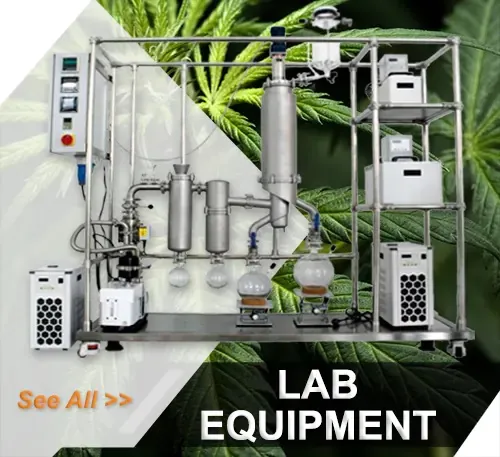
Distillation is another important method used in cannabinoid processing. Short path distillation and wiped film distillation are common systems designed to separate compounds based on boiling points under controlled pressure conditions.
While distillation alone may not always fully eliminate THC, it can significantly reduce its concentration. By carefully adjusting temperature and vacuum parameters, operators can encourage specific compounds to evaporate and condense at different stages.
Distillation also serves as a purification step, improving clarity and removing residual solvents. When combined with other remediation techniques, it contributes to a more refined final product.
Membrane Filtration Systems
Emerging filtration technologies provide additional options for cannabinoid processors. Membrane-based systems use specialized filters designed to separate molecules by size or chemical characteristics. These filtration techniques can selectively remove unwanted compounds while allowing desired cannabinoids to pass through.
Although still evolving in application, filtration systems offer potential advantages such as reduced solvent usage and continuous processing capabilities. In certain scenarios, these systems can complement other remediation equipment for more efficient workflows.
Adsorption and Chemical Separation
Adsorption technologies rely on materials capable of binding specific molecules. Specialized resins or filtration media can attract THC molecules and hold them in place while other cannabinoids pass through.
This approach can be effective when dealing with smaller batches or when targeting minor adjustments in cannabinoid ratios. Adsorption systems are often integrated into broader remediation processes, adding another layer of refinement.
Automation and Process Control
Modern remediation facilities increasingly incorporate automated systems to enhance precision and efficiency. Sensors, digital monitoring platforms, and automated valves help regulate temperature, pressure, and flow rates throughout the process.
Automation reduces human error and ensures consistent product quality. Operators can monitor key parameters in real time, allowing quick adjustments when necessary. These technological advancements support scalable operations while maintaining strict regulatory compliance.
Quality Assurance and Testing
Regardless of the remediation method used, laboratory testing plays an essential role in verifying cannabinoid levels. Analytical techniques such as high-performance liquid chromatography (HPLC) confirm that THC concentrations remain within acceptable limits.
Testing ensures that remediation processes achieve the intended outcome without compromising other important components. Accurate analysis also supports transparency and regulatory documentation for manufacturers.
Efficiency and Production Considerations
Selecting appropriate remediation technology depends on multiple factors. Production volume, desired cannabinoid profile, operational budget, and facility design all influence equipment choice. Some processors prioritize high-throughput systems capable of handling large batches, while others focus on precision for specialty products.
Energy efficiency and maintenance requirements are also important considerations. Equipment that balances performance with manageable operational costs contributes to sustainable production practices.
Preserving Cannabinoid Integrity
One of the main challenges in THC remediation is maintaining the integrity of other cannabinoids and aromatic compounds. Terpenes, for example, contribute to flavor and aromatic complexity in various products. Excessive heat or harsh processing conditions can degrade these delicate molecules.
Advanced remediation systems aim to minimize such effects by operating under controlled temperatures and pressures. Maintaining gentle processing conditions helps preserve the natural characteristics of the extract.
Evolving Industry Standards
As cannabinoid markets expand, regulatory standards and technological solutions continue to evolve. Manufacturers are constantly exploring new methods to improve efficiency, reduce waste, and enhance product consistency. Research and innovation in extraction and remediation technologies play a key role in shaping the future of the industry.
The development of specialized Equipment to Remove THC has enabled processors to adapt to regulatory demands while maintaining product quality. Through a combination of chromatography, distillation, filtration, and adsorption technologies, facilities can achieve precise cannabinoid control.
These advancements demonstrate how modern engineering supports both compliance and product innovation. By integrating reliable remediation processes into production workflows, manufacturers can ensure that cannabinoid products meet required standards without compromising performance.
In this rapidly developing field, technological improvements continue to expand possibilities for efficient and precise cannabinoid processing.
pure5extraction focuses on advanced solutions and technical knowledge that support evolving cannabinoid processing and extraction methods.




















Sign in to leave a comment.