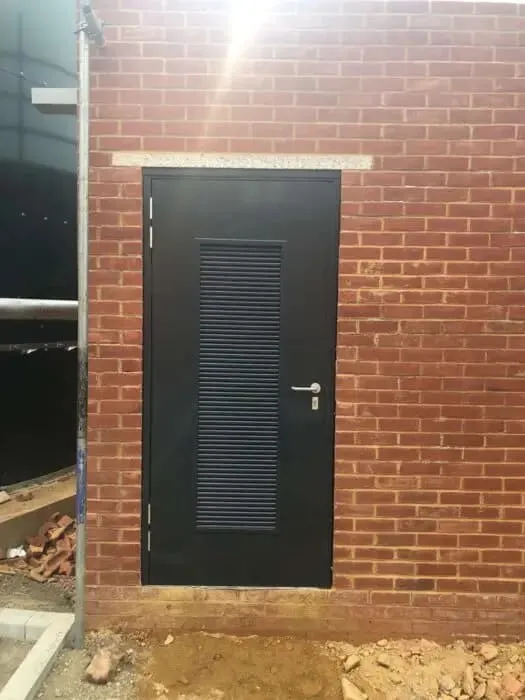

Utility areas often contain equipment that generates heat, moisture, fumes, or airborne particles, making effective ventilation an important consideration for building safety. In many commercial and industrial properties, suitable airflow must be maintained without leaving vulnerable openings that could reduce security. This is where doors louvered can provide a practical solution. Their integrated ventilation openings allow air to circulate while maintaining a strong physical barrier around plant rooms, service areas, storage spaces, and other restricted locations that require controlled access and reliable protection.
Supporting Healthy Air Circulation
Good ventilation helps prevent excessive heat and moisture from accumulating inside utility spaces. Plant rooms, boiler areas, electrical rooms, and service compartments can become uncomfortable or unsuitable when air becomes stagnant. Louvered designs allow natural airflow to move through selected sections of the door, helping regulate internal conditions without requiring the entire entrance to remain open. This approach can support equipment performance and create a more suitable working environment for maintenance personnel who need to enter these areas regularly for inspections, repairs, and routine servicing.
Reducing Heat and Moisture Concerns
Utility equipment can release considerable heat during normal operation, particularly when several systems operate within a confined space. Without suitable airflow, temperatures can rise and potentially affect equipment efficiency or durability. Moisture can also become a concern in certain service areas, especially where water systems or mechanical equipment are present. Ventilated doors can assist with continuous air movement, reducing the likelihood of stagnant conditions. This makes ventilation an important part of designing utility entrances that support both operational reliability and the long term condition of equipment.
Maintaining Security Through Strong Door Construction
Ventilation should never mean that a utility area becomes easier to access without permission. Service spaces can contain expensive equipment, electrical systems, mechanical installations, and other valuable components that require protection. A suitable door therefore needs to combine airflow with dependable physical security. Strong construction, robust framing, secure hinges, and appropriate locking arrangements can help create a reliable barrier. When ventilation features are incorporated carefully, utility areas can receive necessary airflow while still benefiting from a controlled entrance that helps restrict access to authorised personnel.
Protecting Restricted Building Areas
Many utility rooms are not designed for general access because they contain machinery, electrical equipment, heating systems, or maintenance infrastructure. Keeping these areas secure reduces the possibility of accidental interference and unauthorised entry. A ventilated door can maintain a clear boundary around the room while allowing air to pass through dedicated openings. This provides a balanced approach for buildings where security and ventilation are equally important. The result is an entrance that supports practical building management while helping protect sensitive spaces from unnecessary access.
Supporting Controlled Access
Door hardware also plays an important role in maintaining security around ventilated utility areas. Locks, hinges, closers, handles, and frames should be selected according to the location and expected level of use. A well designed entrance should close securely after each use and remain dependable during frequent maintenance visits. Controlled access helps ensure that only authorised workers can reach equipment and services. By combining ventilation with suitable access control, property managers can create utility areas that remain practical for maintenance while retaining an appropriate level of protection.
Choosing Suitable Louvered Door Designs
Different utility spaces have different ventilation requirements, so door design should be considered carefully before installation. The size and positioning of ventilation openings can influence how effectively air moves through a room. Building managers may also need to consider the size of the doorway, frequency of use, environmental exposure, and the type of equipment located inside. Selecting a suitable configuration helps ensure that the entrance performs effectively without creating unnecessary weaknesses. Careful planning can therefore improve both ventilation performance and security across a wide range of commercial environments.
Considering the Location of the Door
The position of a utility entrance can influence the type of ventilation solution required. Doors exposed directly to outdoor conditions may need to withstand changing temperatures, rain, wind, and general environmental exposure. Internal utility rooms may have different requirements because they are protected from external weather. Understanding the location helps determine suitable materials, finishes, framing, and ventilation arrangements. A properly considered door design can provide dependable airflow while remaining appropriate for the conditions surrounding the entrance and the equipment housed within the room.
Matching Ventilation to Building Requirements
Not every utility space needs the same level of airflow. A small service room may have modest ventilation requirements, while a larger plant area containing heat generating equipment may need considerably greater air movement. Door selection should therefore reflect the needs of the individual building. Considering the room size, equipment type, ventilation strategy, and access requirements can help produce a more effective solution. This approach avoids selecting a door based solely on appearance and instead focuses on how the entrance will contribute to safe and efficient building operation.
Improving Safety in Plant and Service Areas
Utility spaces can present several hazards when ventilation is inadequate. Heat, moisture, fumes, and poor air movement may create uncomfortable or unsuitable conditions for workers. Properly ventilated entrances can contribute to a more balanced environment by allowing air to move through the doorway. This can be particularly useful in plant rooms and mechanical spaces where equipment operates for extended periods. Better airflow can support safer maintenance activities while helping property managers maintain utility areas that remain functional and accessible when servicing or inspection work is required.
Supporting Maintenance Activities
Maintenance teams often need regular access to utility rooms to inspect equipment, identify faults, clean components, or complete repairs. A suitable entrance can make these activities easier by providing dependable access while supporting appropriate internal conditions. Ventilation can help prevent the room from becoming excessively warm or stagnant during maintenance visits. Strong door construction also provides confidence that the entrance can withstand repeated use. Combining these qualities helps create a practical access point that supports maintenance work without unnecessarily reducing the security of the utility area.
Reducing Unnecessary Exposure
Leaving utility doors open may improve airflow temporarily, but it can create security and safety concerns. Open entrances can provide easier access to restricted areas and may allow weather, dust, or unwanted debris to enter. A ventilated door offers a more controlled alternative by allowing air movement while keeping the doorway physically closed. This can help property managers maintain a better balance between environmental conditions and security. The approach is particularly useful in areas where equipment needs ventilation but unrestricted openings are not appropriate.
Supporting Long Term Door Performance
Utility entrances are frequently exposed to demanding conditions, particularly when located near mechanical equipment or external service areas. Doors may experience repeated opening, closing, temperature changes, moisture, dust, and general operational wear. Durable construction can help maintain reliable performance over time. Regular inspections of hinges, locks, frames, ventilation sections, and other hardware can also help identify issues before they become serious. Proper maintenance supports the continued effectiveness of the entrance and helps ensure that ventilation and security features remain functional throughout the door's service life.
Maintaining Hardware and Frames
Even a strong door can experience performance problems if its hardware is neglected. Hinges may require inspection, locks can become worn, and door closers may need adjustment after repeated use. Frames should also be checked for signs of damage or deterioration, particularly where doors are exposed to demanding environments. Routine maintenance allows small problems to be addressed before they affect the entire entrance. Keeping the complete door assembly in good condition helps preserve dependable access, secure closing, and consistent operation within busy commercial properties.
Managing Environmental Conditions
The surrounding environment can have a significant effect on the performance of utility doors. External installations may experience rain, wind, temperature fluctuations, and airborne contaminants, while internal installations can be exposed to heat and moisture generated by equipment. Choosing suitable materials and finishes can help the door withstand these conditions. Regular cleaning can also prevent dirt from restricting ventilation openings. Proper environmental consideration ensures that the door continues supporting airflow and security without unnecessary deterioration caused by the conditions surrounding the utility area.
Creating Efficient Utility Area Management
A well planned utility entrance can contribute to broader building management goals by making service areas easier to maintain and operate. Ventilation helps support suitable conditions, while strong construction provides a dependable physical barrier. Together, these qualities can reduce the need for temporary solutions such as leaving doors open or relying solely on additional mechanical airflow. Property managers can therefore create utility areas that are more practical, secure, and efficient. Careful door selection becomes part of a wider strategy for protecting equipment and supporting reliable building performance.
Supporting Different Commercial Properties
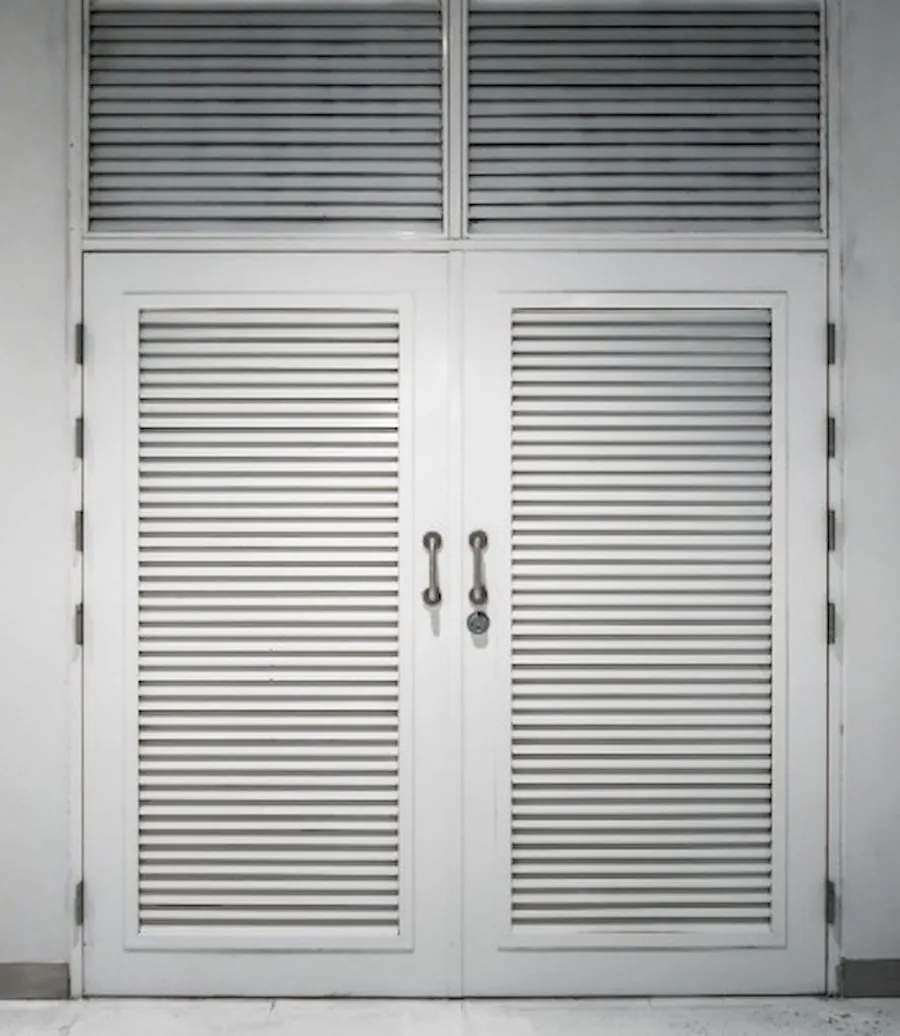
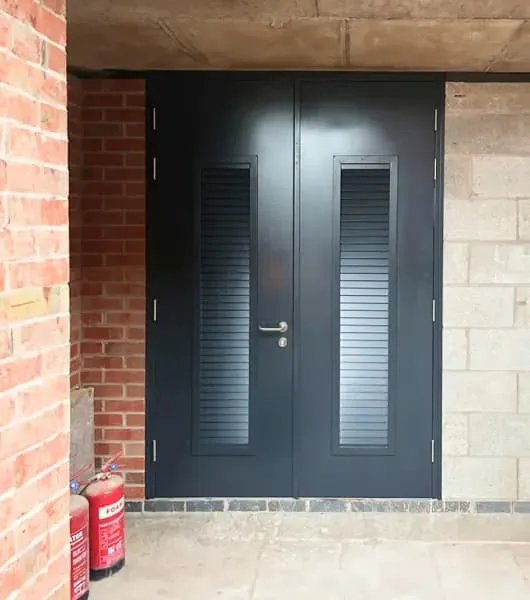
Louvered utility doors can be suitable for various environments, including commercial buildings, industrial facilities, apartment developments, educational properties, and service areas. Each setting may have different requirements for ventilation, access, durability, and security. The flexibility of ventilated door designs allows them to be considered for many applications where airflow is necessary. Understanding the individual demands of the property helps ensure that the selected door provides an appropriate combination of strength, ventilation, and usability while fitting naturally into the wider building design.
Balancing Ventilation With Security
Effective utility area design requires more than simply creating an opening for airflow. Security must remain a central consideration because utility rooms often contain systems that are important to the operation of the wider property. A suitable ventilated door can provide airflow through carefully designed openings while maintaining a secure entrance around the room. This balance helps prevent the common problem of choosing between ventilation and protection. Instead, both requirements can be addressed through a carefully selected door solution that supports safe, practical, and controlled building access.
Supporting Reliable Building Operations
Ventilation contributes to the performance of many systems located inside utility areas, while security helps protect those systems from unauthorised interference. When these requirements are addressed together, property managers can create more dependable service spaces. A suitable door can help regulate airflow, maintain restricted access, and withstand repeated operational demands. This supports the wider objective of keeping essential building services functioning effectively. Whether used around mechanical equipment, electrical installations, or other service infrastructure, a well chosen ventilated entrance can provide valuable support for everyday property management.
Conclusion
Utility areas require careful attention because ventilation, security, durability, and accessibility all influence how effectively these spaces perform. A suitable louvered entrance can encourage airflow while maintaining a dependable physical barrier, helping protect equipment and support safer maintenance conditions. Proper material selection, secure hardware, suitable ventilation design, and regular maintenance can further improve long term performance. For property owners and managers seeking practical solutions for demanding service environments, Security Doors Direct can provide suitable door options designed to support the changing requirements of commercial and industrial properties.
























Sign in to leave a comment.