

When you manage a busy warehouse, efficient storage can have a direct effect on productivity, safety and everyday workflow. With the right pallet racking arrangement, you can organise stock more effectively while making better use of available floor and vertical space. A suitable storage solution should reflect your product dimensions, inventory volumes, handling equipment and movement patterns. Instead of treating storage as simply a place to keep goods, you can use it as an important part of your overall warehouse strategy. Careful planning can help you create an organised environment that supports reliable operations and future business growth.
Assessing Your Current Storage Needs
Before introducing or changing a storage arrangement, you should assess how your warehouse currently operates. Look at the amount of stock being held, the frequency of product movement and the available space for storage. You should also consider pallet dimensions, product weights and the equipment used for loading and retrieval. Understanding these factors can help you determine what type of arrangement will work best. A careful assessment can prevent wasted space and reduce operational difficulties. It also gives you a clearer picture of how your storage requirements may change as inventory levels and business activities develop.
Maximising Available Warehouse Space
Warehouse space can become increasingly valuable as stock levels rise and businesses require additional capacity. You can make better use of available floor space by carefully planning storage positions, aisle widths and vertical capacity. The building's height can provide opportunities to store products on multiple levels where suitable conditions exist. However, increasing storage density should not make access difficult or create unsafe working conditions. You should balance capacity with accessibility and movement requirements. A well planned layout can help you store more products while keeping essential routes clear and allowing employees to work efficiently throughout the warehouse.
Making Better Use of Vertical Space
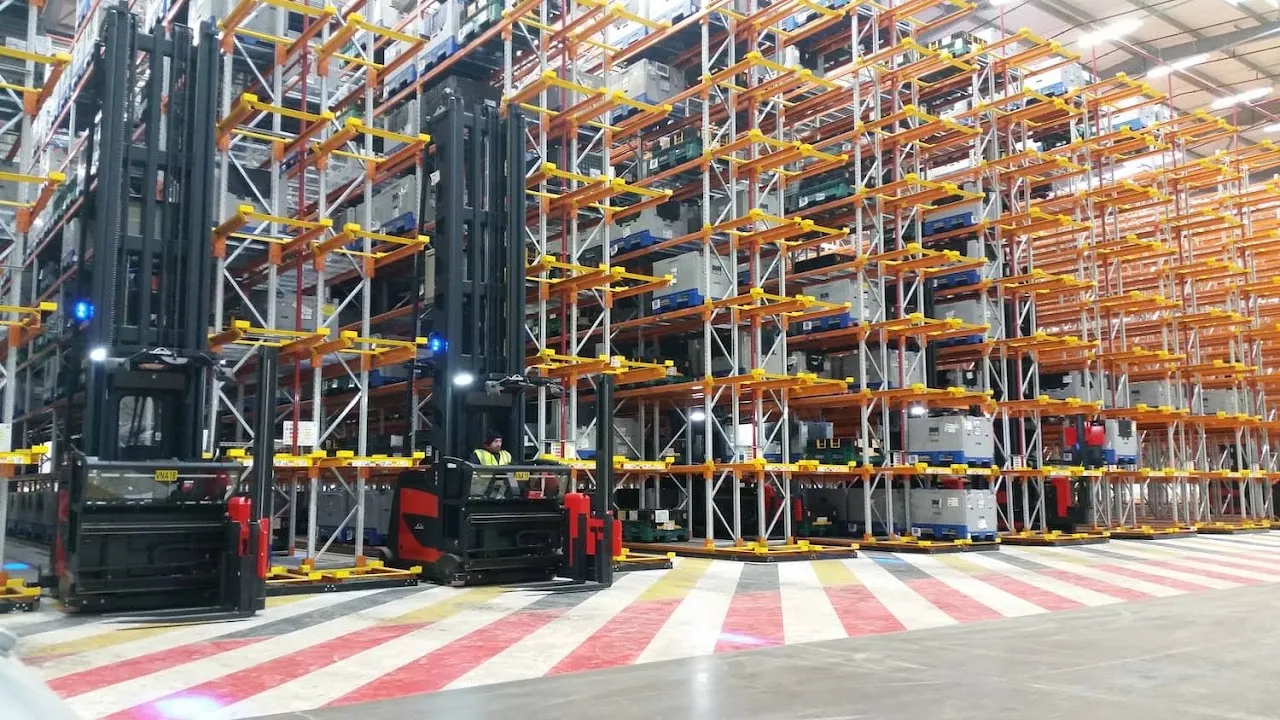
Unused vertical space can represent a significant opportunity within many warehouses. You can use suitable storage structures to take advantage of available height while keeping the floor area available for movement and other activities. Before doing this, you should assess building conditions, ceiling height and handling equipment capabilities. Products must remain accessible at the required levels, and the structure must be suitable for the intended loads. When vertical capacity is planned properly, you can increase storage potential without automatically requiring additional premises. This can make existing warehouse space more productive and support future capacity requirements.
Improving Warehouse Organisation
An organised warehouse allows you to locate products more easily and maintain smoother movement throughout the facility. Storage locations should be arranged according to product type, demand, dimensions and handling requirements where appropriate. You can create clearly defined areas for incoming goods, stored inventory, picking and dispatch. Clear identification can further improve visibility and reduce the time spent searching for stock. A logical arrangement can also help new employees understand warehouse procedures more quickly. By creating a structured environment, you can improve daily operations and reduce unnecessary movement that could otherwise affect productivity.
Creating Logical Storage Zones
Different products may require different storage arrangements depending on their characteristics and movement frequency. You should consider whether frequently requested products need to be positioned closer to picking or dispatch areas. Slower moving inventory may be suitable for locations that are accessed less often. You should also separate products where specific handling requirements apply. Clearly defined zones can reduce confusion and make stock easier to locate. Reviewing these areas regularly is useful because demand can change over time. Adjusting storage locations according to current requirements can help maintain efficiency as your warehouse activity develops.
Supporting Faster Picking Operations
Picking is often one of the most important activities within a warehouse because delays can affect order completion and customer service. You can improve picking efficiency by positioning frequently requested products where they are easy to access. Storage locations should be clearly identified so employees can find products without unnecessary searching. The arrangement should also support suitable movement routes for forklifts, pallet trucks and pedestrians. By reducing unnecessary travel between locations, you can help employees complete picking tasks more efficiently. A well organised storage environment can therefore contribute to faster order preparation and smoother warehouse performance.
Reducing Unnecessary Product Movement
Every additional movement can consume valuable time and increase the possibility of product damage. You should review how goods travel from receiving through storage and eventually to picking or dispatch. Storage positions should support a logical flow rather than forcing employees and equipment to travel unnecessarily long distances. Frequently handled products can be placed in convenient locations where appropriate. You should also ensure that aisles remain clear and accessible. Reducing unnecessary movement can improve productivity while making daily activities easier for employees. It can also contribute to lower equipment usage and better overall warehouse coordination.
Supporting Inventory Management
Good inventory management depends on knowing what stock is available and where it is located. An organised storage arrangement can make physical stock easier to identify and monitor. You should use clear location references and consistent labelling so employees can quickly determine where products belong. Inventory records should correspond with actual storage positions to reduce discrepancies. Regular stock checks can help identify errors and highlight products that are moving slowly. When physical storage and inventory management work together, you can make better decisions about replenishment, purchasing and space allocation while reducing avoidable delays during daily warehouse operations.
Improving Stock Visibility
Stock visibility can become challenging when warehouses hold large quantities of similar products. You should ensure that storage positions are clearly marked and that products are placed in their designated locations. Employees should understand the identification system used throughout the warehouse. Consistent procedures can reduce the likelihood of stock being placed incorrectly. You can also review storage areas regularly to identify products that have remained in the same location for extended periods. Better visibility can help you understand actual inventory levels and improve decisions about stock rotation, replenishment and future storage requirements.
Improving Workplace Safety
Warehouse safety should remain a priority when planning storage arrangements. You should consider employee movement, handling equipment, storage heights, load capacities and emergency access before finalising the layout. Aisles should provide sufficient room for the equipment being used, while pedestrian routes should remain clearly defined. Products should be stored securely and within appropriate load limits. Employees should also understand correct loading, unloading and handling procedures. A safe storage environment can reduce avoidable risks while supporting efficient operations. Combining good design with appropriate workplace practices can create a more controlled and reliable warehouse.
Maintaining Clear Aisles
Clear aisles are essential for both safety and productivity. You should ensure that pallets, packaging materials and equipment are not left in areas intended for movement. Storage positions should not extend into designated routes or create unnecessary obstructions. Regular housekeeping can help maintain the original layout and prevent congestion from developing. You should also review whether aisle widths remain appropriate when handling equipment changes. Keeping access routes clear allows employees and vehicles to move more predictably. This can reduce delays and help create a safer environment where warehouse activities can continue efficiently.
Protecting Stored Products
Effective storage should protect products as well as employees. Incorrect pallet placement, damaged pallets or unsuitable loading practices can increase the possibility of goods becoming unstable or damaged. You should check that pallets are suitable for their intended storage positions and that employees understand correct placement procedures. Product dimensions should also be considered to prevent unnecessary protrusion into aisles. Regular checks can help identify damaged packaging or storage concerns. Protecting inventory can reduce financial losses and improve customer satisfaction. It can also minimise additional handling caused by damaged or incorrectly stored products.
Preventing Overloading
Storage structures have specific capacity requirements that should be understood before products are placed on them. You should know the permitted load for each storage level and ensure that employees understand these limits. Changes in product weights should be reviewed before storage practices are altered. Heavy items may require different positions from lighter goods depending on the configuration. Consistent monitoring can help prevent accidental overloading. You should also ensure that load information remains visible and understandable. Careful load management can protect the storage structure while supporting a safer and more dependable warehouse environment.
Choosing Suitable Storage Configurations
Different warehouses have different operational requirements, so one storage arrangement may not be suitable for every situation. You should consider product turnover, available space, pallet dimensions, access requirements and handling equipment before selecting a configuration. Some businesses may prioritise direct access to individual pallets, while others may require greater storage density. Your choice should reflect how inventory actually moves through the warehouse. Considering operational requirements carefully can prevent an arrangement from becoming inefficient. The right configuration should provide a practical balance between capacity, accessibility, safety and ease of everyday warehouse management.
Matching Storage to Product Demand
Product demand can influence where inventory should be stored. Frequently requested products may require convenient positions to reduce picking time, while slower moving goods can be placed in areas that are accessed less often. Seasonal products may require temporary changes in storage allocation. You should review order patterns regularly to determine whether current positions remain appropriate. Adjusting locations according to demand can improve picking efficiency and make better use of available space. A flexible approach allows your warehouse to respond to changes in customer requirements without relying on a fixed arrangement that may become inefficient.
Supporting Warehouse Equipment
The storage arrangement should work effectively with the equipment used throughout the warehouse. You should consider forklift dimensions, lifting heights, turning requirements and operator visibility when planning storage positions and aisles. Equipment must be able to access stored products without creating unnecessary contact with storage structures. Changes to handling equipment should also trigger a review of the existing layout. A well coordinated arrangement can reduce delays and improve operator efficiency. When storage and equipment are planned together, you can create a more practical environment that supports smooth movement from receiving through storage and dispatch.
Considering Equipment Movement
Equipment movement can affect both productivity and safety. You should identify the routes used most frequently and consider whether storage positions create unnecessary turns or congestion. High traffic areas may require additional planning to maintain suitable access. Pedestrian routes should also be considered where employees work close to vehicles. A logical movement pattern can reduce unnecessary travel and improve operational consistency. Regularly reviewing traffic patterns can reveal opportunities for improvement. As your warehouse develops, changes in equipment, stock volumes or order activity may require adjustments to ensure that movement remains efficient.
Supporting Stock Rotation
Stock rotation can be important when products have limited shelf lives or when older inventory needs to be dispatched first. You should establish procedures that make product arrival dates and storage positions easy to identify. The physical arrangement should support the required rotation method. Clear labels and accurate inventory records can reinforce these procedures. Employees should understand how stock should be loaded, accessed and removed. Good rotation practices can reduce the likelihood of older products remaining hidden behind newer deliveries. This can improve inventory control and help minimise unnecessary product waste or stock discrepancies.
Improving First In First Out Processes
A first in first out approach can help you manage products according to their arrival sequence. You should organise storage positions so that older stock remains accessible before newer stock where appropriate. Employees need clear instructions about loading and picking procedures to maintain consistency. Inventory records should also reflect actual stock movement. Regular checks can identify products that may have been overlooked. Combining physical organisation with reliable procedures can improve rotation and reduce the risk of stock remaining in storage for longer than intended. This can support better inventory management and more predictable warehouse operations.
Planning for Business Growth
Warehouse requirements can change as your business expands. Increased order volumes, new product lines and additional inventory may require more storage capacity. You should consider future requirements when developing the current arrangement rather than focusing only on today's stock levels. Available floor space, building height and equipment access can influence future options. Flexible planning can make later adjustments easier and reduce unnecessary disruption. By considering realistic growth scenarios, you can create a storage environment that provides useful capacity today while retaining opportunities for future development. This can help protect your investment over the longer term.
Creating Adaptable Storage
Adaptability can become particularly valuable when inventory levels and product ranges change frequently. You should consider whether storage locations can accommodate reasonable changes in pallet quantities and product dimensions. Clear identification and logical zoning can make rearrangement easier when requirements change. You should also maintain suitable access routes so that additional storage can be introduced without creating congestion. An adaptable arrangement can respond more effectively to seasonal demand and business growth. By considering flexibility during initial planning, you can reduce the need for major alterations and maintain efficient storage as your operations develop.
Supporting Regular Maintenance
Regular maintenance can help preserve the condition and performance of your storage equipment. You should establish suitable inspection procedures to identify damage, wear or other issues that could affect safe operation. Frames, beams, connections and protective components should be checked regularly according to appropriate requirements. Employees should understand how to report visible damage or unusual conditions. Prompt attention can prevent minor problems from becoming more serious. Maintenance should be considered part of normal warehouse management rather than an occasional activity. A consistent approach can help extend service life and maintain dependable storage performance.
Responding to Storage Damage
Damage can occur through contact with handling equipment, incorrect loading or general warehouse activity. You should treat visible damage seriously and ensure that concerns are reported promptly. Employees should not attempt unauthorised repairs because changes could affect the intended performance of the structure. Appropriate assessment can determine whether a component requires repair, replacement or further attention. Keeping damaged areas under control can reduce potential risks and prevent additional deterioration. A clear reporting process can help management respond quickly. This supports safer operations and helps maintain confidence in the condition of the warehouse storage environment.
Improving Warehouse Productivity
Efficient storage can influence productivity across many areas of warehouse operations. When employees can locate products quickly, move safely and access stock without unnecessary travel, daily tasks can become more efficient. You should monitor factors such as picking times, stock accuracy, replenishment activity and storage utilisation. These measures can help identify areas where improvements may be needed. Employee feedback can also reveal practical problems that performance records may not show. Regularly reviewing operations allows you to make informed adjustments and ensure that your storage arrangement continues supporting wider business objectives.
Reviewing Operational Performance
Performance should be reviewed regularly because warehouse requirements can change over time. You should examine whether certain areas experience congestion, whether products are easy to locate and whether storage capacity remains sufficient. Slow moving inventory may occupy valuable positions, while high demand products may require more convenient access. Reviewing these patterns can help you adjust the arrangement. You can also assess whether employees are following established storage procedures consistently. Ongoing evaluation supports continuous improvement and can help maintain an efficient environment as order volumes, product ranges and business priorities develop.
Conclusion
Efficient warehouse storage can improve productivity, safety, inventory visibility and the use of available space when it is planned around genuine operational requirements. You should consider product characteristics, demand patterns, handling equipment, access routes, load capacities, stock rotation and future growth before developing a storage arrangement. Regular inspections, maintenance and performance reviews can help preserve long term effectiveness. By treating storage as an important part of the wider warehouse workflow, you can create a more organised and productive environment that supports daily operations and future development. Dalvie Systems can provide practical warehouse storage support tailored to your specific operational requirements.



























Sign in to leave a comment.