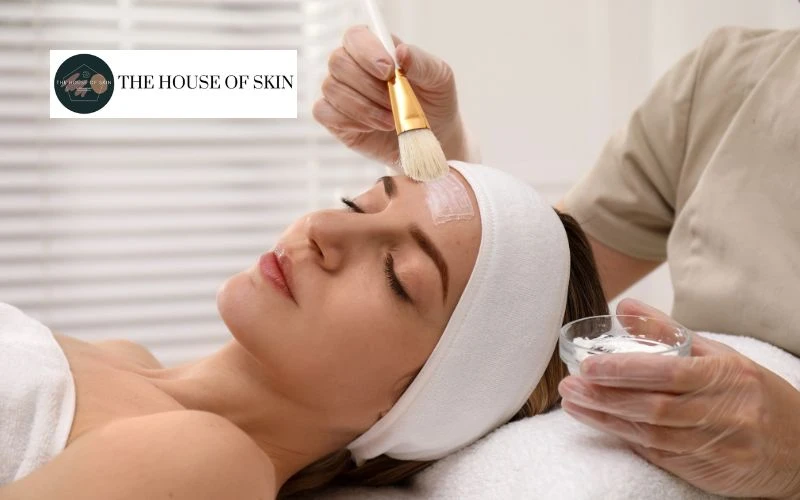

Chemical Peeling: An Introduction
Step into the realm of skin renewal, where science merges with beauty through chemical peels! If you\'ve ever dreamed of achieving a glowing complexion and bidding farewell to persistent skin issues, this is your opportunity. Today, we will delve into the technique of chemical peeling – a powerful skincare solution that can revitalize your skin and enhance your self-assurance. Join us as we uncover the wonders of this rejuvenating treatment at The House Of Skin with Dr. Parwaaz Matharoo, your trusted source for chemical peels in Ludhiana. Together, let\'s unlock the secrets to attaining flawless skin!
Chemical peels have many benefits
In addition to providing a number of benefits for skin renewal and rejuvenation, chemical peels can also effectively exfoliate the skin, removing dead skin cells and increasing cell turnover. In addition to a smoother, brighter complexion, this process can improve texture as well.
By using different peeling agents at varying strengths, dermatologists can customize chemical peels to address specific skin concerns, including acne, hyperpigmentation, fine lines, and wrinkles.
Moreover, chemical peels can help unclog pores and reduce sebum production, making them an excellent option for acne-prone skin since they stimulate collagen production.
Whether you\'re looking to improve your skin\'s overall appearance or address specific concerns, chemical peels can provide noticeable results with minimal downtime.
The different types of chemical peels and their uses
Different types of chemical peels cater to different skin concerns and goals, with superficial peels being the mildest. These peels work on the outermost layer of the skin and are great for improving skin texture and addressing minor imperfections such as fine lines and acne scars.
For moderate skin issues, such as pigmentation and wrinkles, medium-depth peels penetrate deeper into the skin. They stimulate collagen production for a more significant rejuvenation effect.
Designed to address severe sun damage, deep wrinkles, and precancerous growths, deep peels require more downtime, but deliver dramatic results.
It is essential to consult a professional like Dr. Parwaaz Matharoo at The House Of Skin in Ludhiana in order to determine the best peel for your skin type.
Chemical Peel Preparation
If you plan to undergo a chemical peel at The House Of Skin in Ludhiana, you should follow any instructions provided by your skin specialist, Dr. Parwaaz Matharoo.
Before your treatment, avoid harsh skincare products like exfoliants and retinoids. These can make your skin more sensitive and prone to irritation.
If you are taking any medications or have any medical conditions that could affect the peel process, you should tell Dr. Matharoo. This will assist him in determining which type of chemical peel is best for you.
You should stay hydrated and protect your skin from excessive sun exposure in the days leading up to your appointment. Sun-damaged skin may be more sensitive to chemical peels.
Be patient with the process - beautiful skin takes time and proper care before, during, and after a chemical peel session at The House Of Skin in Ludhiana!
What to expect during the procedure
In order to know what a chemical peel entails, it\'s important to consult a dermatologist or skincare specialist, like Dr. Parwaaz Matharoo at The House Of Skin in Ludhiana.
As the chemical solution works on your skin, you may experience tingling or stinging sensations. You will be thoroughly cleansed before the actual treatment. You should discuss your goals and expectations with your provider before getting a peel to determine the intensity and downtime of your peel.
Depending on your skincare professional, a soothing moisturizer or sunscreen may be applied post-peel to protect and hydrate your skin.
In order to achieve radiant and renewed skin, you should understand what to expect during a chemical peel.
Tips for Aftercare and Recovery
In order to achieve the best results and ensure a smooth recovery, proper aftercare is crucial.
Using gentle moisturizers recommended by your dermatologist will help soothe any tightness or dryness after a peel.
After a peel, your skin will be more sensitive to UV rays, so you should wear sunscreen daily and avoid direct sunlight.
Picking at peeling skin can cause scarring or infection. Let the old skin slough off naturally to reveal fresh, rejuvenated skin.
Consistency in following these guidelines will help maintain your results and promote optimal skin healing.
During the recovery period, be patient and give your skin the care it needs to thrive.
The most common misconceptions about chemical peels
It is a common misconception that chemical peels are only suitable for older individuals with visible signs of aging. In reality, chemical peels can benefit individuals of all ages by addressing acne, hyperpigmentation, and uneven skin tone.
In addition to the myth that chemical peels are painful and require a long downtime, advances in skincare technology have made many peels more comfortable and efficient with minimal downtime.
When performed by a trained professional, like Dr. Parwaaz Matharoo at The House Of Skin in Ludhiana, chemical peels can actually stimulate collagen production and improve skin thickness.
It is true that some people are afraid of chemical peels making their skin permanently damaged or scarred. However, when performed correctly and followed by proper aftercare, chemical peels are safe procedures that can improve your skin\'s health and appearance.
What are the people who should avoid chemical peels?
Some groups should exercise caution or avoid chemical peels altogether, even though they work wonders for many individuals. Chemical peels are usually not recommended for pregnant or breastfeeding women due to the potential risks associated with them. The treatment could also exacerbate skin issues for people with extremely sensitive skin or conditions such as eczema.
The potential for chemical peels to trigger new keloids should be considered by individuals with a history of keloid scarring. Before considering a chemical peel, people taking medications that make their skin more sensitive to sunlight should consult a dermatologist. Infections such as cold sores or acne breakouts should usually be delayed before a peel is performed for those who have cleared up.
To determine if you\'re a good candidate for a chemical peel, speak with a qualified skincare professional first. They can assess your individual situation and determine whether or not you\'re a good candidate.
Chemical peel alternatives
Trying to avoid chemical peels? There are several alternatives. One popular alternative is microdermabrasion, a non-invasive procedure that uses tiny crystals or a diamond-tipped wand to exfoliate the outer layer of the skin. In addition to reducing wrinkles and fine lines, this treatment can improve skin texture and tone.
With laser resurfacing, specific areas of the skin are targeted, stimulating collagen production and promoting cell turnover with focused light beams. You may also want to consider microneedling, a technique that involves creating tiny punctures in the skin to initiate the body\'s natural healing process. This procedure can address concerns like sun damage, age spots, and acne scars.
Using chemical-free skincare products that contain ingredients such as retinol, vitamin C, or hyaluronic acid can improve your skin\'s appearance over time if you prefer a more gentle approach. For the best solution for your specific needs and goals, consult a skincare professional.
Conclusion
Chemical peels have become increasingly popular and effective treatments for achieving smooth, radiant skin. Through tailored chemical peeling treatments from professionals like Dr. Parwaaz Matharoo at The House Of Skin in Ludhiana, individuals can experience remarkable transformations thanks to advancements in skincare technology.
Chemical peels offer a versatile solution to various skin concerns, including acne scars, sun damage, and fine lines. Patients can optimize their results while minimizing potential risks by understanding the benefits of different types of peels and following proper pre- and post-care routines.
Before undergoing any treatment with chemical peels, it\'s important to consult with a dermatologist. The chemical peeling procedure is not suitable for everyone, so it\'s important to know who should avoid it based on their individual skin conditions or medical history.
Chemical peel alternatives and complementary treatments, such as laser therapy or microdermabrasion, may provide similar benefits without the downtime associated with traditional peels.
People can achieve renewed skin health and confidence by partnering with a reputable skin specialist like Dr. Parwaaz Matharoo at The House Of Skin in Ludhiana for expert advice and personalized care. Chemical peels are a great way to renew your skin – because glowing skin is always in style!



























Sign in to leave a comment.