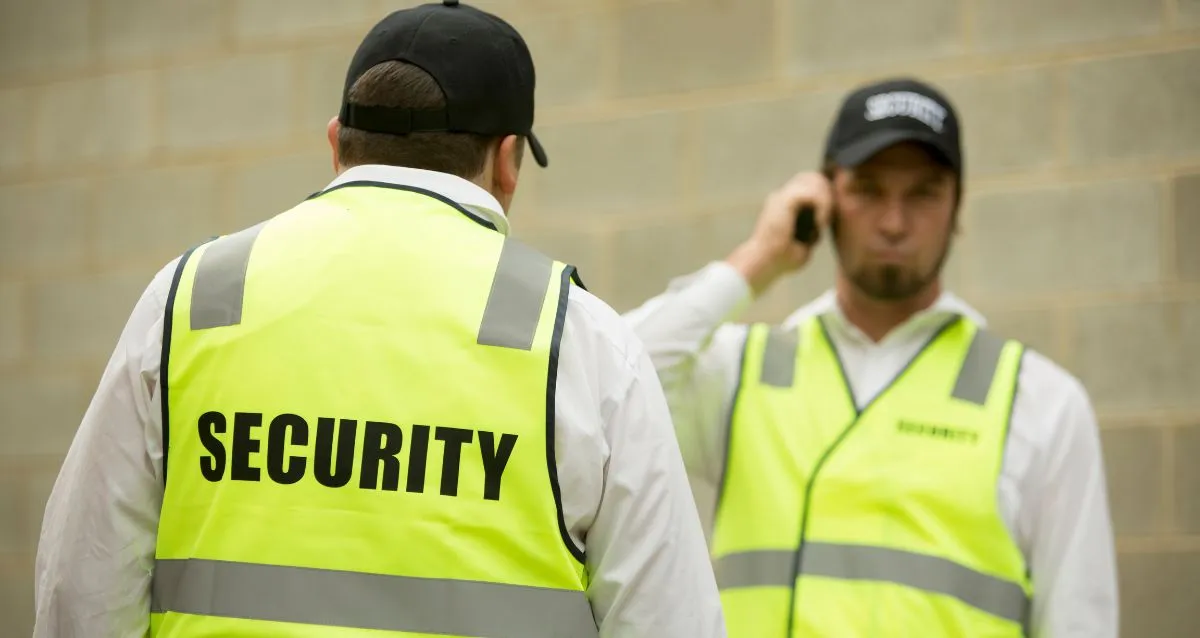

A secure operational environment is the first line of defense for any business wanting to protect its physical and intangible assets and staff. As the UAE market continues to grow, business owners need to choose between developing an internal guarding team and outsourcing the task to another firm. Though managing protection internally may seem to offer full control of the protection process, it most definitely does create more management and financial challenges. In contrast, contracting a dedicated security company in Dubai gives the opportunity to utilize the established frameworks of protection, relieving the management burden and allowing a business to focus on expanding other critical functions of the business.
The rapidly changing regulatory environment in the region further drives the use of contracted security services. The local business community is under some of the most rigorous public safety regulations in that any fault in training or procedures may result in an immediate fine. By contracting an accredited partner, a business protects itself from the challenges that come with the day-to-day operation of a protective division. This partnership ensures safety and compliance of the protection structures and leaves the flexibility to address advanced and specialized protection challenges.
Regulatory Insulation: Transferring the SIRA Administration Burden
Licensing, vetting and maintaining a compliant protective workforce means absorbing the grunt work of a cumbersome administrative process. The Security Industry Regulatory Authority (SIRA) has a tightly controlled regime of operational rules for corporate licenses, background checks and physical fitness. If a company opts to have its own security department, it has to be its own regulator. This entails background checks, individual staff registration on council portals and overseeing intricate visa renewals. This department's structural burden distracts resources away from normal corporate workloads and stretches administration and compliance capability thin.
+----------------------------------------------------------------------------------------------------------+
| IN-HOUSE SECURITY FRAMEWORK (HIGH FRACTION) |
| [Direct Corporate Liability] -> [Internal Visa & SIRA Costs] |
| [Mandatory 120-Hour Training] -> [Internal Penalty Exposure] |
+----------------------------------------------------------------------------------------------------------+
|
V
+----------------------------------------------------------------------------------------------------------+
| OUTSOURCED SECURITY MODEL (STREAMLINED) |
| [Transferred Legal Risk] -> [Pre-Vetted & Licensed Guards] |
| [Instant Shift Redundancy] -> [24/7 Central Telemetry Access] |
+----------------------------------------------------------------------------------------------------------+
Outsourcing physical safety eliminates the regulatory burden for the client. The specialized agency assumes the entire compliance process, ensuring each professional deployed to a commercial location has completed the 120-hour entry level training and has their personal certification and credentials up to date. This ensures that if safety and security auditors assess a commercial location, all logs of personnel deployment, background checks and training are readily available, organized and compliant. This shift of the regulatory burden enables corporate clients to avoid costly compliance violations whilst ensuring operational activities on the site carry on without interruption.
Financial and Operational Flexibility: Eliminating Capital Drag
From a corporate procurement angle, internal protective teams create ongoing capital burdens that limit long-term financial flexibility. In addition to monthly salaries, the additional costs for in-house security staff include uniforms, specialized equipment, worker’s compensation insurance, and housing allowances. On top of these costs, businesses essentially incorporate their own sick leave and vacation pay, as well as the costs of covering vacant posts during employee resignations that will inevitably leave serious gaps in the security staffing of a facility and/or require overtime for an employee that costs time and money.
| Financial & Operational Metric | In-House Protection Division | Outsourced Agency Framework |
| Regulatory Risk Exposure | Direct corporate liability for all SIRA non-compliance fines. | Complete regulatory risk transferred to the vendor partner. |
| Workforce Allocation | High overhead for recruiting, onboarding, and visa sponsorship. | Fixed, predictable monthly billing with zero staffing overhead. |
| Deployment Scalability | Fixed staffing levels that cannot easily adapt to changing needs. | Rapid scaling to match sudden event or facility demands. |
In contrast, high-end third-party security services in Dubai convert these operational uncertainties into a predictable monthly fixed expense. Because of the significant pools of talent most third-party security service companies maintain, they can easily adjust on-site staff to the security needs of the facility, temporary extensions, and high occupancy crowd control. In the event a guard falls ill or goes on vacation, a different, fully qualified, and vetted guard will be sent to the perimeter without an additional charge to the customer. This is the level of agility and precision defense that modern security systems demand.
Integrated Resource Defense: Accessing Advanced Surveillance Infrastructure
Modern property protection systems require the combination of an integrated physical defense and security systems that incorporate advanced technologies. Most modern systems can no longer rely on passive security. Advanced systems incorporate data tracking, secure communications, and real-time reporting. The construction of systems that incorporate these technologies requires significant capital investments in both defense and security technologies.
+----------------------------------------------------------------------------------------------------------+
| INTEGRATED ENTERPRISE DEFENSE |
| |
| [FACILITY PROTECTION LAYER] <---> [EXECUTIVE SAFETY LAYER] |
| - Real-time perimeter tracking - Elite close protection |
| - Fixed automated surveillance - Low-profile crowd control |
| - Geo-fenced mobile sweeps - Dynamic evacuation paths |
+--------------------------------------------------------------------------------------------------------+
Businesses can immediately obtain enterprise-grade security assets without capital expenditure by partnering with the best security companies in Dubai. Top companies connect their staff to 24/7 command centers with advanced technology such as smart tracking systems. Automated incident logging and instant GPS verified path monitoring are just some technologies companies are using to enhance their integration. Automated incident logging and instant GPS verified path monitoring. By integrating highly trained field guards and advanced central surveillance tech, businesses receive a modern defense network that protects their corporate capital.




























Sign in to leave a comment.