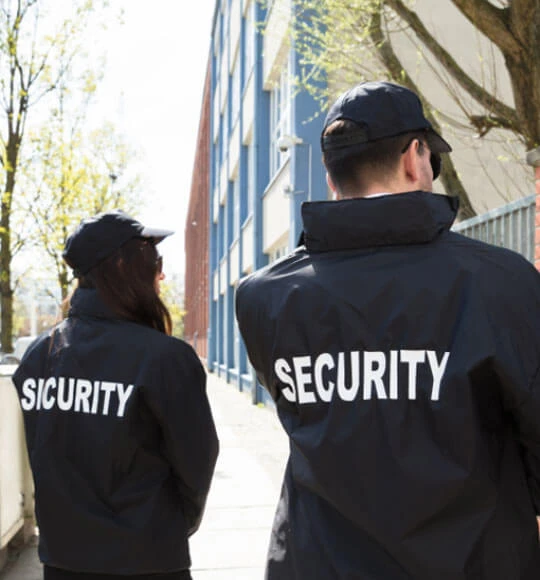

In Dubai and the wider UAE, a security team’s true worth is not only in preventing incidents, but also in responding to them and getting the environment back to normalcy. For a professional security company in Dubai, the ability to return to normalcy is gained from training outlined by the Security Industry Regulatory Agency (SIRA) and is extensive, realistic, and most importantly, mandatory. Incident management relies on these drills.
SIRA's Emergency Response Framework
In Dubai, the Security Industry Regulatory Agency (SIRA) is the one to ensure that every security staff, from patrolling guards to executive protection, gets training through accredited programs. One key focus of that training is the shift from an emergency to a return to normal operations.
Key Training Pillars:
Incident Command System (ICS): All security staff are trained to work in a unified command structure. This pivots on a hierarchy of control and command in a system of connection during a crisis, and helps coordinate directly with external services like Dubai Police and Civil Defence.
First Response and First Aid: Mandatory training teaches fundamental lifesaving skills including CPR, first aid, and other lifesaving skills. This helps a security guard function as a first responder and helps them keep the situation under control until medical help arrives.
Evacuation and Crowd Control: Evacuation drills prepare for the efficient and rapid removal of all the people from a facility while maintaining an orderly environment. This is particularly vital for high-rise structures and overcrowded commercial centers. Such scenarios focus on the avoidance of panic and the communication needed for effective crowd control.
Essential Drills: The Road from Chaos to Calm
The important part of incident management is practical application that comes in the form of simulated scenarios. Moving beyond simple walk-throughs, these exercises involve interlinked, multi-step drills that evaluate personal skills and the overall system's ability to maintain operational continuity.
| Drill Type | Objective | Key Takeaway for Normalcy |
| Fire and Evacuation Drills | Test alarm systems, exit routes, and personnel accountability procedures. | Controlled Exit: Rapid confirmation that the premises are clear before handing over to Civil Defence. |
| Active Threat/Lockdown Drills | Practice isolating the threat, initiating lockdown, and coordinating a safe police intervention. | Site Security: Securing the scene, preserving evidence, and controlling access for official investigation. |
| Technical/Cyber Incident Drills | Simulated system failures (e.g. CCTV, access control) or data breaches. | System Restoration: Activating a backup, isolating a network, then rebooting an IT system after an audit. |
| Executive Protection (EP) Scenario | Rehearsing the immediate, secured, and discreet extraction and transport of a VIP, client, or key executive, typically involving Dubai-based bodyguards in Dubai. | Continuity of the Business: Ensuring the principal is safe and able to perform the organization’s primary functions remotely to limit operational disruption. |
The Critical Transition to Normalcy
The transition to normalcy is the most underestimated part of incident management. Security professionals in Dubai grasp the significance of this phase after an incident.
Preservation of the Scene and Documentation: The Scene and Documentation Preservation: When personnel respond, secure an area, establish a chain of custody, and report incident particulars for law enforcement and insurance, these must be documentation, accurate, and thorough. This is especially useful for investigations and impacts liability.
Post-Incident Debrief: This is supposed to be comprehensive since it includes the entire response team, patrol team, and command staff. The purpose for this is to identify gaps and failures, and analyze communication and procedural successes. The debrief is critical for evolving and revising the SOPs.
Psychological First Aid: Not a physical security function, but security staff have begun to pick up some training in identifying signs of stress or trauma in victims and staff. They are then able to pass people on to professional care and help facilitate the return to normalcy for the client organization.
Conclusion: The Security Balance in the Region
The security sector in the UAE, particularly in the context of SIRA, has raised the level of incident management to vastly different expectations. It becomes a philosophy of anticipated and seamless execution, then an effortless documentable return to normalcy. For a premier security agency in Dubai, this means ongoing investments in people and in the right technology.
With adaptable and thorough training programs, Dubai's security systems not only match global standards, but are raising the global standard. It is driven by rigorous attention to detail in drills and disciplined, after-action evaluations. That effort bolsters the region’s ambitious economic and technological pursuits with a solid foundation of safety. A security professional's role extends beyond crisis intervention and protection; their advanced training, routine patrolling, and monotonous task enforcement discernibly integrate the security responsiveness as a continual, active element of business protection and assurance.























Sign in to leave a comment.