Overview
In recent years, India has emerged as a significant hub for oncology treatment in Asia, with radiation oncology becoming one of the country's fastest-growing medical specialties. As cancer incidence continues to rise globally, radiation oncologists in India are pioneering innovative approaches, conducting groundbreaking research, and delivering world-class treatment while making it accessible to a diverse population.
The Evolution of Radiation Oncology in India
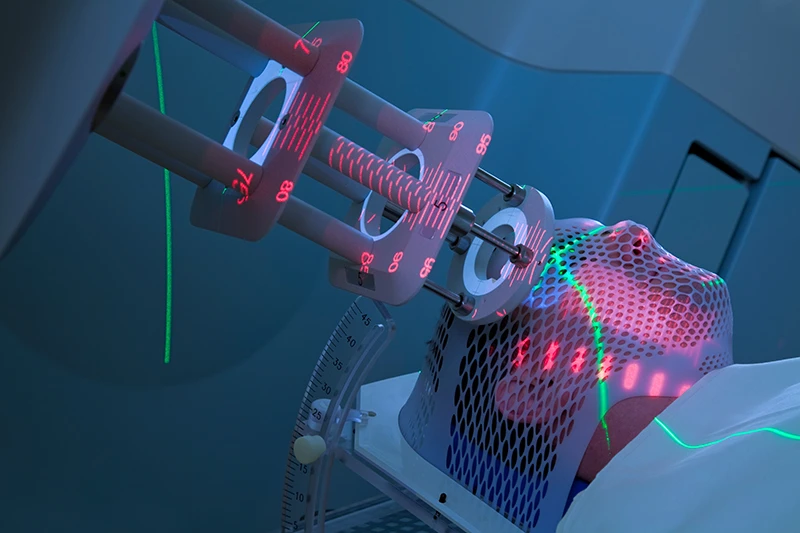
The journey of radiation oncology in India began modestly in the 1950s with the establishment of the first teletherapy units at cancer centers in Mumbai and Chennai. Today, the landscape has transformed dramatically, with India housing some of the most advanced linear accelerators, proton therapy units, and stereotactic radiosurgery systems globally.
This evolution reflects not just technological adoption but the development of homegrown expertise. India now boasts over 1,000 qualified radiation oncologists, many of whom have trained at prestigious international institutions before returning to elevate care standards in their homeland.
Leading Lights in the Field
Among India's distinguished radiation oncology experts, several names stand out for their contributions to clinical practice, research, and education:
Dr. Rakesh Jalali, currently practicing in Chennai, has pioneered neuro-radiation techniques and has over 200 peer-reviewed publications to his credit. His work on pediatric brain tumors and stereotactic radiosurgery has earned international recognition.
Dr. Sushma Agarwal from Tata Memorial Hospital, Mumbai, has spearheaded innovations in gynecological cancers and intensity-modulated radiation therapy (IMRT). Her protocols for cervical cancer management have been adopted across multiple centers in developing nations.
Dr. G.K. Rath, former head of the National Cancer Institute at AIIMS, Delhi, has been instrumental in shaping national cancer control policies while mentoring hundreds of oncologists who now practice across the country.
Dr. Tejinder Kataria, chairperson of radiation oncology at Medanta, Gurugram, has been at the forefront of introducing adaptive radiotherapy and MRI-guided radiation treatments in the Indian context.
Centers of Excellence
India's radiation oncology expertise is concentrated across several centers of excellence:
Tata Memorial Centre (Mumbai) remains the flagbearer of oncology care and research in India, treating over 70,000 new cancer patients annually. Its radiation oncology department houses cutting-edge equipment including TrueBeam accelerators and has pioneered image-guided radiotherapy protocols suited for high-volume centers.
All India Institute of Medical Sciences (Delhi) combines clinical excellence with academic rigor, contributing significantly to radiation oncology research while training the majority of India's radiation oncologists.
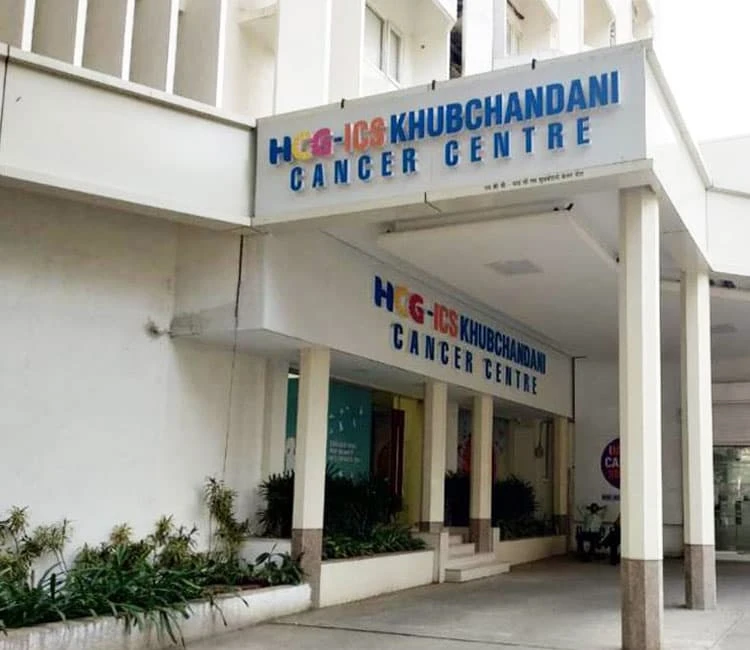
Healthcare Global (HCG) Network, with its presence across multiple cities, has democratized access to advanced radiation treatments, bringing technologies like TomoTherapy and Gamma Knife to tier-2 cities.
Apollo Proton Cancer Centre (Chennai) made history by housing South Asia's first proton therapy facility, offering this advanced treatment modality to patients who previously had to travel abroad.
Innovations and Contributions
Indian radiation oncologists have made notable contributions that address unique challenges in the local context:
Hypofractionation Protocols: Indian experts have been at the forefront of developing and validating hypofractionated radiotherapy regimens, which deliver treatment in fewer sessions without compromising efficacy. This innovation has particular relevance in a resource-constrained environment with high patient volumes.
Indigenous Technologies: Collaborations between oncologists and engineering institutions have resulted in locally developed treatment planning systems and quality assurance tools, reducing dependence on expensive imported technologies.
Telemedicine Networks: Several Indian radiation oncologists have pioneered telemedicine networks that connect remote centers with experts, ensuring that treatment planning expertise reaches underserved areas.
Cost-Effective Approaches: Indian experts have developed innovative approaches to reduce treatment costs, such as optimal resource utilization strategies and modified fractionation schemes that maintain clinical outcomes while improving accessibility.
Challenges and Future Directions
Despite remarkable progress, Indian radiation oncology faces significant challenges. The country still needs approximately three times its current number of radiation oncologists to meet WHO-recommended doctor-to-patient ratios. Additionally, the distribution of expertise remains urban-centric, creating access disparities for rural populations.
Looking ahead, several promising developments are underway:
National Cancer Grid: This network of cancer centers, championed by leading radiation oncologists, is standardizing protocols and facilitating knowledge sharing across 260+ centers nationwide.
Artificial Intelligence Integration: Indian experts are developing AI tools for treatment planning and response prediction, with potential to address the human resource shortage.
Training Expansion: New academic programs and fellowship opportunities are being established to address the expertise gap, with emphasis on tier-2 and tier-3 cities.
Global Leadership: Indian radiation oncologists are increasingly taking leadership roles in international organizations, bringing global best practices home while sharing Indian innovations abroad.
Conclusion
The story of radiation oncology expertise in India reflects a broader narrative of the country's healthcare evolution – balancing technological advancement with accessibility, research excellence with practical application, and global standards with locally relevant solutions.
As India continues to strengthen its position in global oncology, its radiation oncology experts remain committed to a dual mission: pushing the boundaries of what's possible in cancer care while ensuring these advances reach those who need them most, regardless of socioeconomic status. Through this balanced approach, they are not just treating cancer but transforming lives across one of the world's most populous and diverse nations.

























Sign in to leave a comment.