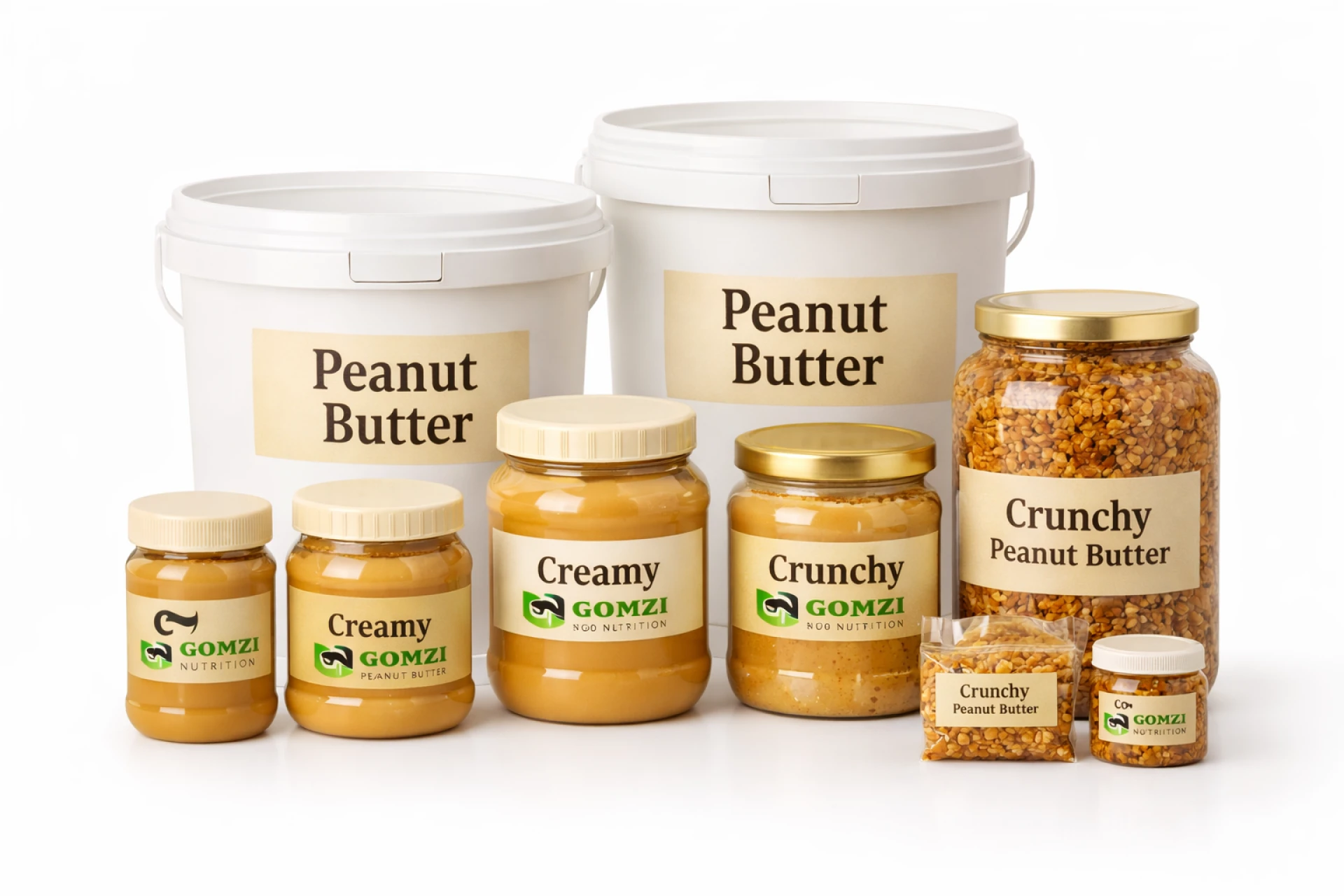

India’s peanut butter market is expanding rapidly, driven by rising protein awareness, fitness trends, and demand for clean-label spreads. As consumer expectations increase, brands must look beyond basic production and align with structured, export-ready manufacturing ecosystems.
Gujarat has emerged as India’s peanut butter powerhouse — combining agricultural strength, advanced processing infrastructure, and compliance-driven manufacturing systems. For growing brands, leveraging the Gujarat advantage means gaining access to quality, scalability, and global competitiveness.
Why Gujarat Leads India’s Peanut Butter Manufacturing Sector
Gujarat is one of India’s largest peanut-producing states. This strong agricultural base creates a vertically integrated advantage for manufacturers:
- Direct access to premium-quality groundnuts
- Reduced raw material volatility
- Better quality consistency
- Lower logistical complexity
For brands seeking reliable peanut butter manufacturers, Gujarat offers both raw material strength and modern production facilities. This integration helps ensure stable supply chains — a critical factor in today’s fluctuating global market.
From Farm to Jar: The Structured Manufacturing Model
Global-quality peanut butter is not just about roasting and grinding. It requires systematic processing, quality checks, and compliance documentation.
1. Raw Material Selection & Testing
Every batch begins with strict screening of groundnuts for:
- Moisture levels
- Aflatoxin control
- Size and grade uniformity
- Contaminant testing
This ensures food safety and export readiness.
2. Controlled Roasting & Grinding
Precision roasting enhances flavor while maintaining nutritional value. Advanced grinding systems ensure:
- Smooth or crunchy consistency
- Stable oil distribution
- Uniform texture across batches
3. Blending & Custom Formulations
Modern peanut butter contract manufacturing models allow brands to customize:
- High-protein variants
- Jaggery or honey-based options
- Low-sugar or no-added-sugar formats
- Chocolate-infused or flavored spreads
This flexibility helps brands differentiate in a competitive retail landscape.
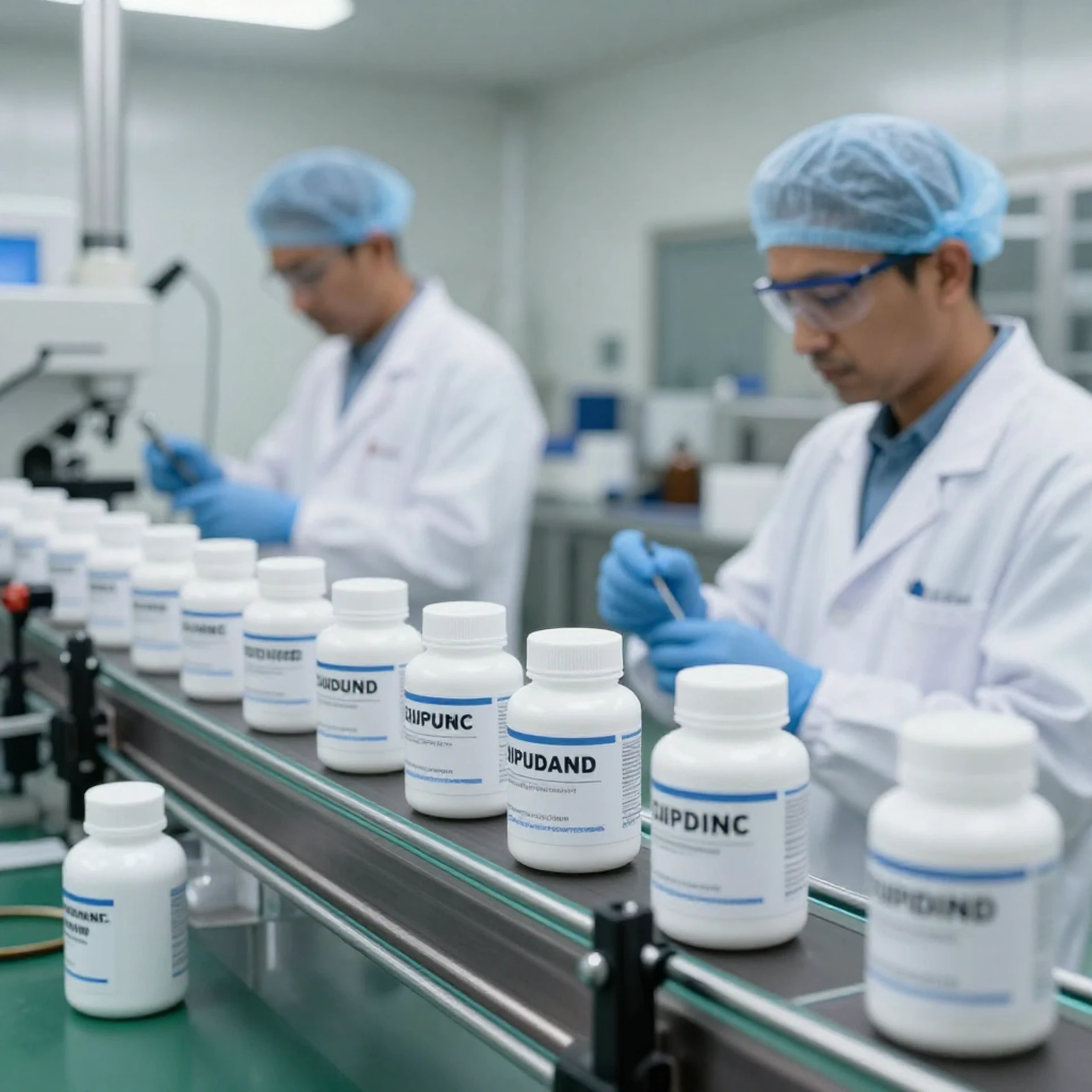
4. Automated Filling & Packaging
Automated filling lines maintain hygiene, weight accuracy, and sealing integrity. Proper packaging ensures:
- Extended shelf life
- Retail-ready presentation
- Export compliance documentation




























Sign in to leave a comment.