Transitioning a product from its initial conceptualization to a tangible, functional form necessitates a manufacturing approach that effectively connects preliminary ideation with the performance standards required for market readiness.
Although early-stage mockups frequently utilize additive manufacturing techniques, these iterations seldom exhibit the thermal or mechanical characteristics essential for comprehensive field testing.
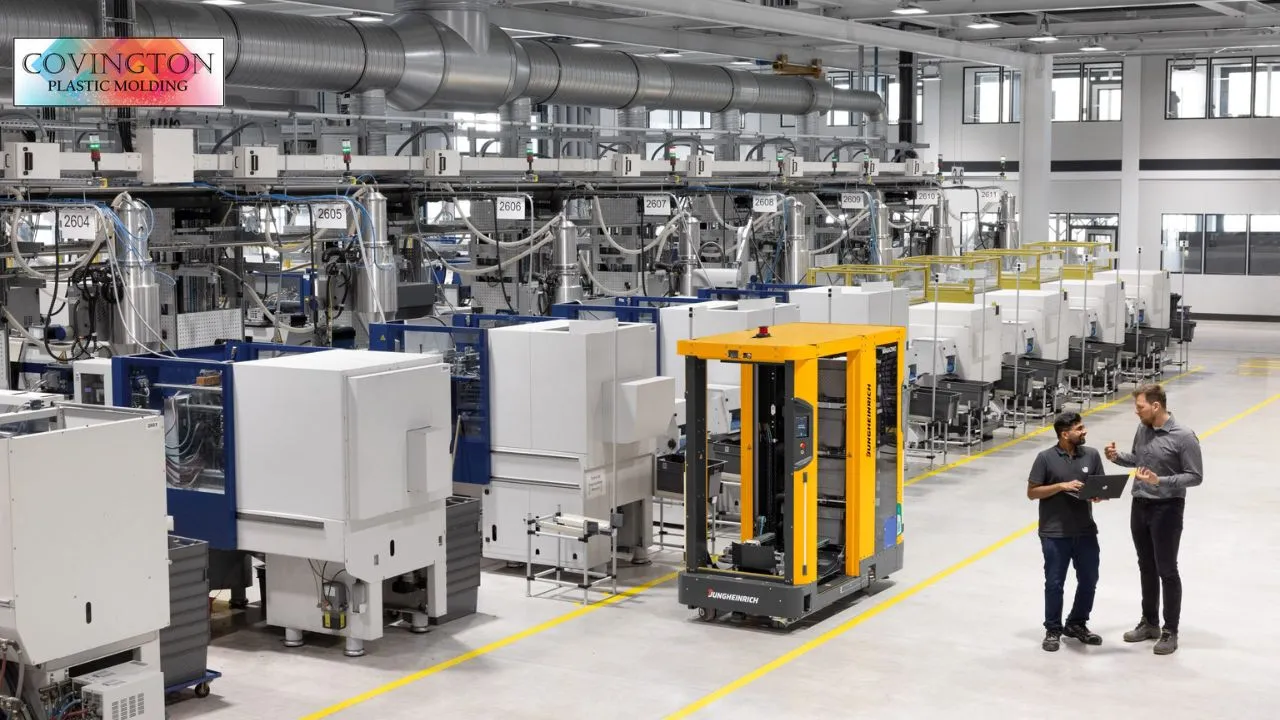
For companies looking to test a design before investing heavily in mass production, custom plastic injection molding offers the most straightforward solution, which is precisely what we’ll talk about today.
Key Takeaways
- Material Validation: Testing the part using the exact end-use resin to ensure it survives heat, friction, or chemical exposure.
- Geometric Accuracy: Confirming that complex snap-fits and interlocking features function correctly in a hardened state.
- Bridge Production: Generating a small batch of parts for consumer focus groups or safety certification without long-term tooling debt.
Turning Ideas Into Tangibles: How Does Custom Plastic Injection Moulding Help?
Evaluating Real-World Mechanical Stress
A 3D-printed part is built in layers, creating natural weak points that do not exist in a solid, high-pressure molded component.
By using custom plastic injection moulding during the prototyping phase, engineers can subject the part to the exact stresses it will face in the hands of a consumer. Testing for impact resistance, flexural strength, and thermal expansion in a way that can't be mimicked by "fake" prototypes is crucial.
This provides a technical standard, ensuring the part won't break or deform under stress, and this allows for design changes mid-development phase of the project.
Refining Tooling & Ejection Logistics
Building a prototype through molding forces a designer to address the mechanical problems of the factory floor early on. Issues like "sink marks" caused by thick walls or "flash" from poor sealing become apparent immediately.
When a team usescustom plastic injection moulding, they are essentially performing a "test flight" for the final manufacturing process. This stage identifies if the part will stick in the cavity or if the cooling gates are positioned correctly.
Resolving these logistical hurdles during a short run prevents expensive delays once the project moves to a permanent, high-volume production line.
Accelerated Market Entry Via Bridge Tooling
In competitive industries, being the first and having a head start on the market is often more important than having a perfect million-unit supply chain on day one.
Prototyping with custom plastic injection moulding lets a company produce the first few thousand units for a soft launch or a trade show before anyone catches a whiff of it.
These parts are retail-quality and functionally identical to mass-market goods. This approach enables a brand to start generating revenue and gathering user feedback while the final, hardened steel production tools are still being machined. It turns a slow, linear development cycle into a fast, overlapping launch strategy.
Conclusion
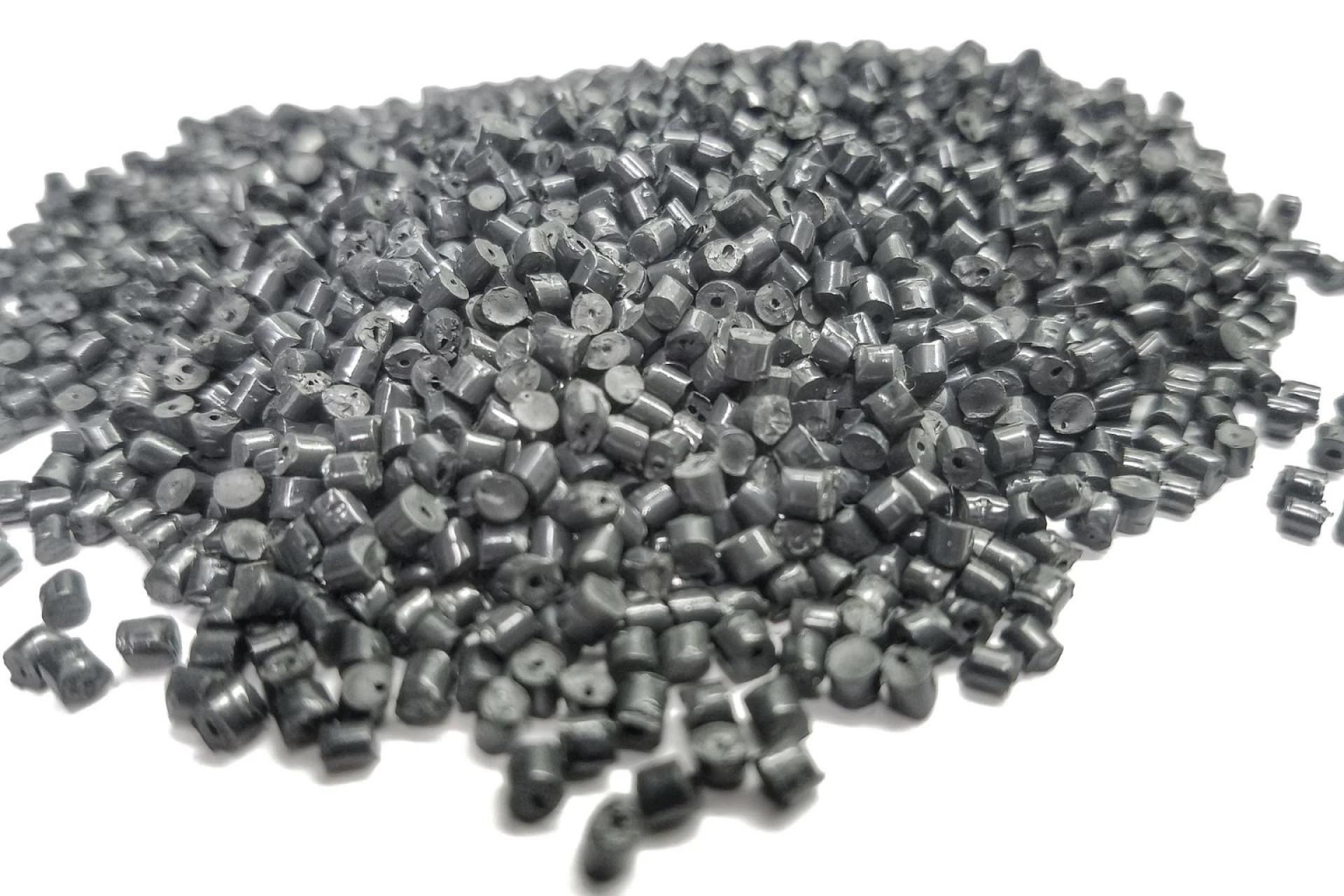
The move from a digital model to a molded prototype is the ultimate reality check for any hardware developer. It is the phase where theoretical physics meets the harsh truth of industrial resins and hydraulic pressure, and by focusing on short-run tools that use authentic materials, companies can eliminate the guesswork that leads to recalls or expensive redesigns later in the lifecycle.
This method provides a strong foundation for growth, ensuring every design choice is backed by real-world evidence. By emphasizing practical accuracy in the selected approach, it is possible to engineer the custom mold for injection molding machine to deliver both efficient production and superior quality.
























Sign in to leave a comment.