Due to the high precision and consistency of the manufacturing of plastic parts, one must wonder how this is achieved, and the answer is that it involves a very controlled manufacturing process.
Most companies pose the question, what is injection molding, and how do expert injection mold manufacturers get precise and high-volume parts time after time? Injection molding is a four-step process that is repeatable and can convert raw plastic into durable finished parts in a fast and efficient manner.
In this blog, we shall discuss:
- What is injection molding, and what is the reason behind its popularity?.
- The most important processes of the injection molding cycle.
- The manner in which injection mold manufacturers ensure quality at every stage.
- The importance of process control in the case of consistent production.
What Exactly is Injection Molding?
Let’s define injection molding before we get into all the details of how it works. The injection molding process is where heated liquid material (most commonly thermoplastic) is injected into a specially designed metal mold (the shape that you want your part to take) so that it can create a single finished part. Because injection molding provides the ability to produce thousands of identical parts with high and uniform quality at some of the lowest possible costs per unit, it is an extremely effective means to mass-produce consumer products.
Step 1: Clamping
Clamping is the initial step in injection molding. The injection molding machine should be able to close the two halves of the molds before the material is injected into the mold. Sufficient force is exerted by the clamping unit to ensure that the mold is closed during the injection stage.
Injection mold manufacturers, who are professionals, pay close attention to the appropriate clamping force depending on the flow of material, the size of the cavity, and the design of the part. In case the clamp force is not high enough, material will leak out, resulting in defects. Clamping is important to provide dimensional stability and prepare the stage for a successful injection molding cycle.
Step 2: Injection
The second step provides the fundamental question of what injection molding is at its most fundamental level. It is a process of melting the plastic resin and filling it in a mold cavity with high pressure.
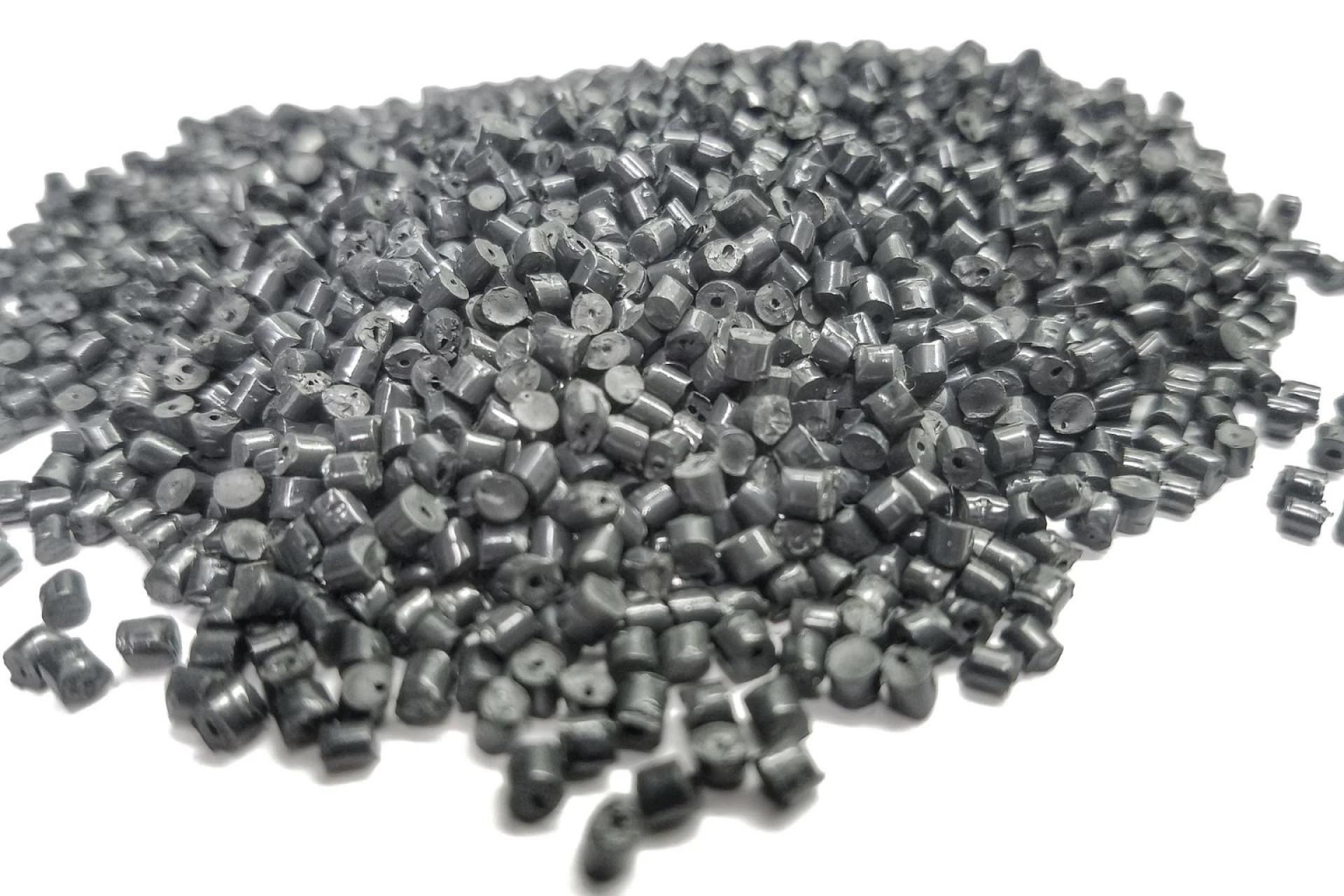
The plastic pellets are heated in the barrel until they melt. This stage shapes the part, and the structural integrity of the part will be determined by the process. The material is injected into the mold cavity at a controlled speed and pressure by the injection unit.
To ensure that the part has no defects (i.e., short shots, air traps, or burned marks), the injection mold manufacturers must carefully control the following: temperature, injection rate, and pressure.
Step 3: Cooling
Once the cavity is filled to the brim, the molten plastic starts cooling down and solidifying. The time of cooling depends on the type of material, the thickness of the walls, and the shape of the molds.
Manufacturers of injection molds create sophisticated cooling systems in the mold so as to control temperature uniformly. Warping, shrinkage, and internal stress are avoided through proper cooling. Actually, cooling can be the most significant phase of the injection molding cycle, so it is the efficiency at this stage that is crucial in high-volume production.
Knowledge about what injection molding is also requires the realization that controlled cooling is the same thing as injection.
Step 4: Ejection
After the component has cooled and hardened, the mold is parted, and ejector pins are used to force the finished component out of the mold. The ejection system has to operate well to prevent deformation or damage of the surface.
The manufacturers of injection molds ensure that the ejection alignments and maintenance of the molds are always checked. Once ejection has taken place, the mold re-closes and the injection process of molding cycles once again, in most cases, within seconds.
This cycle is continually repeated, enabling manufacturers to create thousands or even millions of the same parts with a great deal of precision.
Final Thought
So, what is injection molding? It is an accurate four-step process of manufacturing, clamping, injection, cooling, and ejection, which allows the manufacturer of injection molds to make consistent and high-quality plastic parts on a large scale.
Covington Plastic Molding provides state-of-the-art tooling, along with total in-house capabilities, on every project. They have a wealth of knowledge about injection molding, as they are recognized as reputable manufacturers of injection molds and, as such, utilize cutting-edge manufacturing techniques required to produce reliable, efficient, and precision-driven products for all types of industries, both domestic and international markets.























Sign in to leave a comment.