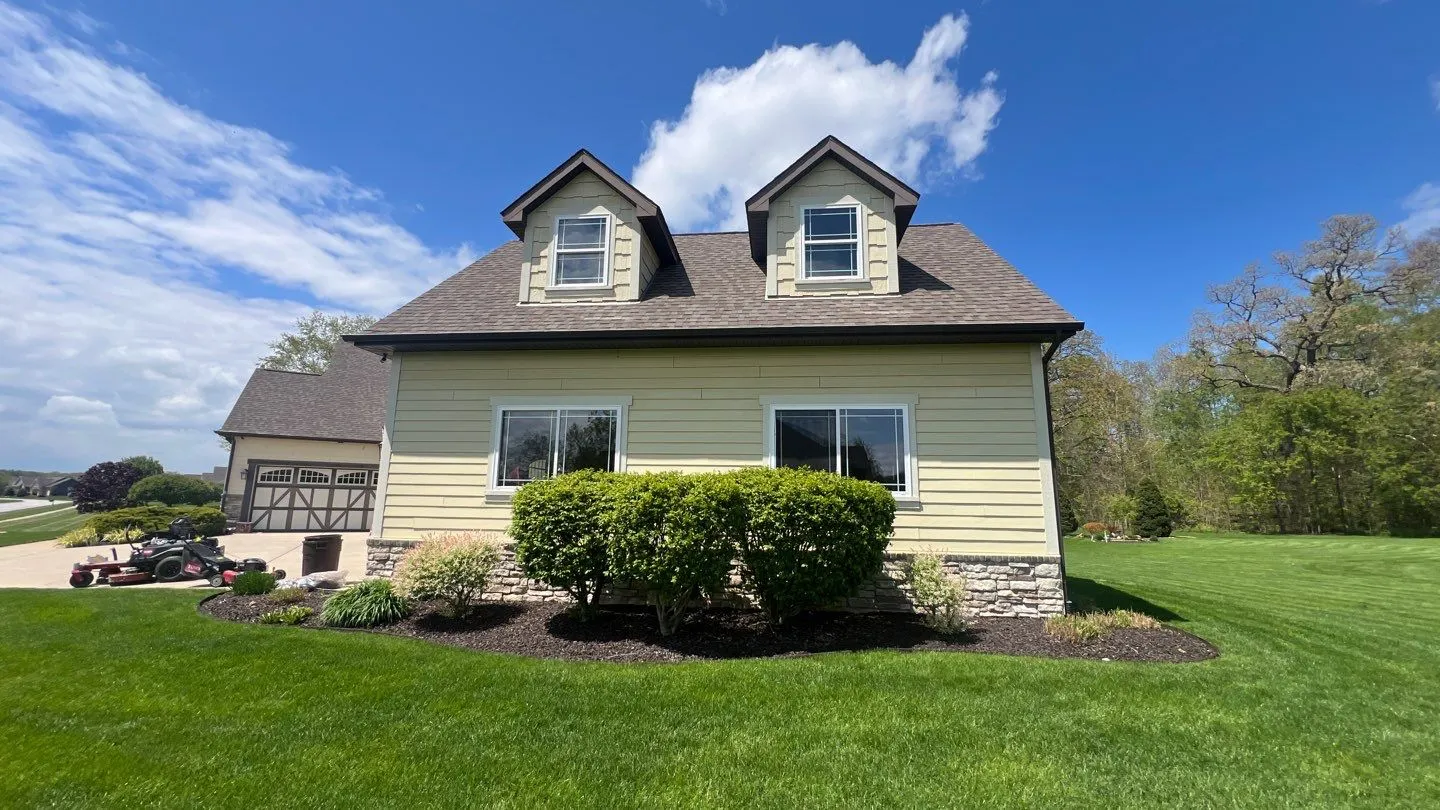

If you own or manage a commercial property in Northwest Indiana and have been comparing notes with a neighbor who just replaced the shingles on their home, you have probably already noticed that the conversations are heading in completely different directions. Different materials, different contractors, different maintenance approaches, and a different cost structure altogether.
Understanding why commercial and residential roofing are fundamentally different helps property owners and business managers make better decisions about contractor selection, budget planning, and long-term maintenance. It also helps you quickly identify when a contractor who primarily works on homes is not the right fit for your commercial building.
The Most Important Difference: Roof Design and Slope
Everything else that differs between commercial and residential roofing flows from this one fact.
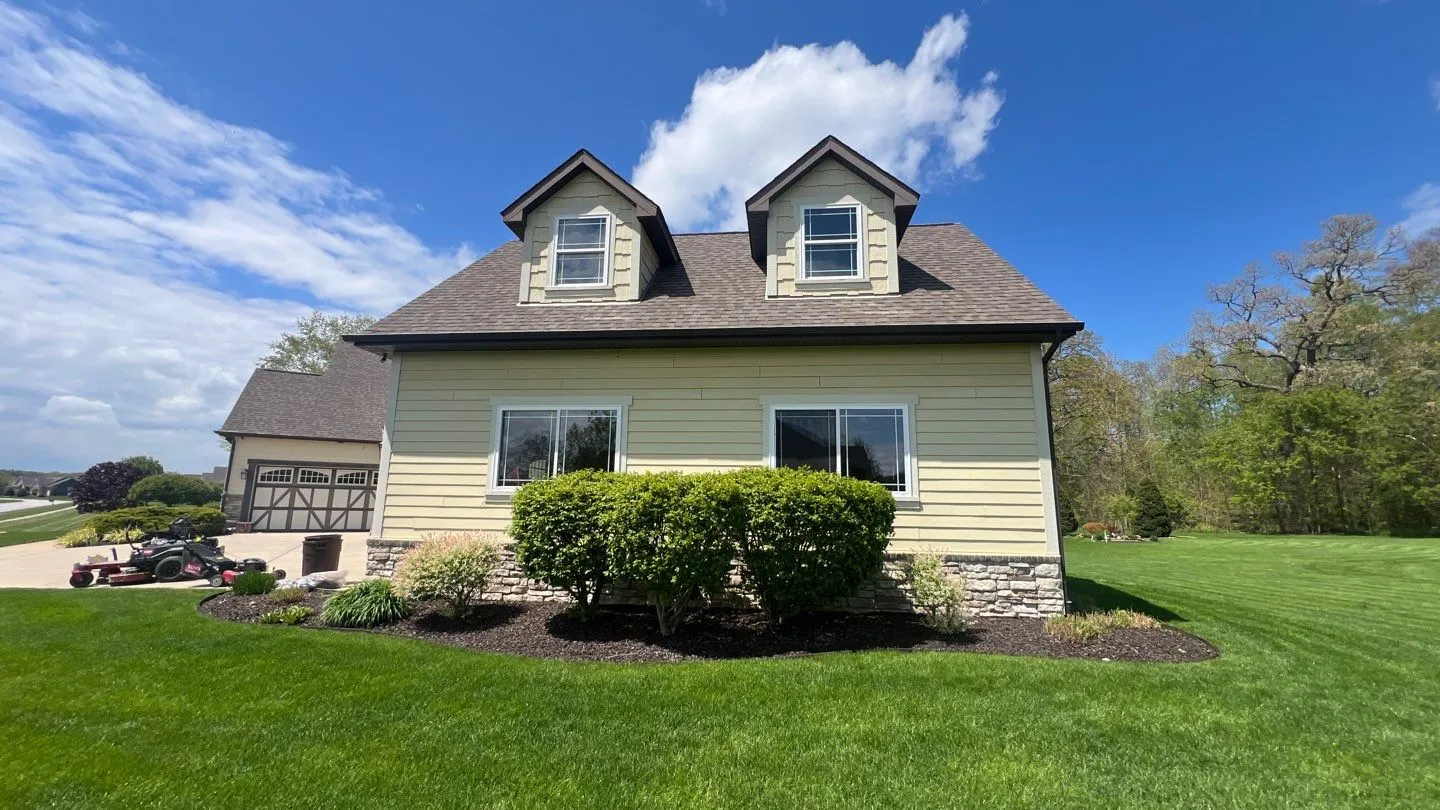
Residential roofing typically has a steep slope or pitched design, making it easier for rain and snow to run off. Commercial roofing is usually flat or low-sloped to accommodate HVAC units, ventilation systems, and other equipment. Flat roofs require proper drainage systems to prevent water pooling.
A pitched residential roof sheds water by gravity. Rain and snow move off the surface naturally toward the gutters. The job of a residential roofing system is to be waterproof enough that no water penetrates before it runs off.
Commercial roofs are more like bathtubs. You have to design them so the water goes somewhere before it causes leaks or ponding. On a flat or low-slope commercial roof, water does not run off quickly. It sits on the surface, finds any imperfection in the membrane, and enters the building. Every drain, every seam, every penetration for HVAC equipment, vents, and skylights is a potential water entry point that must be engineered and maintained.
That design difference is why the materials, installation process, and maintenance requirements are so different.
Materials: Completely Different Categories
Residential roofing commonly uses asphalt shingles, metal roofing, clay tiles, and wood shakes. These materials work well on sloped roofs and are often chosen for their appearance as much as performance. Commercial roofing often uses materials suited for flat surfaces, such as TPO, EPDM, PVC, modified bitumen, or built-up roofing.
Here is what each of the primary commercial roofing materials does and where each is typically used.
TPO (Thermoplastic Polyolefin) is currently one of the most widely specified commercial roofing membranes in the Midwest. It is a single-ply white or light-colored membrane that reflects solar heat effectively, which reduces cooling loads in summer. It is heat-welded at seams to create a continuous waterproof layer and is relatively lightweight. TPO has become popular for retail buildings, office complexes, and light industrial structures throughout Northwest Indiana.
EPDM (Ethylene Propylene Diene Monomer) is a rubber-based membrane that has been used on commercial roofs for decades. It is durable, flexible through Indiana's freeze-thaw cycles, and relatively simple to repair. EPDM is typically black, which can absorb heat in summer but performs well in cold climates because it remains flexible at low temperatures. It is commonly found on older commercial buildings and institutional structures.
PVC (Polyvinyl Chloride) is another single-ply option similar to TPO in appearance but with different chemical composition. PVC has excellent resistance to grease and chemical exposure, making it a preferred choice for restaurant buildings and food processing facilities where rooftop grease from exhaust systems is a concern. A commercial roof comprises several layers: insulation, decking, protective layer, and reflective coating. The precise layering depends on the type of roofing used.
Modified bitumen is a multi-layer asphalt-based system factory-manufactured and installed in sheets. It provides excellent waterproofing, handles foot traffic better than single-ply membranes, and is a durable option for roofs that require regular access for HVAC servicing.
Built-up roofing (BUR) is the traditional tar-and-gravel flat roof system. Multiple plies of asphalt-saturated felt are mopped together with hot asphalt and finished with a gravel ballast. It is still found on older commercial buildings throughout the region and remains a viable option for certain applications.
Installation: Scale, Complexity, and Specialization
Residential roofing installation is generally quicker and easier. The materials are lightweight, and the process is less labor-intensive, often taking a few days. Commercial roofing installation is more complex and time-consuming due to the size, materials, and multiple layers required. It may take weeks to complete depending on the project's scope.
The installation process for a commercial roof also requires equipment and expertise that residential roofing work does not. Commercial roofing systems require specialized labor and equipment, more layers including insulation, vapor barriers, and drainage systems, and may include custom design work based on HVAC units, skylights, or rooftop equipment.
Not all roofing companies near me are equipped for commercial work. When sourcing contractors for a commercial property, specifically ask about their commercial project experience, what membrane systems they have installed, and whether their crew is certified for the specific product being specified. A residential roofing crew that primarily works on shingles does not have the knowledge or tooling to install a quality heat-welded TPO membrane system.
Cost: Why Commercial Roofing Costs More Per Square Foot
Commercial flat roofing typically costs more than people might think, due to insulation requirements. Board insulation is normally installed as part of a low-slope roof system and adds material cost above and beyond the membrane itself.
For Indiana commercial properties, TPO and EPDM membrane systems generally run between $6 and $12 per square foot installed, depending on insulation requirements, drainage scope, and any rooftop equipment integration needed. That range can rise significantly for large or complex structures with extensive HVAC penetrations, specialty drainage systems, or access requirements.
Commercial roofing contractors face higher permit fees ranging from $200 to $500 for larger projects. Local roofing codes mandate specific inspection points throughout the installation process. Budget for permits and inspection costs as part of any commercial project estimate.
Maintenance: Flat Roofs Require a Different Approach
A residential homeowner can spot many roof problems from the ground or from a basic attic inspection. Commercial property managers do not have that luxury.
Commercial roofing requires specialized maintenance, as flat roofs are prone to water pooling, leaks, and damage from rooftop equipment. Commercial roofs need regular professional inspection because damage is not always visible from the ground or even from the roof surface.
Water pooling on a flat roof that is not draining within 48 hours of a rain event is a maintenance issue that needs to be addressed immediately. Standing water accelerates membrane degradation, adds structural load, and freezes in winter to create ice pooling that stresses seams and drains.
Rooftop HVAC equipment creates ongoing maintenance demands. Every penetration through the membrane for a condenser, exhaust, or electrical conduit is a potential leak point if the flashing and sealant around it are not maintained. In Northwest Indiana's climate, those seals are stressed by freeze-thaw cycles every winter. Annual inspections by a qualified commercial roofing contractor should include checking every penetration point on the building.
The general recommendation for commercial flat roofs is two inspections per year, typically in spring after winter stress and in fall before the freeze-thaw season begins, plus an inspection after any significant storm event.
Why Local Commercial Roofing Expertise Matters in Northwest Indiana
The industrial, retail, and commercial building stock in the Michigan City, Merrillville, and Valparaiso area faces the same aggressive climate that residential roofs deal with, but on a much larger scale. A 20,000-square-foot commercial roof that develops a drainage problem in February is not a situation where you want to discover your contractor does not have experience with commercial membrane systems in cold weather conditions.
Weldon Roofing and Construction handles both residential and commercial roofing projects throughout Northwest Indiana. Whether you are managing a retail strip, office building, warehouse, or any other commercial structure, the inspection, estimate, and project management approach is the same: thorough, transparent, and backed by the manufacturer certifications and local experience your property deserves. For roof repair near me on commercial structures, the same standards of licensing, insurance, and documentation apply as for any residential project.
FAQs
Can a residential roofer work on my commercial building? Technically yes, but practically it depends entirely on the contractor. Many residential contractors do not have the equipment, training, or product certifications needed for flat roof membrane systems. Ask specifically about their commercial roofing experience and whether they are certified by the membrane manufacturer for the product being installed.
How long does a commercial roof last in Indiana? Flat commercial roofs can last anywhere from 15 to 40 or more years depending on the membrane, installation quality, and ongoing care. Lifespan is directly tied to maintenance. Neglected commercial roofs often need early replacement. TPO and EPDM membranes installed by qualified contractors and properly maintained typically reach 20 to 30 years in Indiana's climate.
What is the most common cause of commercial roof failure?
Drainage failure and deferred maintenance. Water that pools and cannot drain properly is the most consistent driver of premature commercial roof deterioration. The second most common cause is penetration failures around HVAC equipment and pipe boots that are not regularly inspected and resealed.
Do I need roof repair near me for a commercial roof or a full replacement?
The same basic logic applies as for residential: isolated damage on a roof that is otherwise in sound condition is a repair situation. Widespread membrane cracking, extensive seam failure, or a roof past its serviceable life is a replacement situation. A qualified commercial roofing contractor should provide both options with written estimates.
Does commercial roofing require different insurance from residential?
The contractor's insurance requirements are generally similar: liability insurance and workers' compensation. However, the scale of commercial projects means you should specifically verify that the contractor's liability coverage is sufficient for the scope of the work being done on your property.
























Sign in to leave a comment.