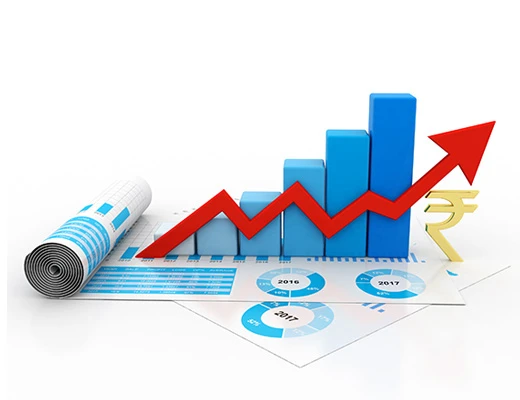

The Indian GDP (Gross Domestic Product) is one of the most important indicators used to measure the overall health of the country's economy. It reflects the total value of goods and services produced within India and provides insights into economic performance, development trends, and future opportunities.
Over the years, the Indian economy has shown strong resilience and steady expansion, making it one of the fastest-growing major economies in the world. The growth of Indian GDP is driven by multiple sectors, government reforms, and rising domestic demand.
Understanding Indian GDP
Indian GDP represents the combined economic output generated by businesses, industries, and individuals across the country. It helps economists, policymakers, and investors evaluate the strength of the economy and identify growth opportunities.
GDP is typically analyzed through different approaches, including production, income, and expenditure methods. These approaches collectively provide a comprehensive view of economic activity and sector contributions.
Major Sectors Contributing to Indian GDP
Services Sector
The services sector plays a dominant role in shaping Indian GDP. Industries such as information technology, financial services, telecommunications, healthcare, tourism, and e-commerce have significantly expanded over the years.
India’s strong IT ecosystem and digital transformation have made the services industry a major growth engine for the economy.
Manufacturing and Industrial Growth
Manufacturing is another key contributor to Indian GDP. Industrial growth supports employment, exports, and technological advancement.
Government initiatives focused on improving manufacturing capabilities, encouraging investments, and strengthening supply chains are helping the sector expand and contribute more significantly to economic output.
Agriculture and Rural Economy
Agriculture remains an essential part of Indian GDP, especially in supporting rural livelihoods and food security. The sector includes crop production, dairy farming, fisheries, and allied agricultural activities.
Improved farming practices, irrigation infrastructure, and technological adoption are helping enhance productivity and sustainability within the sector.
Key Factors Driving Indian GDP Growth
Several structural factors continue to influence the growth of Indian GDP:
Rising Domestic Consumption
India’s large population and growing middle class create strong demand for goods and services, which directly contributes to economic expansion.
Infrastructure Development
Large-scale infrastructure projects such as highways, rail networks, logistics corridors, and urban development initiatives are strengthening economic connectivity and productivity.
Digital Economy Expansion
India has witnessed rapid growth in digital payments, fintech innovation, and online services. These developments are accelerating economic activity and improving financial inclusion.
Foreign Investments
Global investors continue to view India as an attractive destination for long-term investments due to its market size, talent pool, and policy reforms.
India’s Growing Role in the Global Economy
India’s expanding economy has increased its influence in global trade and investment markets. With ongoing reforms and technological innovation, the country is strengthening its position as a key economic player.
Global businesses are increasingly exploring India for manufacturing, services, and technology partnerships, which further supports the growth of Indian GDP.
Future Outlook for Indian GDP
The outlook for Indian GDP remains optimistic as the country continues to focus on economic reforms, digital transformation, and infrastructure development.
Key priorities shaping the future of the Indian economy include:
- Expanding manufacturing capabilities
- Strengthening digital infrastructure
- Encouraging entrepreneurship and startups
- Promoting sustainable development
- Enhancing global trade partnerships
These efforts aim to support long-term economic growth and improve overall economic resilience.
Conclusion
The growth of Indian GDP reflects the strength and potential of the country’s economy. With strong contributions from services, manufacturing, and agriculture, India continues to move toward becoming a major global economic powerhouse.
As policy reforms, innovation, and investment continue to drive economic activity, Indian GDP is expected to remain a key indicator of India’s progress and development in the global economic landscape.































Sign in to leave a comment.