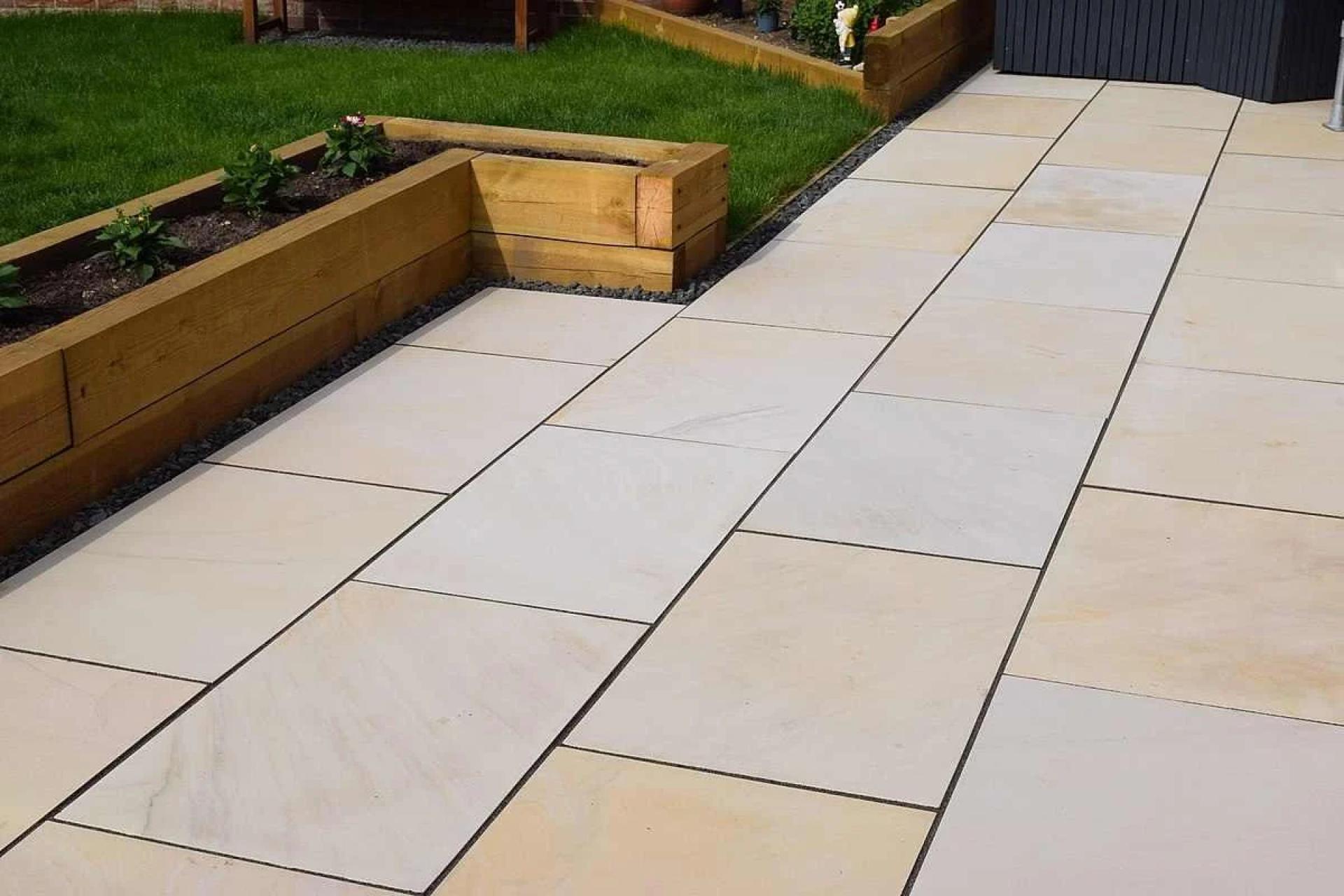

Choosing the wrong paving material can cost you more than money. Poor-quality slabs crack, fade, shift out of place, and demand constant repairs. Over time, what looked good on day one becomes a maintenance headache.
That’s why many homeowners, contractors, and designers turn to Indian Sandstone Slabs. Known for strength, natural beauty, and long-term performance, they offer a reliable option for creating outdoor spaces that look good and last for years.
If you're planning a garden upgrade or managing a larger landscape project, this guide will help you make the right decision.
Why Indian Sandstone Slabs Are Ideal for Outdoor Landscaping
When you invest in outdoor paving solutions, durability and appearance matter equally. Indian Sandstone Slabs deliver both.
Natural Durability
Sandstone is formed over thousands of years under natural pressure. This makes it strong enough to handle foot traffic, garden furniture, and even light vehicle use. When installed correctly, it performs well as durable garden paving in residential and commercial spaces.
Unique Textures and Color Variations
Unlike concrete or manufactured tiles, sandstone patio slabs have natural color variations. Each slab has its own grain pattern and tone, giving your space character without looking artificial.
No two patios will look exactly the same.
Slip Resistance
Most natural riven finishes provide good grip underfoot. This makes the stone suitable for patios, pathways, and even pool surrounds where safety is important.
Weather-Resistant Stone
Indian sandstone performs well in hot summers, heavy rain, and cooler climates. It resists cracking under temperature changes and handles moisture effectively when installed with proper drainage.
Timeless Appeal
Whether you prefer rustic landscape design or a clean contemporary look, sandstone fits naturally. It works well alongside brick homes, modern renders, and traditional architecture.
Types and Finishes Available in Indian Sandstone Slabs
Understanding your options helps you avoid installation issues later.
Calibrated vs. Non-Calibrated Slabs
Calibrated slabs are machine-cut to a consistent thickness. This makes installation easier and faster because the base preparation can be more precise.
Non-calibrated slabs vary slightly in thickness. They may cost less but require more skill and time during installation. If you’re working on a large project or tight schedule, calibrated options are usually more practical.
Popular Color Choices
Indian sandstone comes in several well-known shades:
- Kandla Grey – Clean, modern, and neutral
- Raj Green – A mix of greens, browns, and subtle greys
- Autumn Brown – Warm earthy tones with rich variation
Your choice should complement your home’s exterior and garden design. Lighter shades brighten small spaces, while darker tones create contrast and depth.
Natural Riven vs. Honed Finish
- Natural riven finish has a textured surface and traditional look. Ideal for rustic landscape design.
- Honed finish is smoother and more contemporary. It suits modern outdoor paving solutions but may require extra slip consideration in wet areas.
Where Indian Sandstone Slabs Work Best
One reason Indian Sandstone Slabs are so popular is their flexibility.
Patios
Sandstone patio slabs create welcoming outdoor seating areas. The natural tones pair well with wood, metal, and rattan furniture.
Garden Pathways
For walkways, sandstone offers stability and visual flow. The variation in color prevents the space from looking flat or artificial.
Driveways
Thicker slabs can be used for light-use driveways when laid on a strong sub-base. Proper installation is essential here.
Courtyards
In enclosed spaces, sandstone adds warmth and texture without overpowering the design.
Pool Surrounds
With the right finish and sealing, sandstone works well around pools. Its natural grip and weather-resistant stone properties make it a practical choice.
Installation and Maintenance Tips for Long-Lasting Results
Even the best stone fails without proper groundwork.
Proper Base Preparation
A solid sub-base is critical. Typically, this includes a compacted hardcore layer followed by a sharp sand or mortar bed. Skipping this step leads to movement and uneven surfaces.
Sealing Recommendations
While not always mandatory, sealing Indian Sandstone Slabs helps reduce staining from leaves, food, and moisture. It also enhances the stone’s natural colors.
Cleaning Methods
Avoid harsh chemicals. Regular sweeping and occasional washing with mild detergent and water are usually enough. Pressure washing should be done carefully to avoid damaging joints.
Jointing Considerations
Use high-quality jointing compound or mortar to prevent weed growth and water penetration. Poor joints often cause long-term issues.
Drainage Matters
Always plan for slight slopes so water drains away from buildings. Standing water can reduce the lifespan of any natural stone paving.
How to Choose the Right Indian Sandstone Slabs for Your Project
Making the right choice depends on more than color.
Thickness Selection
For patios and pathways, standard thickness often works well. For driveways or heavy-use areas, choose thicker slabs designed for load-bearing.
Climate Suitability
If you live in an area with heavy rainfall, focus on proper sealing and drainage. In hot regions, lighter colors may stay cooler underfoot.
Matching Your Home Exterior
Look at your brickwork, wall finishes, and roof color. Neutral tones like Kandla Grey suit modern homes, while Raj Green complements traditional designs.
Budget Planning
Indian Sandstone Slabs offer strong value compared to many imported or manufactured options. Still, factor in installation costs, sealing, and long-term maintenance when budgeting.
Hire Experienced Installers
Natural stone requires skill. An experienced installer ensures level surfaces, proper jointing, and correct base preparation. This protects your investment.
Also Read: Are Kandla Grey Porcelain Slabs a Good Choice for Low-Maintenance Paving?
Final Thoughts
When planned and installed properly, Indian Sandstone Slabs offer durability, natural beauty, and reliable performance. They provide weather-resistant stone strength while enhancing the overall character of your outdoor space.
If you want natural stone paving that balances practicality with visual appeal, Indian Sandstone Slabs are a smart, long-term choice. With the right selection and installation approach, you can create a landscape that stays strong and attractive for years to come.
























Sign in to leave a comment.