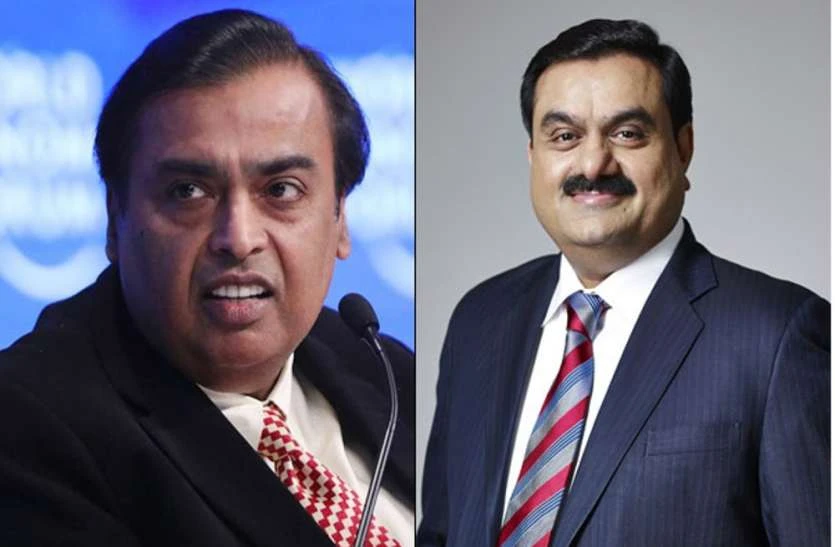

For seasoned players like Adani, Ambani and Tata, among others, a booming smartphone and apps market holds a promising opportunity that could pay off spectacularly
The digital revolution has really taken hold of India, driving the app and smartphone markets to record impressive figures. The penetration of the smartphone in the Indian market has been stunning, to say the least, with reports suggesting a record high of 173 million units by 2021. The internet adoption rates have been equally impressive, touching 624 million users in January 2021 – a 47 million increase over last year’s figures.
It, therefore, comes as no surprise that most companies are going the digital route to explore new avenues for growth or to keep up with the times. Although the Government’s Digital India plan kicked off the digitalization spree, it was the year-and-half-long pandemic that really got the ball rolling. Suspension of normal economic activities meant that the smartphone and its various apps took the center stage. For seasoned players like Adani, Ambani and Tata among others, this was a promising opportunity that could pay out spectacularly. Consequently, these companies started investing in the new app market and at one point, every other player announced an in-house ‘superapp’ that the company was working on.
The country’s smartphone adoption rates have been incredible and will reach 84 per cent in the next 4-5 years according to a recent report. This means an additional 190 million new internet subscribers by 2025. India is a mobile-first market, with 93 per cent of all the internet engagement coming through mobile. This sums up the close ties the smartphone market has with the growing app market. A large smartphone user base translates to more internet users who have access to apps offered in the market. Keeping this in mind, big fishes like Adani and Ambani are tailoring the offerings of their digital operations to include both hardware and software solutions.
Creating new apps and in particular, a ‘superapp’, has become the latest fad amongst Indian companies. The pandemic demonstrated the capability possessed by mobile apps when it came to connecting business and the consumer. Customers were still able to access the market despite lockdown measures and enabled businesses to stay afloat through tough times. The Adani Group even took this opportunity to announce the launch of its digital wing, Adani Digital Lab. The proposed superapp will provide the ports-to-power conglomerate a common platform where its 400 million-plus consumers can access its services. Other than Adani, Ambani and Tata announced their own versions too, with the same intent and purposes.
The Indian smartphone industry is predicted to sell over 49.9 million units in the October-December quarter. The business alone will be worth a whopping Rs. 1.252 billion ($16.9 billion. The prevalence of online shopping and apps will drive sales and the premium segment – Rs. 25,000 to Rs. 50,000 – expected to contribute almost 51.7 per cent of the total revenue. Judging from the way smartphone penetration rates reached 54 percent in 2020 alone, reports indicate that by 2040 penetration rates would touch 94 per cent. This bodes well for the smartphone and app industry in India and aligns perfectly with the Centre’s Digital India programme.


























Sign in to leave a comment.