

LED video walls have become a powerful visual tool for brands, retailers, events, and public spaces. But one of the most common questions businesses face before investing is simple yet critical: Should you choose an indoor or an outdoor LED video wall?
While both serve the same core purpose delivering impactful visual communication their design, performance, and use cases are very different. Choosing the wrong type can affect visibility, durability, and return on investment. This guide breaks down the key differences to help you decide what actually fits your needs.
Understanding the Core Difference
The main distinction between indoor and outdoor LED video walls lies in where and how they operate.
- Indoor LED video walls are designed for controlled environments such as stores, malls, offices, showrooms, and auditoriums.
- Outdoor LED video walls are built to perform in open environments, exposed to sunlight, weather, and temperature changes.
Each is engineered with specific technical and visual priorities.
Brightness and Visibility
Brightness is one of the most important differences.
Indoor LED Video Walls
Indoor screens operate in environments with controlled lighting. They use moderate brightness levels that are comfortable for viewers and prevent eye strain.
They work best in:
- Retail stores
- Corporate offices
- Conference halls
- Control rooms
- Indoor events and exhibitions
These screens prioritize clarity, colour accuracy, and visual comfort.
Outdoor LED Video Walls
Outdoor screens must compete with direct sunlight. As a result, they are significantly brighter to ensure visibility during daytime.
They are ideal for:
- Building facades
- Roadside advertising
- Stadiums
- Public squares
- Outdoor events
Without high brightness, outdoor content becomes unreadable, which is why indoor screens are never suitable for outdoor use.

Pixel Pitch and Viewing Distance
Pixel pitch refers to the distance between LED pixels and directly affects image quality.
Indoor LED Video Walls
Indoor environments usually involve close viewing distances. Indoor LED walls therefore have smaller pixel pitch, allowing sharper images and detailed content.
They are perfect for:
- Product videos
- Presentations
- Text heavy visuals
- High resolution branding
Smaller pixel pitch ensures smooth visuals even from a few feet away.
Outdoor LED Video Walls
Outdoor screens are typically viewed from farther distances. They use larger pixel pitch, which is efficient for long range visibility.
From a distance, the human eye blends pixels naturally, making outdoor content appear sharp without needing ultra fine resolution.
Weather Resistance and Durability
This is where the two types differ dramatically.
Indoor LED Video Walls
Indoor LED walls are not built to handle moisture, dust, or temperature fluctuations. They rely on stable conditions to function optimally.
Using them outdoors even temporarily can lead to:
- Screen damage
- Electrical failure
- Shortened lifespan
Outdoor LED Video Walls
Outdoor LED walls are engineered for durability. They include:
- Waterproof and dustproof enclosures
- Heat dissipation systems
- Protection against rain, wind, and pollution
They are designed to run continuously in harsh conditions without performance loss.
Installation and Structural Requirements
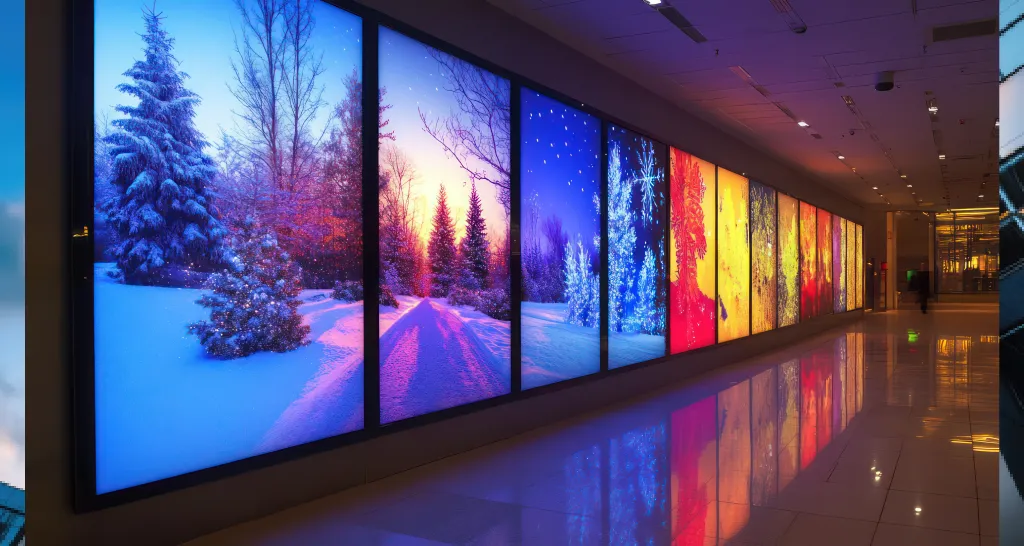
Indoor LED Video Walls
Indoor installations are relatively simpler. They are often:
- Wall mounted
- Hung from ceilings
- Integrated into interior architecture
They require less structural reinforcement and are easier to maintain.
Outdoor LED Video Walls
Outdoor installations demand stronger planning. They often involve:
- Steel structures
- Wind load calculations
- Electrical safety measures
- Compliance with local regulations
This makes outdoor setups more complex and cost intensive.
Content Type and Usage Goals
Your content strategy plays a big role in choosing the right LED wall.
Indoor Use Cases
Indoor LED video walls are ideal when the goal is:
- Enhancing customer experience
- Educating visitors
- Supporting sales conversations
- Strengthening brand environment
They often display detailed visuals, storytelling content, and brand-driven messaging.
Outdoor Use Cases
Outdoor LED video walls focus on:
- Mass visibility
- Instant message delivery
- Brand awareness
- Event promotion
Outdoor content is usually bold, simple, and designed for quick understanding.
Cost Considerations
Indoor LED Video Walls
Generally more affordable due to:
- Lower brightness requirements
- Smaller structural needs
- Simpler installation
They are a cost-effective choice for businesses focused on in space engagement.
Outdoor LED Video Walls
Outdoor LED walls cost more because of:
- Higher brightness technology
- Weatherproofing
- Structural and safety requirements
However, they deliver wider reach and higher exposure, especially in high traffic locations.
Maintenance and Lifespan
- Indoor LED walls typically require minimal maintenance in stable environments.
- Outdoor LED walls require periodic inspections due to exposure but are built to handle long term use.
Choosing the correct type ensures better performance and longer operational life.
Which One Is Right for You?
Choose an indoor LED video wall if:
- Your audience views the screen from close range
- The environment is climate controlled
- You want high detail visuals and storytelling
Choose an outdoor LED video wall if:
- The screen must be visible in sunlight
- It will face weather exposure
- Your goal is maximum public visibility
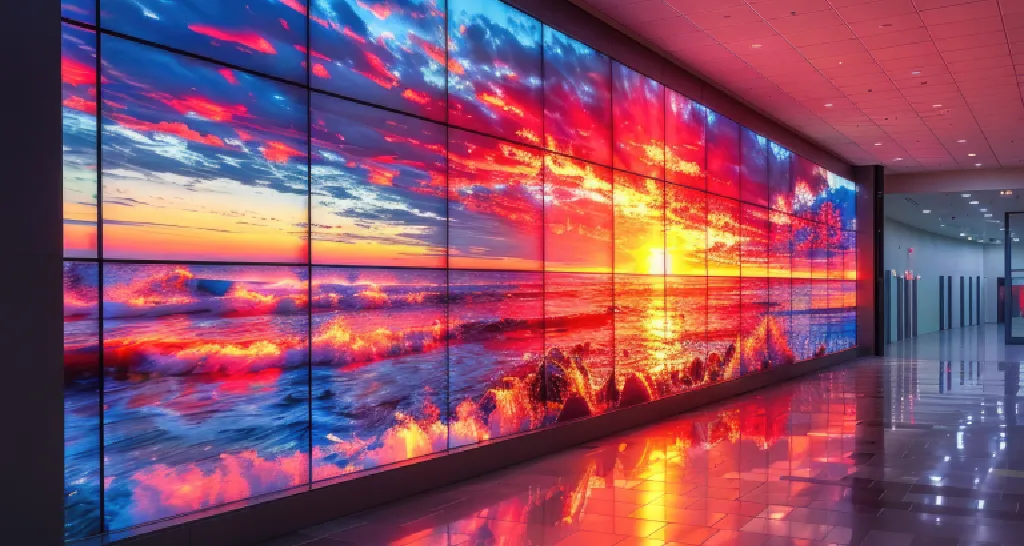
Some large brands even use both, creating a seamless visual journey from outdoor attraction to indoor engagement.
Final Thoughts
Indoor and outdoor LED video walls are built for different purposes, environments, and expectations. The right choice depends on where your audience is, how they interact with your message, and what kind of impact you want to create.
Instead of asking which option is better, the smarter question is: Which one fits your space, content, and goals?
When chosen correctly, an LED video wall becomes more than a screen it becomes a powerful communication asset.


























Sign in to leave a comment.