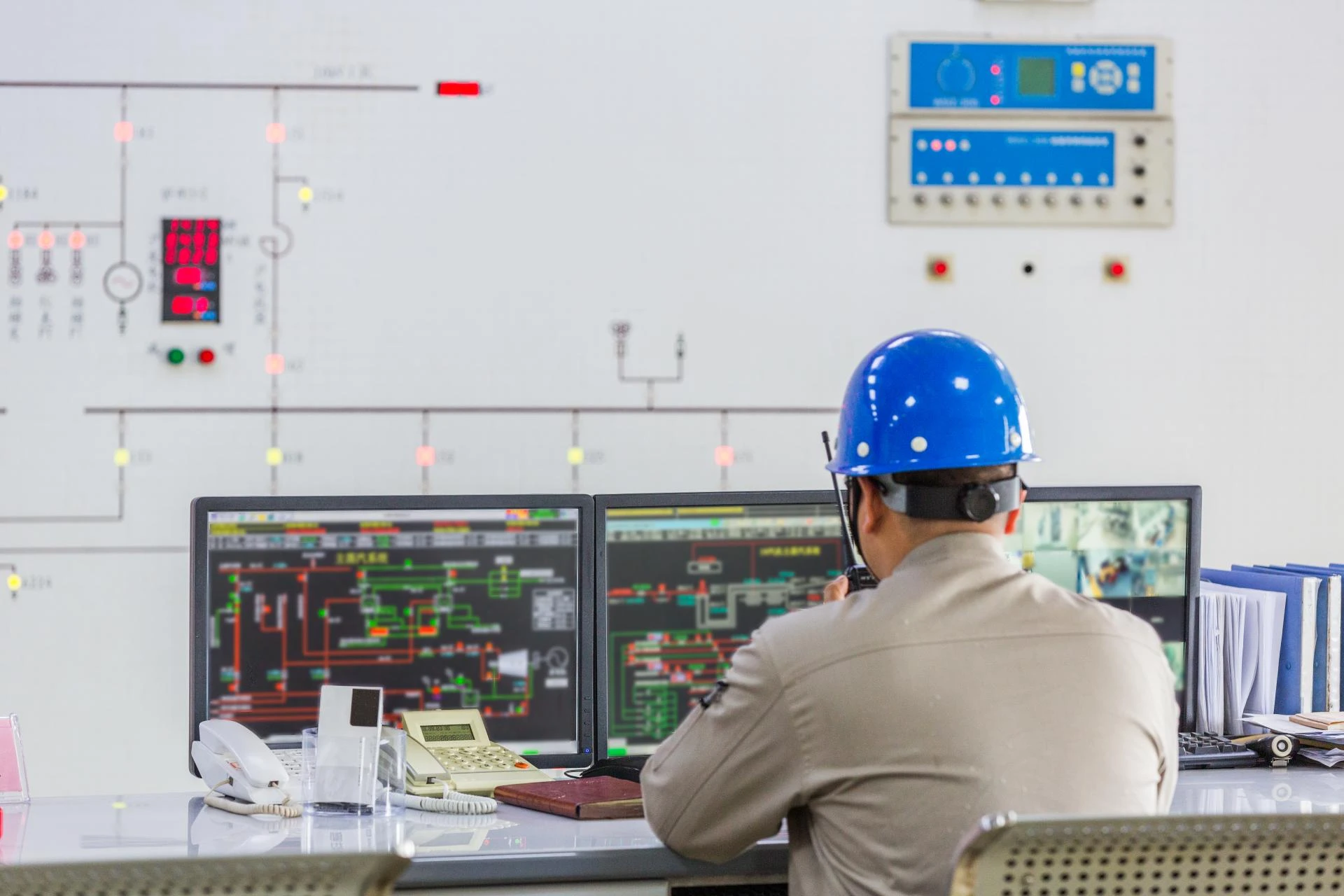

Industrial operations are becoming more connected than ever. Machines communicate with each other, sensors stream real-time data, and control systems depend on uninterrupted communication. Yet, every industrial facility is different. Some environments demand rugged wired networks, some rely on wireless mobility, and others need a hybrid approach that blends the strengths of both.
Choosing the right connectivity model wired, wireless, or hybrid) directly impacts reliability, speed, and long-term scalability. Whether you're upgrading a plant network or building a new automation layer, understanding these options helps you design a communication infrastructure that stays stable under any condition.
This guide breaks down each connectivity approach using real scenarios and solutions aligned with the offerings at ITG India.
1. Wired Connectivity: Stability, Speed, and Noise Immunity
Wired communication remains the backbone of industrial automation because of its reliability.
In factories with heavy machinery, electrical noise, and long operating hours, wired networks maintain stable and predictable performance.
The most widely used wired solution today is Industrial Ethernet, made even stronger through rugged hardware like managed switches.
Managed Ethernet Switches for Industrial Networks
Managed switches offer:
- VLAN segmentation
- Redundancy protocols
- Traffic prioritization
- Network diagnostics
- High reliability in harsh environments
For robust wired connectivity, explore ITG India’s industrial switch portfolio:
These switches are built for extreme temperatures, vibrations, and 24/7 operation. Ideal for SCADA systems, control rooms, machine-to-machine communication, and robotics.
Serial-to-Ethernet When You’re Upgrading Legacy Systems
Many factories still use serial-based equipment (RS-232/422/485).
Instead of replacing expensive machinery, you can bridge the old and new world using Serial-to-Ethernet converters.
They allow:
- Legacy serial devices to connect to modern Ethernet networks
- Remote monitoring of machines
- Centralized control without rewiring
Explore options here:
This keeps your older equipment relevant while moving toward Industry 4.0.
2. Wireless Connectivity: Flexibility and Freedom of Movement
Wireless technologies bring agility to industrial environments, especially where cabling is impractical or mobile assets are constantly moving.
Wireless networks are helpful for:
- AGVs (Automated Guided Vehicles)
- Remote monitoring
- Outdoor infrastructure
- Temporary or expanding layouts
- Remote stations far from the main control room
4G/5G Industrial Connectivity for High-Speed Mobility
Modern factories increasingly use 4G/5G cellular connectivity because it delivers high bandwidth, low latency, and reliable communication across large areas.
Industrial 4G/5G solutions enable:
- High-speed data for remote PLCs and sensors
- Video streaming from inspection systems
- Field connectivity for hard-to-wire zones
- Redundancy when Ethernet lines fail
Explore ITG India’s cellular connectivity range:
Cellular Industrial Solutions
These solutions are built for rugged deployments and can power advanced applications like predictive maintenance, remote diagnostics, and IIoT platforms.
3. Hybrid Connectivity: The Best of Wired and Wireless
Many facilities discover that the best network isn't purely wired or wireless—it’s a combination of both.
Hybrid connectivity creates a layered system where wired Ethernet handles core communication and wireless fills operational gaps.
Where Hybrid Works Best
A hybrid model is ideal when:
- Some machines need stable, low-latency wired links
- Certain equipment (like mobile robots) requires wireless mobility
- You want redundancy through alternate pathways
- You’re transitioning from legacy systems to modern ones
- Outdoor and indoor networks must communicate seamlessly
What a Hybrid Network Looks Like in Practice
Core network:
Managed industrial Ethernet switches connect critical machines, PLCs, and SCADA systems.
Wireless layer:
4G/5G connectivity or industrial Wi-Fi handles mobile devices, remote assets, or outdoor equipment.
Integration layer:
Serial-to-Ethernet devices connect older machines to the Ethernet backbone.
Hybrid networks provide both stability and flexibility—ensuring communication continues smoothly even if one layer is interrupted.
4. How to Choose the Right Approach for Your Facility
Selecting the correct connectivity model depends on operational goals, existing equipment, and environmental challenges.
Choose Wired If:
- Your environment has high electromagnetic interference
- You need real-time control with low latency
- Machines are stationary
- Long-term stability is a priority
Choose Wireless If:
- Your layout changes frequently
- Equipment moves around the facility
- Cabling is expensive or impractical
- You need remote or outdoor connectivity
Choose Hybrid If:
- You want the performance of wired + the flexibility of wireless
- You’re preparing for Industry 4.0 upgrades
- You want redundancy to prevent communication failures
- Legacy and new systems must coexist smoothly
80-Word Bridge Before FAQs
Industrial connectivity isn’t one-size-fits-all. The right solution balances performance, reliability, and flexibility based on how your machines and systems work together. Whether you rely on wired Ethernet switches, wireless 4G/5G connectivity, or hybrid integration through serial-to-Ethernet technology, the goal is the same: consistent communication across every layer of your operation. A thoughtfully designed network reduces downtime, strengthens automation, and prepares your facility for the next stage of digital transformation.
Frequently Asked Questions
Which is better for industrial networks: wired or wireless?
Both have benefits. Wired offers stability and low latency, while wireless is ideal for mobility and remote access. Many industries use a hybrid approach.
What is a Managed Ethernet Switch used for?
It manages traffic, improves security, creates VLANs, and ensures reliable communication across industrial systems.
Why use Serial-to-Ethernet converters?
They allow older serial-based machinery to connect to modern Ethernet networks without replacing existing equipment.
Is 5G useful for industrial automation?
Yes. 5G supports high-speed, low-latency data needed for remote equipment, sensors, monitoring, and mobile robots.
Do wireless networks replace wired systems completely?
Not usually. Most modern plants use hybrid systems to ensure stability, redundancy, and flexibility.
































Sign in to leave a comment.