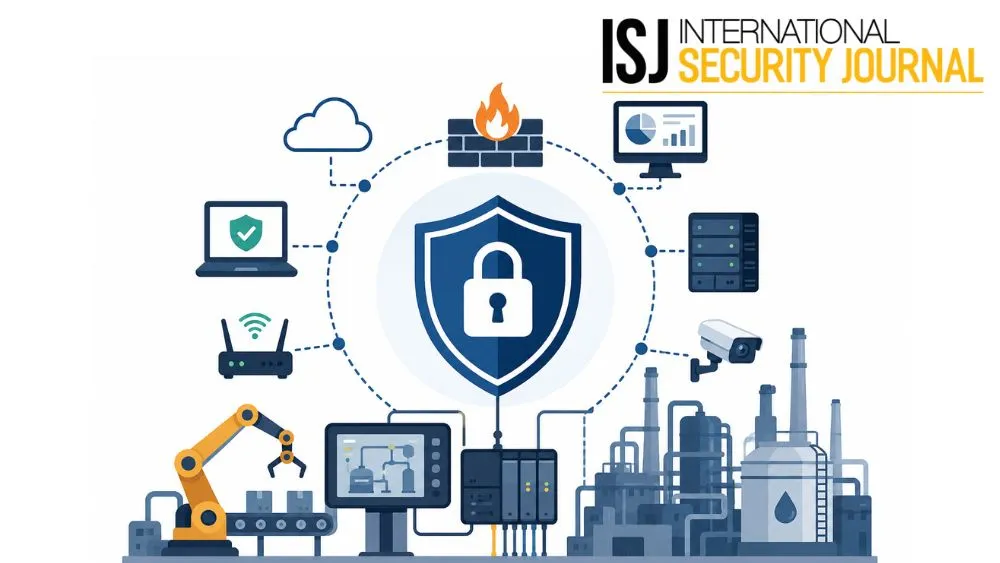

Industrial Control System (ICS) security has become a core pillar of modern industrial operations. As industries move toward digitization, automation, and interconnected ecosystems, the attack surface has expanded dramatically. Critical infrastructure—such as power grids, manufacturing plants, water treatment facilities, and oil refineries—now depends heavily on digital control systems that are constantly exposed to cyber risks.
Unlike traditional IT environments, ICS environments directly control physical processes. This means a cyberattack is not just a data breach—it can translate into equipment failure, production shutdowns, environmental damage, or even threats to human safety.
This blog breaks down the key risks, emerging threats, and proven strategies required to secure Industrial Control Systems in today’s evolving threat landscape.
What Is Industrial Control System Security?
Industrial Control System security refers to the protection of systems that monitor and control physical industrial processes. These systems include SCADA, PLCs, and DCS environments that operate critical infrastructure.
ICS security focuses on three primary objectives:
- Ensuring continuous system availability
- Protecting operational integrity
- Preventing unauthorized access to physical processes
Unlike traditional cybersecurity, which prioritizes data confidentiality, ICS security prioritizes safety and uptime above all else.
Key environments that rely on ICS security include:
- Power generation and distribution systems
- Oil and gas production facilities
- Manufacturing and production lines
- Water treatment and distribution systems
- Transportation control systems
A failure in any of these systems can lead to real-world consequences beyond digital disruption.
Key Risks in Industrial Control System Security
Industrial environments face a unique set of risks due to legacy systems, operational constraints, and increasing connectivity.
1. Legacy Infrastructure Vulnerabilities
- Many ICS environments run outdated systems not designed for modern threats
- Lack of encryption, authentication, and patch support
- Difficult to upgrade without operational disruption
2. IT and OT Convergence Risks
- Increasing integration between IT networks and operational technology
- Attackers can move laterally from IT systems into OT environments
- Weak segmentation creates entry points for attackers
3. Weak Authentication and Access Control
- Use of default credentials in industrial devices
- Poor password policies in legacy systems
- Lack of multi-factor authentication
4. Patch Management Limitations
- Industrial systems cannot afford frequent downtime
- Security patches are often delayed or skipped
- Known vulnerabilities remain exploitable for long periods
5. Third-Party and Remote Access Exposure
- Vendors accessing systems remotely introduce external risk
- Poorly secured VPNs and remote tools become attack vectors
- Limited visibility into third-party activity
6. Insider Threats
- Employees with excessive privileges can unintentionally or intentionally cause damage
- Lack of monitoring increases risk of internal misuse
Major Cyber Threats Targeting ICS Environments
ICS environments are high-value targets for cybercriminals and nation-state attackers due to their critical importance.
Malware and Ransomware Attacks
- Designed to disrupt industrial operations
- Can halt production lines or lock control systems
- Often used for financial extortion
Advanced Persistent Threats (APTs)
- Long-term, stealthy infiltration of industrial systems
- Used for espionage or sabotage
- Difficult to detect due to low visibility in OT environments
Phishing-Based Entry Attacks
- Human error remains a major entry point
- Attackers target employees to gain system access credentials
Supply Chain Attacks
- Compromised software or vendor updates introduce hidden vulnerabilities
- Difficult to detect due to trusted source exploitation
Remote Access Exploits
- Weakly secured remote connections provide direct entry points
- Often targeted in hybrid IT-OT environments
Why ICS Security Is Critical for Industrial Operations
The importance of ICS security goes beyond cybersecurity—it directly impacts operational continuity and physical safety.
A breach can lead to:
- Complete shutdown of industrial operations
- Equipment damage and costly downtime
- Environmental hazards such as chemical leaks or contamination
- Safety risks for workers and surrounding communities
- Large-scale financial losses
As industrial systems become more connected, isolation is no longer a viable defense strategy.
Proven Protection Strategies for ICS Security
A strong ICS security framework relies on layered defense and continuous monitoring.
1. Network Segmentation
- Separate IT and OT environments
- Restrict communication between critical systems
- Use secure zones and controlled gateways
2. Industrial Demilitarized Zone (DMZ)
- Acts as a buffer between corporate and operational networks
- Controls data flow and reduces direct exposure
- Limits attacker lateral movement
3. Strong Access Control Policies
- Implement role-based access control (RBAC)
- Enforce multi-factor authentication (MFA)
- Remove default credentials immediately
4. Continuous Monitoring and Anomaly Detection
- Monitor system behavior in real time
- Detect unusual activity or unauthorized changes
- Use OT-specific intrusion detection systems
5. Patch and Vulnerability Management
- Develop controlled patch deployment strategies
- Prioritize critical vulnerabilities
- Test updates before production deployment
6. Secure Remote Access Management
- Use VPNs with strict authentication
- Monitor all third-party access sessions
- Limit access based on necessity and time
7. Employee Security Awareness Training
- Train staff to identify phishing attempts
- Educate teams on operational security risks
- Promote a security-first culture in industrial environments
Security Standards and Frameworks for ICS Protection
Organizations should align with globally recognized security frameworks:
- IEC 62443 – Dedicated standard for industrial automation and control security
- NIST Cybersecurity Framework – Risk-based approach for critical infrastructure
- ISO/IEC 27001 – Information security management standard applicable to industrial environments
These frameworks provide structured guidance for building resilient ICS security programs.
Future of Industrial Control System Security
ICS security is rapidly evolving due to digital transformation and emerging technologies.
Key future trends include:
- Adoption of Zero Trust Architecture in industrial networks
- Use of AI-driven threat detection systems
- Cloud-based monitoring of industrial operations
- Predictive analytics for identifying vulnerabilities before exploitation
- Increased global regulation of critical infrastructure cybersecurity
The industry is shifting from reactive defense to predictive and automated protection models.
Conclusion
Industrial system protection is no longer optional—it has become a critical requirement for operational continuity and business survival. As industrial environments grow increasingly interconnected and digitally dependent, exposure to sophisticated cyber threats continues to rise at a significant pace.
Organizations must implement a layered defense strategy, enforce strict identity and access controls, and maintain continuous monitoring across all operational systems to minimize risk exposure. Established standards such as IEC 62443 and frameworks like NIST Cybersecurity Framework provide a strong structural foundation; however, true resilience is achieved only through consistent execution, proactive risk management, and ongoing security maturity improvements.
As highlighted by the International Security Journal, modern industrial ecosystems demand a shift in perspective—cybersecurity is no longer just an IT function, but a fundamental operational safety and resilience requirement embedded within core industrial strategy.
FAQs
1. Why are industrial control systems more vulnerable to cyberattacks than traditional IT systems?
Industrial control systems are often built for long-term operational stability rather than cybersecurity. Many run legacy software, lack modern encryption, and cannot be frequently patched due to uptime requirements, making them more exposed to cyber threats.
2. What happens if a cyberattack targets an industrial control environment?
A successful attack can go beyond data loss and directly impact physical operations. It may cause production shutdowns, equipment damage, safety incidents, environmental hazards, and significant financial losses due to downtime and recovery efforts.
3. How does network segmentation improve security in industrial environments?
Network segmentation separates critical operational systems from corporate IT networks. This limits an attacker’s ability to move across systems and reduces the risk of a small breach escalating into a full-scale operational disruption.
4. What is the role of employee awareness in protecting industrial systems?
Employees play a key role in preventing attacks such as phishing and social engineering. Proper training helps staff recognize suspicious activity, follow secure practices, and reduce the chances of accidental security breaches in operational environments.



















Sign in to leave a comment.