
Why Industrial-Grade Computing Matters?
Modern businesses ranging from automation and manufacturing to transportation and energy rely heavily on reliable and efficient computing. As the business model evolves towards automated processes, AI integration, and real-time processing of data, the need for high-performance, reliable hardware is becoming more important. This is why investing in a durable computer for industrial use becomes vital.
What Makes an Industrial Server Computer Unique?
The industrial server computers are specially-designed systems designed to withstand harsh environments and deliver continuous, long-term performance.
In contrast to commercial servers systems are reliable even in the presence of:
- High temperatures and high humidity
- Dust and dirt, as well as airborne contaminants
- Vibration and shock
- Electromagnetic interference
- 24/7 duty cycles
Rugged Design for Extreme Industrial Conditions
Industrial servers are built with tough components, industrial grade motherboards and a cooling system that is optimized. This helps ensure stability and avoids downtime, which is essential when just a few minutes of interruption could cost companies hundreds of thousands in production loss.
Why Industrial Servers offers Long Lifecycle Support?
In contrast to consumer hardware, which is rapidly obsolete industrial systems provide extended lifecycle support and availability of the product. This allows businesses to streamline their processes without having to make frequent replacement of hardware.
Industrial Server PCs for Modern Factory Operations
How Industrial Servers Support Automation and Smart Manufacturing?
Machine vision, industrial automation and robotics require high-performance computing platforms. Industrial Server PC provides high processing speeds, GPU acceleration, and I/O capabilities that are required to accommodate:
- Machine learning models
- AI-based quality inspection
- Control systems for robots
- High-speed data acquisition
Industrial Server PCs for Real-Time Edge Decisions
With edge computing emerging as the foundation for Industry 4.0, industrial servers allow computation to be closer to the source, reducing the time to respond and providing instantaneous responses in mission-critical situations.
Industrial Server PCs for Improved Security
Industrial environments are becoming major areas of cyberattacks.
A reliable industrial server has:
- Hardware-level security
- Secure boot
- Firmware updates for the long term.
- Data encryption
This guarantees operational integrity and safeguards industrial systems that are sensitive.
Improving Efficiency and ROI with Industrial Servers
1.Scalable Industrial Server Solutions for Growth
Industrial server platforms enable businesses to grow as their requirements grow.
Through modular design, companies can change their server platforms:
- CPUs
- Memory
- Storage
- I/O cards
- Fieldbus interfaces
2.Minimized Maintenance and downtime
The robust design and reliability make it less prone to repairs, failures and unexpected breakdowns, thereby increasing profitability.
Which Industrial Server PC Service Should You Choose?
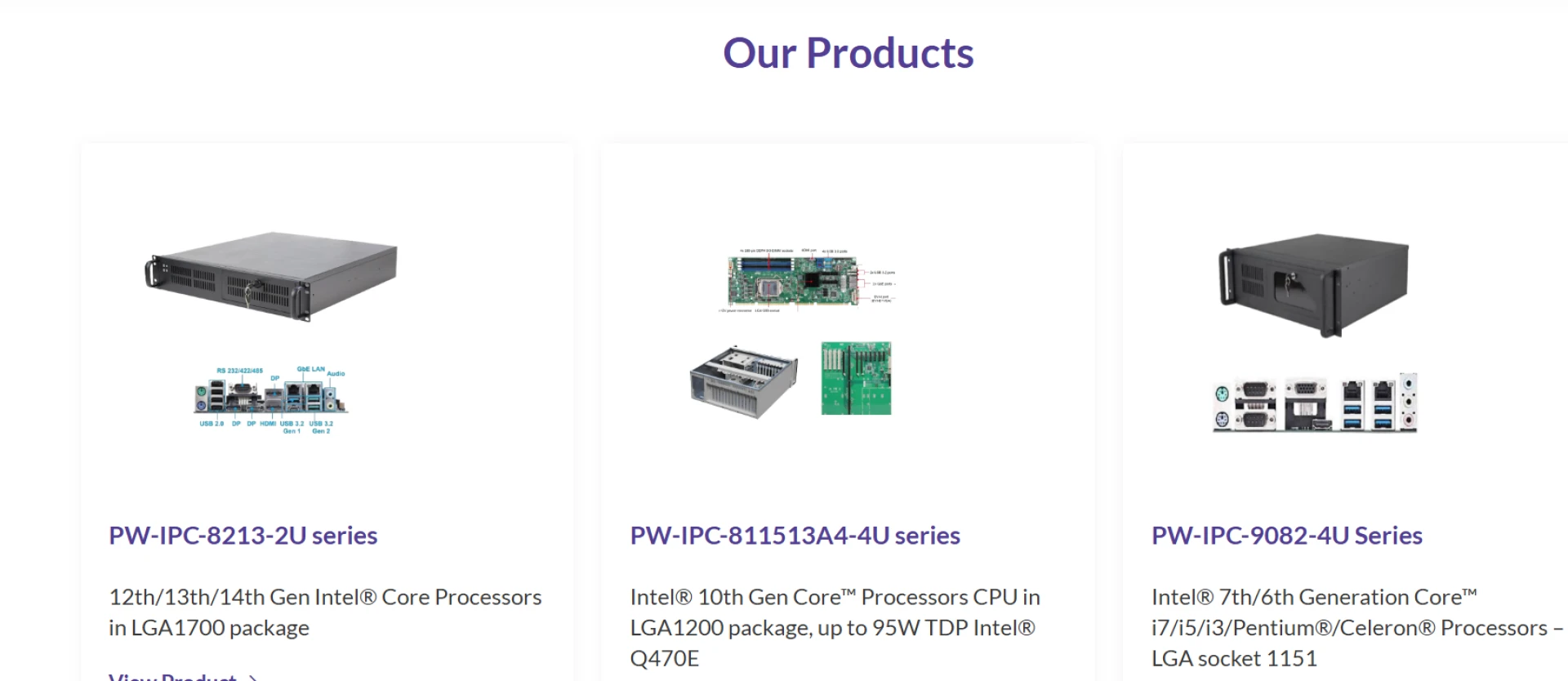
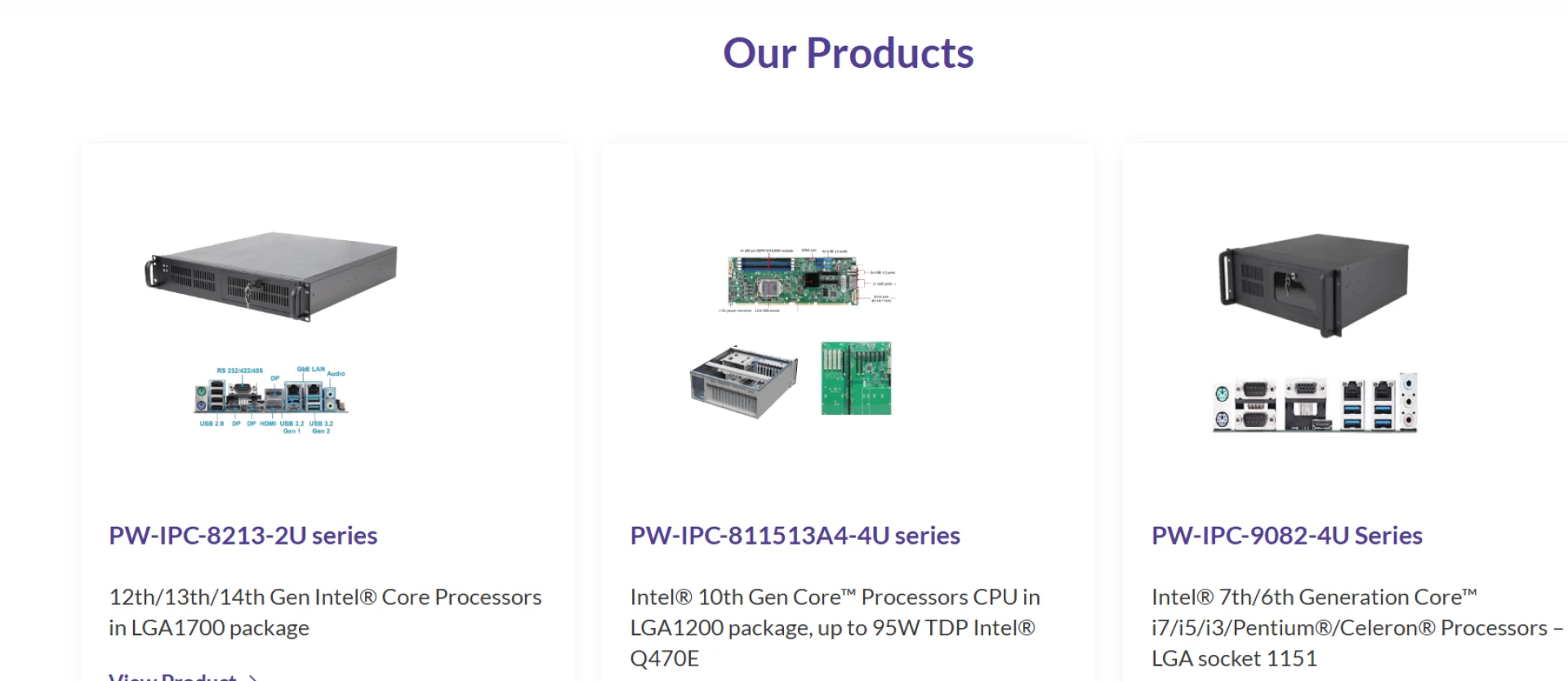
Portwell's Industrial PCs and Servers have been specifically designed to meet the demands of modern industries.
With flexible solutions, high-reliability, and solid technological support Portwell assists businesses in transitioning seamlessly into digital, automated and AI-powered processes.





Sign in to leave a comment.