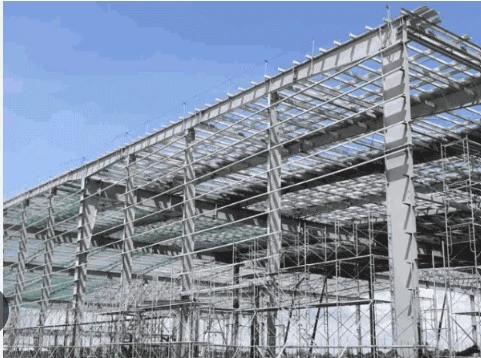
Industrial Steel Building solutions are transforming the construction landscape by offering durability, speed, and cost-effectiveness. From manufacturing plants and warehouses to logistics hubs and workshops, these steel-based buildings provide flexible, long-lasting solutions for industrial and commercial applications. With rising demand for rapid construction and sustainable infrastructure, industrial steel building systems are becoming the preferred choice for modern projects.
This guide explores the advantages, applications, design considerations, and maintenance of industrial steel buildings, highlighting why they outperform traditional construction methods.
What Is an Industrial Steel Building?
An industrial steel building is a structure primarily constructed from steel components, including columns, beams, trusses, and wall panels. These structures rely on a steel framework for support, allowing for large open spaces, high ceilings, and heavy load-bearing capacity.
Industrial steel buildings can be pre-engineered or custom-designed to meet specific operational requirements, making them ideal for various industrial applications.
Core Components
- Steel columns and beams
- Roof trusses and purlins
- Wall panels
- Bracing systems
- Anchoring systems
These elements work together to provide structural integrity, safety, and long-term reliability.
Advantages of Industrial Steel Buildings
Industrial Steel Building provide several benefits compared to traditional brick-and-concrete construction.
1. High Strength and Durability
Steel offers exceptional strength-to-weight ratio, ensuring industrial steel framed buildings can withstand heavy machinery, harsh weather, and seismic activity.
2. Rapid Construction
Prefabricated steel components allow for faster on-site assembly, significantly reducing project timelines.
3. Cost-Effectiveness
Lower labor costs, minimal material waste, and reduced maintenance requirements make industrial steel buildings more affordable over their lifespan.
4. Design Flexibility
Steel structures can be customized for wide spans, multi-story configurations, and future expansions.
5. Low Maintenance
Protective coatings and anti-corrosion treatments ensure minimal upkeep and long-term performance.
Applications of Industrial Steel Buildings
Industrial steel buildings are highly versatile and suitable for multiple sectors.
Warehouses
Large open interiors provide efficient storage and material handling.
Manufacturing Plants
Steel structures support heavy machinery, overhead cranes, and production lines.
Logistics Centers
High ceilings and wide entryways facilitate smooth loading, unloading, and storage operations.
Workshops and Service Centers
Steel-framed buildings provide safe and durable working environments.
Power Plants and Industrial Facilities
Industrial steel buildings can accommodate specialized equipment and operational requirements.
Industrial Steel Building vs Traditional Construction
When compared to conventional brick-and-concrete buildings, industrial steel structures offer:
- Faster construction due to prefabrication
- Greater load-bearing capacity and durability
- Easy expansion and modification
- Lower long-term maintenance costs
- Reduced environmental impact, as steel is recyclable
This combination of benefits makes industrial steel buildings a practical, future-ready solution for modern industries.
Design Considerations
Proper design ensures the efficiency, safety, and longevity of industrial steel buildings.
Structural Load Analysis
Engineers calculate wind, seismic, and operational loads to maintain structural stability.
Foundation Design
A strong foundation is essential to support steel columns and prevent settlement issues.
Insulation and Ventilation
Modern steel buildings incorporate thermal insulation and ventilation systems to enhance energy efficiency.
Compliance with Regulations
Adhering to local building codes ensures safety and legal approval for industrial operations.
Prefabrication and Modular Construction
Prefabrication is a key factor in modern industrial steel building projects. Components are manufactured in controlled environments, ensuring precision, consistent quality, and faster installation.
Benefits of Prefabrication
- Reduced on-site labor
- Accurate and high-quality components
- Shortened construction timelines
- Lower material waste
This method supports cost efficiency and sustainability in industrial construction.
Sustainability of Industrial Steel Buildings
Industrial steel buildings contribute to eco-friendly construction practices.
Environmental Benefits
- Steel is 100% recyclable
- Reduces construction waste
- Energy-efficient insulation systems
- Long service life minimizes resource consumption
Sustainable construction practices make steel buildings an attractive choice for environmentally conscious businesses.
Maintenance and Longevity
Industrial steel buildings are designed for long-term durability with minimal maintenance.
Maintenance Recommendations
- Inspect joints and bolts periodically
- Recoat steel surfaces when required
- Maintain roof and drainage systems
- Monitor structural elements for corrosion
With proper care, industrial steel buildings can last 40–60 years or more.
FAQs
1. What are industrial steel buildings used for?
They are used for warehouses, manufacturing plants, logistics centers, workshops, and industrial facilities.
2. How long do industrial steel buildings last?
With proper maintenance, they can last 40–60 years or longer.
3. Are industrial steel buildings eco-friendly?
Yes, steel is fully recyclable, reduces construction waste, and supports sustainable construction practices.
Conclusion
Industrial Steel Buildings provide modern, cost-effective, and durable solutions for a wide range of industrial and commercial applications. Their strength, adaptability, and rapid construction capabilities make them ideal for warehouses, factories, logistics centers, and heavy-duty operations.
With prefabrication, sustainability, and low maintenance requirements, industrial steel buildings offer a long-term, reliable infrastructure solution. As industries continue to grow and evolve, investing in industrial steel building systems ensures efficient, safe, and future-ready construction for decades to come.





























Sign in to leave a comment.