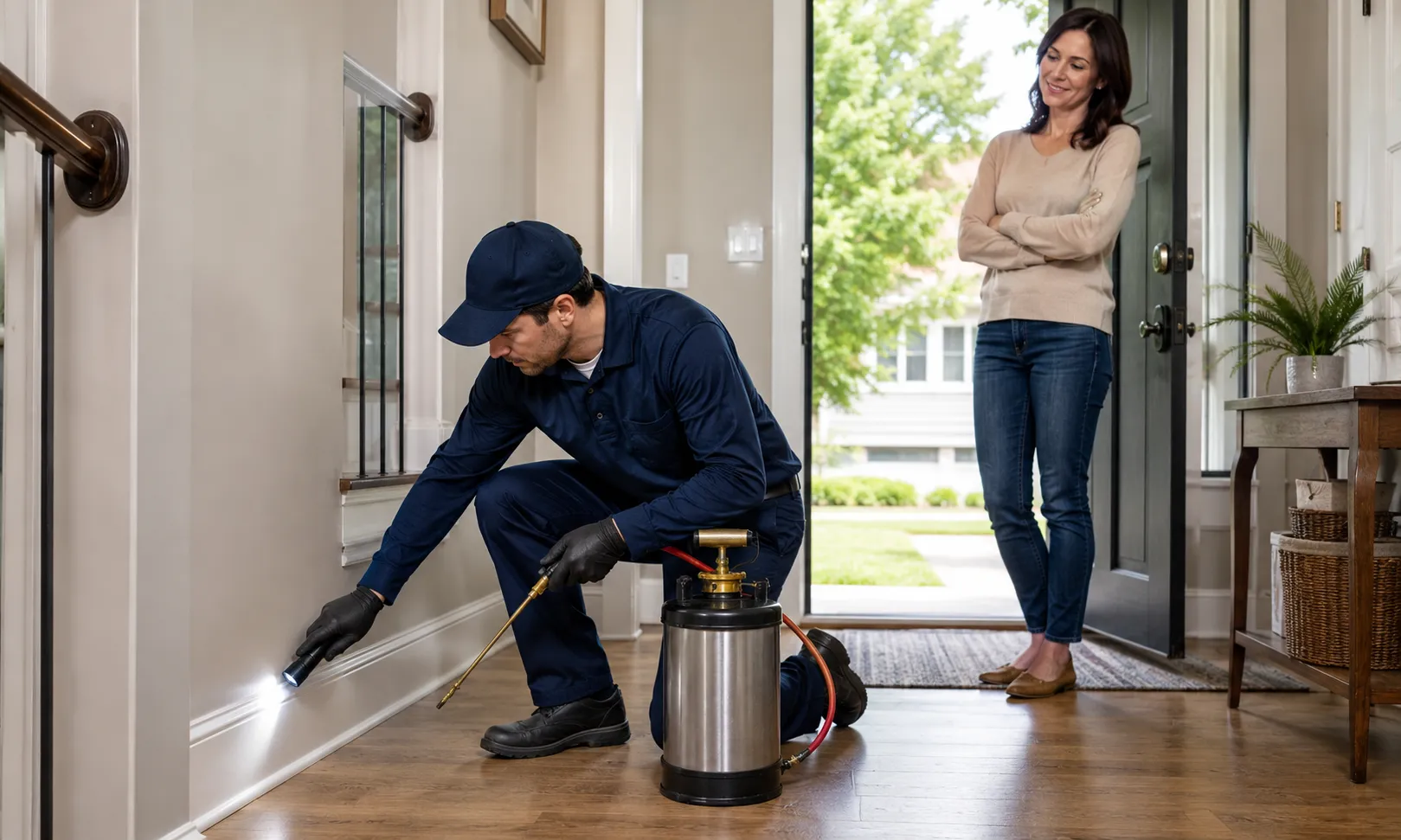

You spot one roach in the kitchen at 11 p.m. Or you hear scratching above the ceiling for the third night in a row. The first question almost everyone asks isn't "who do I call?" — it's "do I really need to pay someone for this?"
It's a fair question. Sprays and traps are cheap and sitting on a shelf twenty minutes away. Professional service costs more upfront. So is pest control worth it, or is it something you can handle on a Saturday afternoon?
This guide breaks down what professional treatment actually costs, where DIY genuinely works, where it quietly fails, and how to tell which situation you're in. No scare tactics — just what pest control technicians see in real homes, week after week.
The Short Answer: Is Pest Control Worth It?
For most homeowners, yes — professional pest control is worth the cost when you're dealing with a recurring problem, a pest that reproduces quickly, or an infestation that's already spread beyond one room. Nationally, homeowners commonly pay somewhere in the low hundreds for a standard treatment, while the damage from termites, rodents, or an untreated bed bug problem regularly climbs into the thousands.
For a single ant trail or one spider in the garage, DIY is usually fine.
The dividing line isn't the pest itself. It's whether the problem keeps coming back. If you've treated the same issue twice and it returned, you're not solving it — you're managing the symptoms.
What Professional Pest Control Actually Costs
Price is the reason most people hesitate, so let's put some context around it.
National Average Price Ranges
The figures below are national averages reported across the U.S. pest control industry — not our pricing. They're here to give you a general sense of scale before you start calling around. Actual cost depends heavily on your local market, your home, and how far the problem has progressed.
- One-time treatment: $150–$400, depending on pest and home size
- Initial service on a recurring plan: $150–$300, often discounted
- Quarterly service: $100–$180 per visit
- Monthly service: $40–$80 per visit
- Bed bug treatment: $500–$2,000+ (heat treatment sits at the high end)
- Termite treatment: $600–$2,500 depending on method and severity
- Rodent exclusion and removal: $300–$1,000
Treat these as a starting reference point only. Any company quoting a firm price before inspecting your home is guessing.
What Moves the Price
Square footage matters, but so do things people don't expect. A crawl space, a finished basement, heavy landscaping against the foundation, and shared walls in a duplex all add labor. Severity matters more than anything — a problem caught in week two costs a fraction of the same problem caught in month six.
Compare that against repair costs. Rodents chewing wiring in an attic is a common insurance claim. Termites cause an estimated $5 billion in property damage across the U.S. every year, and standard homeowners policies don't cover it. Against numbers like that, professional pest control cost starts looking less like an expense and more like maintenance.
For pricing on your specific home rather than a national range, request a free inspection and written quote — we'll walk the property, identify what you're actually dealing with, and give you a firm number before any work begins.
DIY vs. Professional Pest Control: An Honest Comparison
DIY isn't useless. Plenty of minor issues get solved with a $12 bait station and some patience. But it's worth being clear about where the two approaches actually differ.
Where DIY works well: occasional ants, a few fruit flies, seasonal spiders, one wasp nest in an accessible spot, preventive sealing and cleanup.
Where DIY usually fails:
- Roaches. Over-the-counter sprays kill what you see and scatter the rest deeper into wall voids. German cockroaches also carry documented resistance to several common retail insecticides.
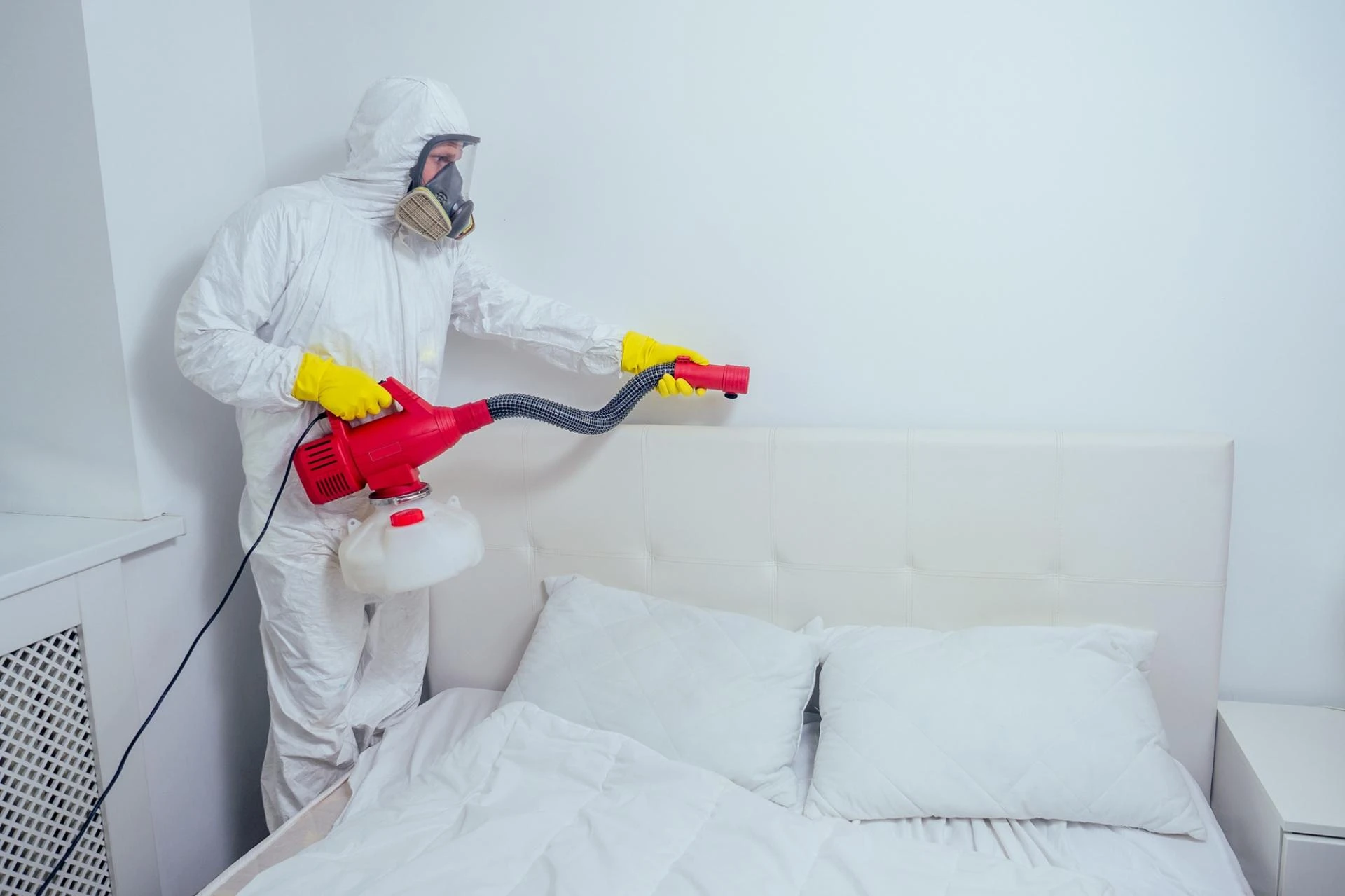
- Bed bugs. They spread room to room when disturbed. A partial treatment often turns a one-bedroom problem into a whole-house problem.
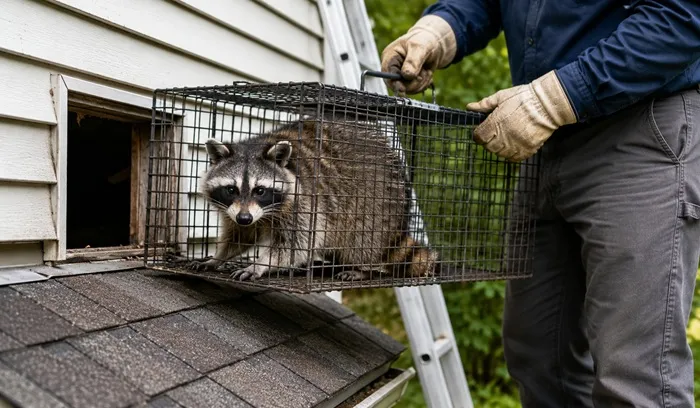
- Rodents. Traps address the animals present. They don't address the entry point, which is what actually matters.
- Termites. By the time damage is visible, the colony has usually been active for years.
The bigger gap is diagnosis. A technician spends the first part of any visit figuring out the species, the entry route, and the moisture or food source feeding the problem. That's the part you can't buy at a hardware store — and it's the part that determines whether the treatment holds.
If you're weighing DIY vs professional pest control, one useful test: can you explain why the pests are there? If not, treatment is guesswork.
The Real Benefits of Professional Pest Control
Beyond the obvious, here's what you're actually paying for.
Correct identification. Carpenter ants and odorous house ants look similar to most people and require completely different treatments. Wrong ID means wasted money.
Access to restricted products. Licensed applicators use materials that aren't sold retail — often at lower concentrations with better targeting, applied where pests travel rather than where you can reach.
Structural inspection. Technicians check the places infestations start: sill plates, weep holes, utility penetrations, crawl space vents, roofline gaps.
Documentation. This matters at resale. A treatment history and clean inspection report is a real asset during a home sale, and lenders sometimes require one.
Return visits. Most reputable companies re-treat free within the warranty window. That's the part DIY can't match — accountability.
Safety around kids and pets. Misapplied retail pesticide is a common cause of household exposure calls. Trained application follows label law and placement rules for a reason.
Is Monthly Pest Control Worth It — or Is Quarterly Enough?
This is where a lot of people overspend.
Monthly service makes sense if you have: an active roach or rodent problem still being brought under control, a food-service or multi-unit property, heavy wooded or waterfront surroundings, or a history of repeat infestations.
Quarterly service is enough for most single-family homes. It aligns with seasonal pest cycles — spring emergence, summer peaks, fall entry, winter overwintering — and typically costs 30–40% less annually.
If a company pushes monthly service for a home with no active infestation, ask them to justify it. A good technician will tell you when quarterly is sufficient. Many homeowners land on annual pest control plans that bundle scheduled visits with free callbacks, which usually works out cheaper than paying per emergency.
When Hiring an Exterminator Is Clearly Worth It
Call a professional without hesitation if you notice:
- Droppings, gnaw marks, or nighttime scratching in walls or attic
- Live roaches during daylight hours (a sign of a large population)
- Bites appearing overnight, or small rust-colored stains on bedding
- Mud tubes on foundation walls, or wood that sounds hollow
- The same pest returning within 30 days of DIY treatment
- Any infestation where someone in the home has asthma or allergies
Speed matters most with fast breeders. A single female German cockroach can lead to thousands of descendants in a year. Bed bugs double roughly every two weeks. In those cases same-day pest control is genuinely worth paying for — waiting two weeks can double the eventual treatment cost.
Frequently Asked Questions
Is hiring an exterminator worth it for just one pest sighting?
Usually not — unless it's a bed bug, a termite swarmer, or a daytime roach. Those three rarely appear alone and are strong indicators of a hidden population.
How long does professional pest control take to work?
Ants and spiders often drop off within 24–48 hours. Roaches take 2–3 weeks as bait moves through the colony. Bed bug treatment typically needs a follow-up at 10–14 days.
Is pest control worth the cost if I keep a clean house?
Yes. Cleanliness reduces food sources but doesn't stop pests entering through foundation gaps, utility lines, or shared walls. Spotless homes get infestations regularly.
Can I stop service once the pests are gone?
You can. Just know that treatment residual breaks down in 60–90 days, and re-entry is common in older homes or dense neighborhoods.
Is the treatment safe for pets and children?
Modern targeted products applied by a licensed technician are low-risk. Most require staying off treated surfaces for a few hours until dry — your technician will give exact re-entry times.
The Bottom Line
Is pest control worth it? If you're chasing the same problem more than once, the answer is almost always yes. Professional treatment isn't just stronger chemicals — it's identification, entry-point repair, correct timing, and a warranty behind the work. That combination is what keeps pests from coming back, and it's what DIY can't replicate.

























Sign in to leave a comment.