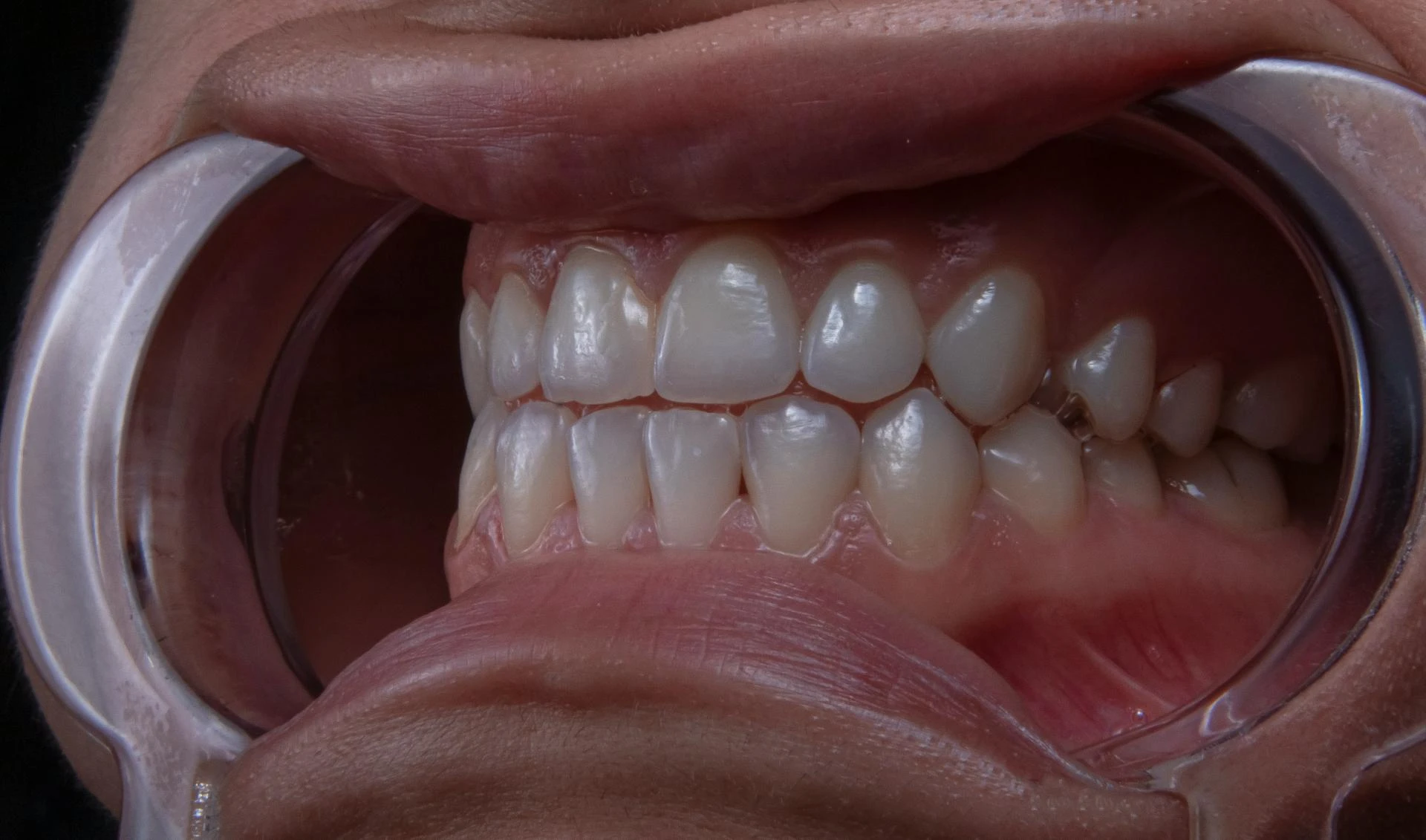

Gum inflammation is one of the most common oral health concerns that affects millions of people worldwide. Whether you've noticed redness, swelling, or bleeding while brushing, understanding inflamed gums: identifying the underlying issues is crucial for maintaining optimal dental health. Your gums are the foundation of your smile, and when they're compromised, it can lead to serious complications if left untreated. This comprehensive guide will help you recognize the causes, symptoms, and solutions for inflamed gums.
What Are Inflamed Gums?
Inflamed gums, medically known as gingivitis, occur when the soft tissue surrounding your teeth becomes red, swollen, and tender. This condition is your body's response to irritation or infection in the gum tissue. While it may seem minor at first, untreated gum inflammation can progress to periodontitis, a severe form of gum disease that can result in tooth loss and even affect your overall health.
Common Causes of Gum Inflammation
Poor Oral Hygiene The primary culprit behind inflamed gums is inadequate oral care. When you don't brush and floss regularly, plaque, a sticky film of bacteria accumulates along the gumline. This bacterial buildup irritates the gum tissue, triggering inflammation. Regular dental cleaning is essential to remove hardened plaque (tartar) that your toothbrush can't eliminate.
Gingivitis and Periodontal Disease Gingivitis is the earliest stage of gum disease and the most reversible. However, without proper intervention through professional dental checkup visits and improved home care, it can advance to periodontitis, where the infection spreads below the gumline and damages the bone supporting your teeth.
Hormonal Changes Women may experience gum sensitivity during pregnancy, menstruation, or menopause due to hormonal fluctuations. These changes increase blood flow to the gums, making them more susceptible to inflammation and irritation.
Nutritional Deficiencies A lack of essential vitamins, particularly vitamin C and B vitamins, can weaken your immune system and make your gums more vulnerable to infection and swelling.
Medications Certain medications, including blood pressure drugs, anticonvulsants, and immunosuppressants, can cause gum overgrowth or increased sensitivity as a side effect.
Smoking and chewing tobacco significantly impair your body's ability to fight gum infections and slow down the healing process, making inflammation more persistent.
Recognizing the Symptoms
Early detection is key to preventing serious complications. Watch for these warning signs:
- Red or purplish gums instead of healthy pink tissue
- Swelling or puffiness around the teeth
- Bleeding during brushing or flossing
- Persistent bad breath
- Receding gums that make teeth appear longer
- Tenderness or discomfort when touching the gums
Prevention and Treatment Strategies
Establish a Solid Oral Hygiene Routine Brush your teeth at least twice daily using a soft-bristled toothbrush and fluoride toothpaste. Don't forget to floss daily to remove plaque and food particles between teeth where your toothbrush can't reach.
Schedule Regular Dental Visits Professional dental checkup appointments every six months are vital for catching problems early. Your dental hygienist can perform thorough dental cleaning to remove tartar buildup and assess your gum health.
Improve Your Diet Consume a balanced diet rich in vitamins and minerals, particularly foods high in vitamin C like citrus fruits, berries, and leafy greens. Limit sugary snacks and beverages that feed harmful bacteria.
Consider Antimicrobial Rinses Your dentist may recommend a therapeutic mouthwash containing chlorhexidine or essential oils to reduce bacteria and control inflammation.
Address Underlying Health Conditions If you have diabetes, autoimmune disorders, or other systemic conditions that affect your oral health, work closely with both your physician and dentist to manage these issues effectively.
When to Seek Professional Help
If your gums remain inflamed despite improving your oral hygiene, or if you experience severe symptoms like pus discharge, loose teeth, or extreme pain, it's time to consult a dental professional immediately. While exploring the fastest ways to heal swollen gums through home remedies like saltwater rinses and proper brushing techniques can provide temporary relief, professional treatment is essential for addressing the root cause of persistent inflammation. Early intervention can save your teeth and prevent the infection from spreading to other parts of your body.
Your Partner in Dental Health
Maintaining healthy gums requires commitment to both at-home care and professional support. Whether you're seeking routine family dentistry services or need specialized periodontal treatment, choosing the right dental practice makes all the difference. Rise Dentistry provides comprehensive care for patients experiencing gum inflammation and other oral health concerns. With experienced professionals who prioritize patient education and preventive care, Rise Dentistry offers personalized treatment plans tailored to your unique needs. If you're searching for a trusted dentist in Magnolia, Rise Dentistry combines advanced technology with compassionate care to help you achieve and maintain optimal dental health for years to come.
Don't let inflamed gums compromise your smile. Take action today by improving your oral hygiene routine and scheduling your next dental appointment. Your gums and your overall health will thank you.



























Sign in to leave a comment.