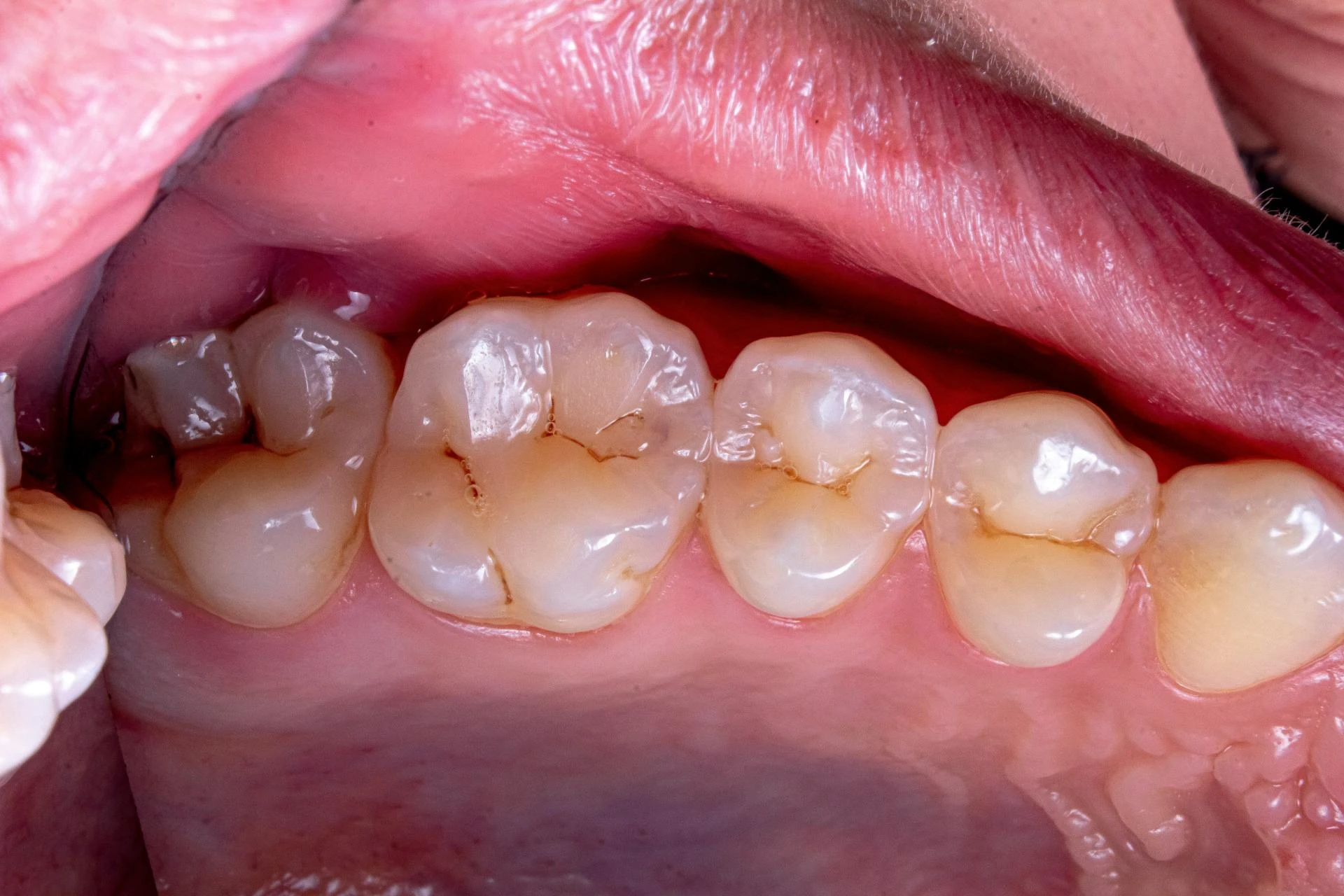

Have you ever experienced discomfort or noticed swelling around just one tooth? Single tooth gum swelling: understanding the causes is essential for anyone dealing with this isolated yet concerning dental issue. Unlike generalized gum inflammation that affects multiple teeth, localized swelling around a single tooth often indicates a specific problem that requires prompt attention. Recognizing the underlying reasons and knowing when to seek help can prevent minor issues from escalating into serious complications that impact your overall dental health.
What Is Single Tooth Gum Swelling?
Single tooth gum swelling occurs when the gum tissue surrounding one specific tooth becomes inflamed, red, tender, or enlarged. This localized condition differs from widespread gingivitis and typically points to a problem directly related to that particular tooth or the surrounding area. The swelling may be accompanied by pain, sensitivity, bleeding, or even pus discharge, depending on the underlying cause.
Common Causes of Localized Gum Swelling
Food Impaction and Debris One of the most common culprits is food particles trapped between your tooth and gum. When food gets wedged in these spaces, it creates an ideal environment for bacteria to thrive, leading to irritation and swelling. Regular flossing and professional dental cleaning can help prevent this issue.
Dental Abscess A tooth abscess is a pocket of pus caused by a bacterial infection. This serious condition can develop at the tooth root or in the gum tissue, causing severe swelling, throbbing pain, and sometimes fever. Abscesses require immediate professional intervention to drain the infection and preserve the tooth.
Gum Disease (Localized Periodontitis) While gum disease often affects multiple teeth, it can sometimes begin or concentrate around a single tooth. Poor oral hygiene, difficult-to-clean areas, or existing dental work can make certain teeth more vulnerable to periodontal problems.
Tooth Decay or Cavity Advanced cavities that penetrate deep into the tooth can reach the pulp, causing infection that spreads to the surrounding gum tissue. This infection manifests as localized swelling and requires prompt treatment to prevent tooth loss.
Damaged or Failed Dental Work Old fillings, crowns, or other dental restorations can deteriorate over time, creating gaps where bacteria accumulate. Additionally, improperly fitted dental work can irritate the gums and cause inflammation around that specific tooth.
Traumatic Injury Physical trauma from biting down on something hard, sports injuries, or grinding your teeth can damage both the tooth and surrounding gum tissue, resulting in localized swelling and discomfort.
Wisdom Tooth Eruption When wisdom teeth partially emerge, they can create a flap of gum tissue that traps food and bacteria, leading to a painful condition called pericoronitis. This causes significant swelling around the affected tooth.
Recognizing the Warning Signs
Pay attention to these symptoms that indicate your single tooth gum swelling needs professional evaluation:
- Sharp or throbbing pain localized to one area
- Visible swelling or a bump on the gum near one tooth
- Bleeding when touching the area or during brushing
- Pus or discharge around the affected tooth
- Bad taste in your mouth or persistent bad breath
- Sensitivity to hot, cold, or pressure on that tooth
- Fever or general feeling of unwellness
Effective Treatment Approaches
Swollen Gums Treatment at Home For mild cases without severe pain or infection signs, you can try gentle swollen gums treatment methods at home. Rinse with warm saltwater several times daily to reduce bacteria and soothe inflammation. Maintain excellent oral hygiene by carefully brushing and flossing around the affected area. Apply a cold compress to the outside of your cheek to reduce swelling and numb discomfort. Over-the-counter pain relievers can help manage pain temporarily, but these home remedies should not replace professional care if symptoms persist beyond a few days.
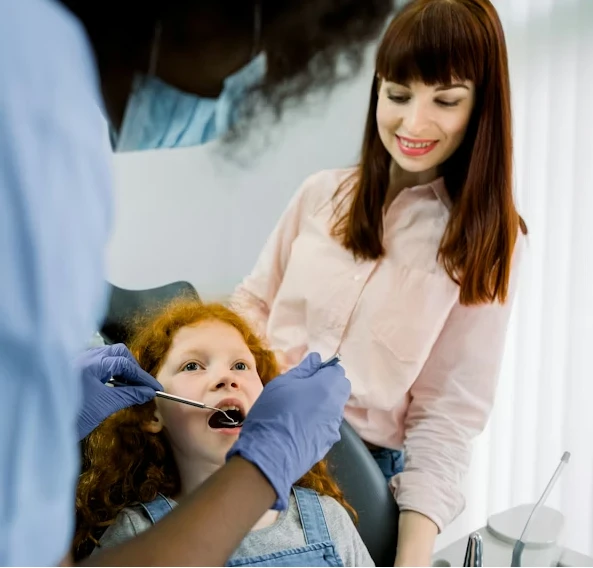
Professional Dental Interventions Your dentist will examine the affected tooth and may take X-rays to identify the root cause. Treatment varies based on the diagnosis and might include deep cleaning to remove trapped debris and infection, root canal therapy if the tooth's pulp is infected, drainage of an abscess followed by antibiotics, extraction of severely damaged teeth or problematic wisdom teeth, or replacement of faulty dental restorations. Professional dental checkup appointments allow early detection of problems before they cause painful swelling.
Prevention Strategies for Long-Term Dental Health
Maintain Rigorous Oral Hygiene Brush at least twice daily with fluoride toothpaste, paying special attention to the gumline. Floss daily to remove food particles and plaque between teeth where your toothbrush cannot reach. Consider using an antimicrobial mouthwash to reduce bacterial growth.
Schedule Regular Dental Visits Routine family dentistry appointments every six months enable your dentist to catch potential problems early. Professional cleanings remove tartar buildup that contributes to gum inflammation and tooth decay.
Address Dental Issues Promptly Don't ignore tooth sensitivity, pain, or minor swelling. Early intervention prevents small problems from becoming major complications requiring extensive treatment.
Protect Your Teeth If you grind your teeth at night, ask your dentist about a protective mouthguard. Wear appropriate protective gear during sports activities to prevent dental trauma.
When You Need Emergency Dentistry
Certain situations require immediate professional attention and qualify as emergency dentistry cases. Seek urgent care if you experience severe, unbearable pain that doesn't respond to over-the-counter medications, rapidly spreading swelling that affects your face, jaw, or neck, difficulty swallowing or breathing due to swelling, high fever accompanying your dental symptoms, or continuous bleeding from the affected area. These signs indicate serious infections or complications that can become life-threatening if left untreated. Don't wait for your regular appointment contact an emergency dental service immediately.
Your Trusted Partner for Comprehensive Dental Care
Single tooth gum swelling often signals underlying issues that require professional diagnosis and treatment. Rise Dentistry offers comprehensive services from routine checkups to urgent care for dental emergencies. Their experienced team prioritizes patient comfort and ensures you understand your treatment options. Don't let gum swelling disrupt your life, schedule an appointment with Rise Dentistry today for lasting dental health and a pain-free smile.
























Sign in to leave a comment.