
If you’ve just found out you’re pregnant and aren’t planning to be, your brain is probably racing. One of the first things people search for is a simple explanation of the "abortion pill." But here’s the thing: it isn’t just one pill, and it doesn't work like a magic "undo" button overnight. It’s a medical process that uses two different medications to end a pregnancy, usually in the privacy of your own home.
In the U.S. today, more than half of all abortions are done this way. Why? Because for many, it feels more private and less "medical" than a procedure in a clinic. But before you decide if it’s right for you, you deserve to know exactly how does an abortion pill work—from the biology of it to the reality of the recovery.
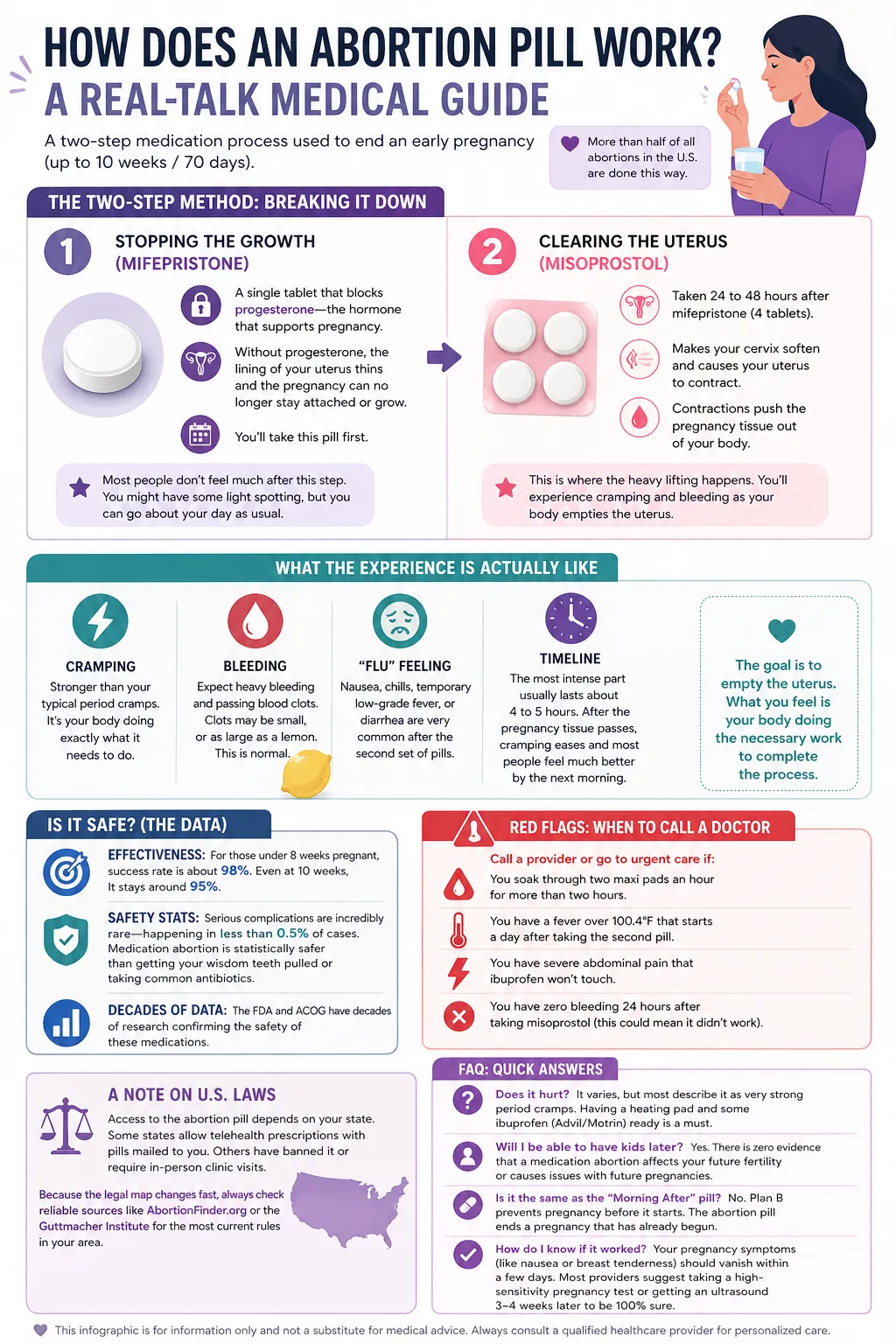
The Two-Step Method: Breaking it Down
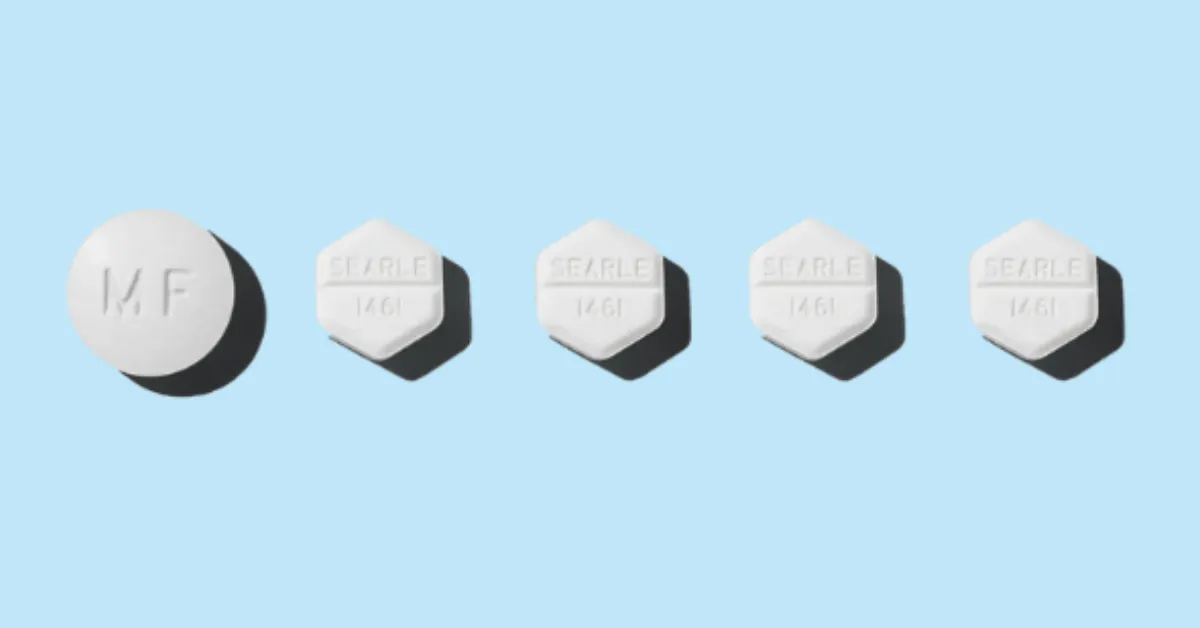
The FDA-approved protocol is a 1-2 punch involving mifepristone and misoprostol. This combo is approved for use up to 10 weeks (70 days) into a pregnancy.
1. Stopping the Growth (Mifepristone)
The first step is a single tablet called mifepristone. Think of this as the "off switch" for the hormones supporting the pregnancy. Specifically, it blocks progesterone. Without progesterone, the lining of your uterus begins to thin and break down, which means the pregnancy can no longer stay attached or grow.
Most people don't feel much after this first step. You might have some light spotting, but generally, you can go about your day as usual.
2. Clearing the Uterus (Misoprostol)
The second step happens 24 to 48 hours later. You’ll take four misoprostol tablets, usually by letting them dissolve in your mouth or inserting them vaginally. This is where the heavy lifting happens.
Misoprostol makes your cervix soften and causes your uterus to contract. If you’ve ever had a heavy period, it’s a similar sensation but much more intense. These contractions are what push the pregnancy tissue out of your body.
What the Experience Is Actually Like
We shouldn't sugarcoat it: the process involves some physical work for your body. Since the goal is to empty the uterus, you should expect:
- Cramping: This is usually stronger than your typical period cramps. It’s your body doing exactly what it needs to do.
- Bleeding: Expect heavy bleeding and passing blood clots. Some clots might be small; others could be the size of a lemon. This is normal.
- The "Flu" Feeling: It’s very common to feel a bit nauseous, get the chills, or have a temporary low-grade fever or diarrhea after the second set of pills.
Usually, the most intense part lasts about 4 to 5 hours. Once the pregnancy tissue passes, the cramping tends to drop off significantly, and most people feel much better by the next morning.
Is it Safe? (The Data)
Safety is usually the biggest "what if" on someone's mind. The good news is that the medical community has decades of data on these drugs.
- Effectiveness: It works. For those under 8 weeks pregnant, the success rate is about 98%. Even at 10 weeks, it stays around 95%.
- Safety Stats: Major studies from the FDA and ACOG show that serious complications are incredibly rare—happening in less than 0.5% of cases. To put that in perspective, medication abortion is statistically safer than getting your wisdom teeth pulled or taking common antibiotics.
Red Flags: When to Call a Doctor
Even though it’s very safe, you need to listen to your body. Call a provider or go to an urgent care if:
- You soak through two maxi pads an hour for more than two hours.
- You have a fever over 100.4°F that starts a day after taking the second pill.
- You have severe abdominal pain that ibuprofen won't touch.
- You have zero bleeding 24 hours after taking misoprostol (this could mean it didn't work).
A Note on U.S. Laws
It’s frustrating, but your access to the abortion pill depends heavily on which state you’re standing in. Some states allow you to get a prescription via a quick video call and have the pills mailed to you. Others have banned the practice or require multiple in-person clinic visits. Because the legal map changes so fast, it's always smart to check a reliable source like Abortion Finder or the Guttmacher Institute for the most current rules in your area.
FAQ: Quick Answers
Does it hurt? It varies, but most describe it as very strong period cramps. Having a heating pad and some ibuprofen (Advil/Motrin) ready is a must.
Will I be able to have kids later? Yes. There is zero evidence that a medication abortion affects your future fertility or causes issues with future pregnancies.
Is it the same as the "Morning After" pill? No. Plan B prevents pregnancy before it starts. The abortion pill ends a pregnancy that has already begun.
How do I know if it worked? Your pregnancy symptoms (like nausea or breast tenderness) should vanish within a few days. Most providers suggest taking a high-sensitivity pregnancy test or getting an ultrasound 3-4 weeks later to be 100% sure.
Final Thoughts
Choosing how to handle an unplanned pregnancy is a big moment, but you don't have to navigate it based on rumors. Medication abortion is a heavily researched, non-invasive option that has helped millions of people manage their health on their own terms.
Medical Disclaimer: This information is for educational purposes and is not a substitute for professional medical advice. Always talk to a healthcare provider for guidance specific to your health. Remember that abortion laws vary by state and can change frequently.
























Sign in to leave a comment.