
A parent passes away, or a spouse gets a diagnosis. Suddenly, end-of-life planning becomes very real, and the questions start. What are the options? What actually happens? And is donating your body to science the right call to make?
Here is what the medical side of body donation looks like. Why Medical Schools Still Depend on Human Bodies
No computer simulation can replace the body of an actual human being. That is why donating a busy to science after death carries real weight in the medical world. Anatomy students, surgeons learning a procedure, scientists researching the ways diseases spread through tissue, they all need a human donor body to work on.
The American Association of Tissue Banks estimates that tens of thousands of donors contribute annually to training programs across the country. That number still falls short of what medical programs need.
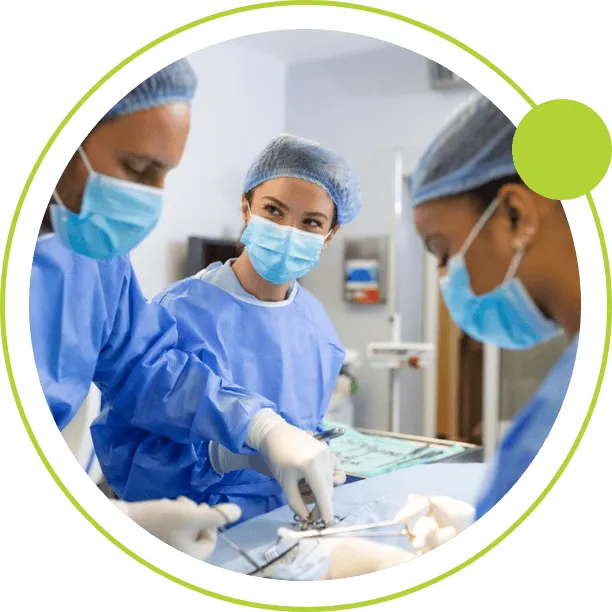
Consider that the next surgeon who operates on someone you love may have learned their first incision on a donated body. That is how medical education works.
What Happens After Donation
The procedure for donating your body to science is more formalized than one would think. Once the individual passes away, their body is taken to a reception center. They will undergo some form of evaluation to ensure that they meet the donation requirements. There are individuals who cannot be used due to pre-existing diseases, surgeries they underwent, or being severely overweight. If they are qualified, then their body can be used for:
- Gross anatomy education in medical and dental schools.
- Surgical technique training for residents and practicing surgeons
- Orthopedic and joint replacement research
- Medical device testing and development
- Disease and pathology studies
The timeline varies. Some programs return cremated remains to the family within a few weeks. Others retain the body for up to two or three years, depending on the research involved. Families typically receive written notice of how the donation was used, though specifics vary by program
The Part Nobody Talks About
There is a quiet fear around the idea of the body being treated without dignity. Perhaps that fear is understandable. But accredited programs operate under strict ethical guidelines. The National Funeral Directors Association and the American Association of Tissue Banks both set standards that govern how donated bodies are handled, stored, and used.
Reputable programs do not sell tissue. They do not use bodies for anything outside of the approved scope. And when the research is done, cremation follows, with remains returned or scattered according to the donor's or family's wishes.
What You Are Actually Deciding
Donating a body to science means choosing what happens to a person after death, in a very permanent way. It means trusting a program to carry that out responsibly. And it means accepting that the process is not entirely in the family's hands once it begins.
For some people, that feels like relief. For others, it feels like a loss of control. Both reactions make sense. What matters is that the decision gets made with clear information. not assumptions. Take that first step today.




















Sign in to leave a comment.