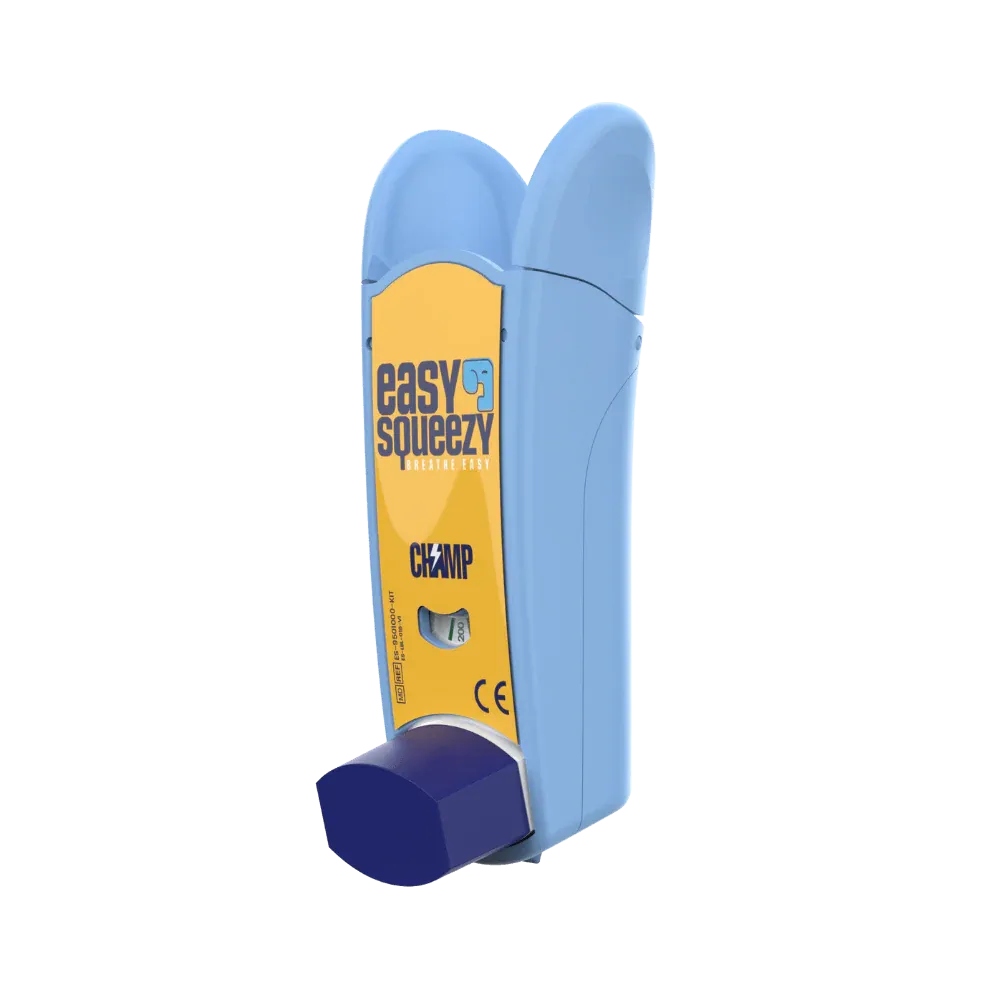

Making Asthma Treatment Easier and More Effective
Managing respiratory conditions like Asthma and Chronic Obstructive Pulmonary Disease (COPD) often depends on the correct use of inhalers. While inhalers are highly effective, many patients struggle with proper technique—especially children, the elderly, and individuals with limited hand strength or coordination. This is where an inhaler assist device becomes a game-changer.
What Is an Inhaler Assist Device?
An inhaler assist device is a specially designed tool that helps users operate their inhaler more easily and efficiently. It is typically used with a metered-dose inhaler (MDI) to ensure the medication is delivered properly into the lungs.
These devices are designed to:
- Improve grip and control
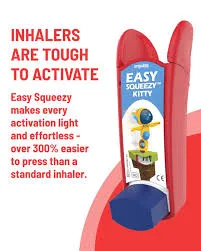
- Reduce the force needed to press the inhaler
- Help coordinate inhalation with medication release
Why Proper Inhaler Use Matters
Incorrect inhaler technique is one of the most common reasons asthma treatments fail. Studies show that many patients do not inhale at the right time or fail to press the inhaler correctly. This results in medication being wasted or deposited in the mouth instead of reaching the lungs.
An inhaler assist device helps solve these issues by simplifying the process and improving medication delivery.
Key Benefits of an Inhaler Assist Device
1. Ease of Use
For people with arthritis, weak hands, or limited dexterity, pressing an inhaler can be difficult. Assist devices provide leverage, making it much easier to activate the inhaler.
2. Better Medication Delivery
By helping users coordinate inhalation and actuation, these devices ensure more medicine reaches the lungs—where it’s needed most.
3. Ideal for Children and Elderly
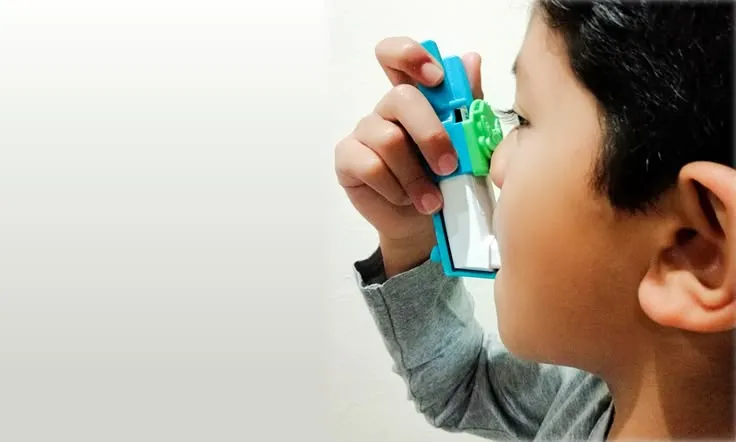
Young children often lack the coordination required for proper inhaler use, while elderly patients may struggle with strength and timing. Assist devices make inhalers accessible for both groups.
4. Increased Treatment Effectiveness
When medication is delivered correctly, symptoms such as wheezing, coughing, and shortness of breath are better controlled.
Types of Inhaler Assist Devices
There are several types available, depending on the user’s needs:
- Press Assist Devices – Help reduce the force needed to press the inhaler
- Spacer-Compatible Assist Tools – Work alongside spacers for improved airflow
- Ergonomic Holders – Provide better grip and stability
Each type is designed to address specific challenges faced by inhaler users.
Who Should Use an Inhaler Assist Device?
An inhaler assist device is especially beneficial for:
- Children with asthma
- Elderly patients
- Individuals with arthritis or weak grip strength
- Anyone struggling with inhaler coordination
If you often feel unsure whether you're using your inhaler correctly, an assist device can significantly improve your confidence and results.
Tips for Using an Inhaler Assist Device
To get the most out of your device:
- Always follow the instructions provided
- Practice proper breathing techniques
- Clean the device regularly
- Consult your healthcare provider for guidance
Final Thoughts
An inhaler assist device is a simple yet powerful tool that can transform how patients manage respiratory conditions. By making inhalers easier to use and more effective, these devices play a crucial role in improving quality of life for people living with asthma and COPD.
If you or a loved one struggles with inhaler use, investing in an assist device could make breathing easier—literally and figuratively.



















Sign in to leave a comment.