

What Works and How to Choose the Right Option
Managing asthma or other respiratory conditions often involves using a metered-dose inhaler (MDI). While spacers are commonly recommended to improve medication delivery, not everyone has access to one—or finds them convenient. The good news is that there are effective inhaler spacer alternatives that can help you get the most out of your inhaler.
Why Are Spacers Used?
A spacer is an attachment that holds medication released from an inhaler, giving you more time to inhale it properly. It reduces the need for perfect timing and helps more medicine reach your lungs instead of your throat.
However, spacers can sometimes be bulky, expensive, or unavailable, especially in certain regions. That’s where alternatives come in.
Top Inhaler Spacer Alternatives
1. Inhaler Assist Devices
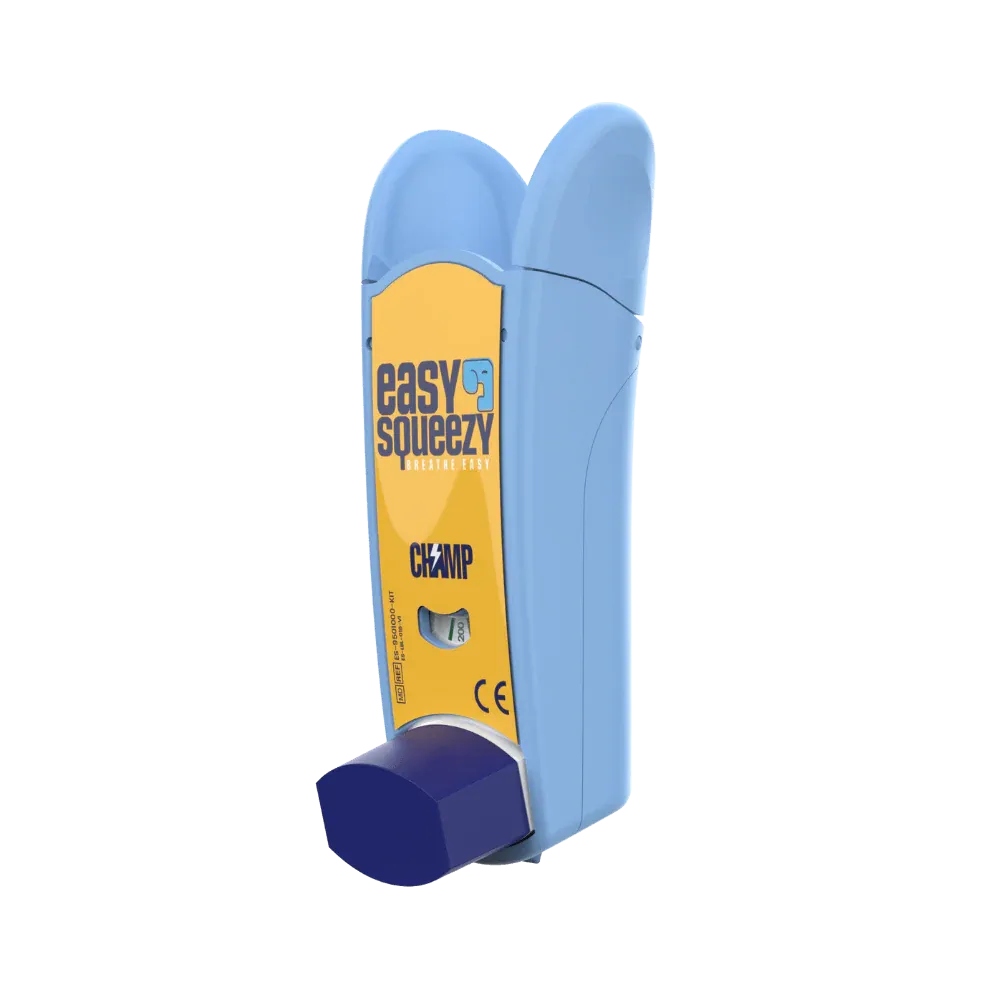
Inhaler assist devices are designed to improve grip and coordination while using an inhaler. These tools help users press the inhaler and inhale at the right time, making them a practical substitute for spacers.
Benefits:
- Easy to carry and use
- Ideal for children and elderly patients
- Improves inhaler technique without extra bulk
2. Breath-Actuated Inhalers (BAIs)
Unlike traditional MDIs, breath-actuated inhalers release medication automatically when you inhale.
Benefits:
- No need for hand-breath coordination
- Eliminates the need for a spacer
- Convenient and efficient
Consideration: These may be more expensive and require a prescription.
3. Dry Powder Inhalers (DPIs)
Dry powder inhalers deliver medication in powder form and are activated by your breath.
Benefits:
- No spacer needed
- Portable and simple to use
- Quick medication delivery
Consideration: Requires a strong, fast inhalation, which may not suit young children or severe asthma patients.
4. Homemade Spacers (Temporary Solution)
In emergency situations, a homemade spacer using a plastic bottle can be used.
Benefits:
- Easily accessible
- Cost-effective
Warning: This is only a temporary solution and not as effective or hygienic as medical-grade devices.
5. Nebulizers
Nebulizers convert liquid medication into a mist that can be inhaled over several minutes.
Benefits:
- No coordination required
- Ideal for severe cases or young children
Consideration: Less portable and requires a power source.
How to Choose the Best Alternative
When selecting an inhaler spacer alternative, consider:
- Age and ability: Children and elderly users may benefit more from assist devices
- Severity of condition: Severe cases may require nebulizers
- Portability: If you’re always on the go, compact devices are better
- Cost and availability: Choose an option that fits your budget and is easy to access
Tips for Effective Inhaler Use Without a Spacer
- Shake your inhaler well before use
- Exhale fully before inhaling medication
- Press the inhaler and inhale slowly and deeply
- Hold your breath for 5–10 seconds after inhaling
- Practice regularly to improve coordination
Final Thoughts
While spacers are helpful, they are not the only option. From inhaler assist devices to breath-actuated inhalers, there are several inhaler spacer alternatives that can make asthma management easier and more effective. The key is choosing the right solution based on your specific needs and ensuring proper inhaler technique.
If you’re unsure which option is best for you, consult a healthcare professional for personalized guidance.


























Sign in to leave a comment.