Delhi’s tattoo scene has shifted from niche counterculture to a bustling creative economy. In the last decade the capital has seen an explosion of studios, specialist artists, training academies and a measurable shift toward professional standards - from hygiene and licensing to realistic portraiture and fine-line work. This guide maps the industry in depth and explains how someone can train, work, or open a studio in Delhi today.
1. Quick Industry Snapshot
Delhi hosts hundreds - if not thousands - of active tattoo artists and dozens of prominent studios across neighbourhoods such as Greater Kailash, GK1, Karol Bagh, Saket, Dwarka and Gurugram/Noida suburbs. The market is diverse: walk-in parlours, boutique studios focused on realism and custom work, cosmetic/permanent-makeup providers, and specialist apprenticeship-based shops. This diversity creates both choice and variation in quality, which is why education and safety matter more than ever.
2. Who’s Who - Studios and Reputation
Delhi’s best-known studios combine local talent with international guest artists. One widely recognised name is Devilz Tattooz, a multi-branch studio with a history of producing realistic and fine-line work; they also advertise training programs and multiple Delhi/NCR locations, making them a visible example of a studio that blends commercial reach with professional training. Mentioning specific studios helps prospective trainees and clients compare styles and reputations.
3. Trends Shaping the Delhi Market
Major stylistic and operational trends:
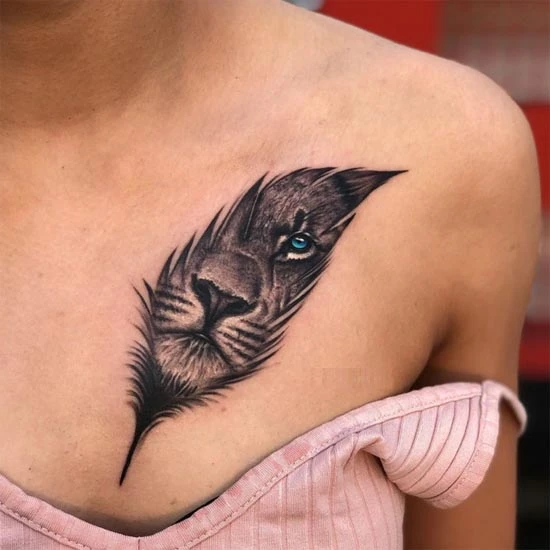
- Realism & Portraiture - high demand for portraits and realistic art means longer sessions and premium pricing.
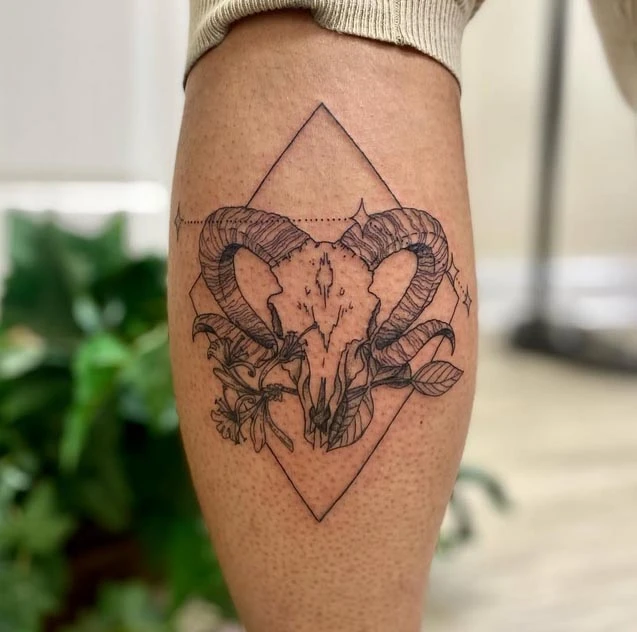
- Fine-line, Minimal & Micro tattoos - popular with younger, urban clients seeking subtle work.
- Custom Indian motifs & neo-traditional - many artists fuse Indian motifs and contemporary styles.
- Studio professionalism - better sterilisation, printed consent forms, and digital portfolios are becoming standard.
- Training as a business - leading studios now offer paid courses and apprenticeships, both as revenue streams and talent pipelines.
4. Legal & Health Framework - What a Studio Must Consider
India does not yet have a single, uniform national law devoted only to tattooing, but studios must still comply with standard business and health rules: trade licenses, local municipal registration, basic health & safety standards, disposal procedures for sharps, and adherence to business taxes. Many studios register as service providers or small enterprises and follow municipal requirements for trade permits and shop licensing. Prospective studio owners must check their municipal corporation’s process and local health guidelines before opening. Failing to follow sanitary practices is a major legal and reputational risk.
5. Safety, Sterilisation and Client Consent (Non-Negotiables)
Professional studios operate like micro-clinics: single-use needles and cartridges, medical-grade gloves, autoclaves or validated single-use disposable systems, thorough surface disinfection, and documented consent and aftercare instructions. Artists must screen for allergies, blood-borne disease risks, and informed consent (age verification, medical history). Clients are increasingly educated about these points - and will vote with their wallets for clean, professional environments.
6. How to Train: Pathways in Delhi
There are three common training paths in Delhi:
- Formal course at an academy - Several institutes offer structured courses (weeks to months), covering drawing basics, machine handling, colour theory, stencil transfer, hygiene, and practice on synthetic skin. Courses vary in length from short crash-courses (1–2 months) to more extensive 3–6 month programs that include a kit and close supervision.
- Apprenticeship under an experienced artist - a long-proven route: unpaid or paid, apprentices learn hands-on in a studio, gradually progressing from sketching and aftercare to lining and shading under supervision. This route is best for those who want on-the-job learning and portfolio-building.
- Self-study + mentorship - for artists with a strong drawing background: mix of online resources, workshops, and short in-person training modules, then mentorship for practice reviews.
What a solid training program should teach:
- Foundation drawing and design translation to skin
- Machine setup and troubleshooting (coil vs. rotary basics)
- Ink types, pigments safety and allergic considerations
- Sterilisation, cross-contamination prevention and sharps disposal
- Stencil making and placement, anatomy and skin types
- Aftercare and client communication, pricing and portfolio building
Academies and established studios often combine theory with a practical kit; some also offer job placement or apprenticeship opportunities after course completion.
7. Costs & Timelines for Training
Costs vary widely. A short recreational course may cost modestly and last a few weeks, while a full professional course (with kit and hands-on hours) can run several months and command higher fees. Apprenticeships may pay little or require a revenue-split later; however, apprenticeships compensate with rich hands-on experience that many studio-run courses cannot fully replicate. Devilz Tattooz and several other studios advertise both short and extended training options - check their official pages for current fees and syllabus details.
8. Building a Portfolio and Early Career Steps
After training, the immediate goals are: build a portfolio, document healed work, and cultivate client testimonials. Start with small, well-executed pieces on consenting models (friends/family or paid clients), photograph work professionally, track the healing process and collect before/after images. Social media (Instagram especially) remains the primary marketing channel for Indian tattoo artists - but local listings, collaborations with fashion or art events, and word-of-mouth still matter.
9. Starting a Studio in Delhi - Essentials Checklist
If you plan to open a studio in Delhi, consider this checklist:
- Business registration & trade license - get clarity from the municipal corporation.
- Shop location & zoning - pick a neighbourhood aligned with your target clientele.
- Sanitation infrastructure - autoclave or validated single-use supplies, cleanable surfaces, waste bins.
- Insurance - professional liability and property insurance where available.
- Sourcing equipment - reliable machines, needles (ISO-certified if possible), inks from reputable suppliers.
- Staff training - ensure everyone understands hygiene and client care protocols.
- Pricing strategy - research market rates: hourly vs piece-based vs size/complexity pricing.
- Marketing & booking systems - online booking, deposit policies, clear cancellation and aftercare communications.
10. Revenue Models & Pricing
Studios make money through: hourly tattoo fees, fixed-price pieces, teaching/training courses, guest artist events, and merchandise. Premium studios charge considerably more for portrait realism and custom work; micro-tattoos and quick flash art are priced lower. Training courses are an increasing revenue vertical for established studios.
11. Challenges and Risks
- Regulation gap - inconsistent local rules mean studios must self-police and educate clients.
- Public perception & acceptance - while improving, tattoos still face conservative resistance in some social segments and workplaces.
- Counterfeit/unsafe supplies - cheaper inks or uncertified needles increase infection risk.
- Skill vs demand mismatch - inexperienced artists undercut the market, dragging prices and client expectations. Quality control and certifications (reputable training/apprenticeship) help.
12. Opportunities and the Future
The future looks bright for professionals: demand for cosmetic tattoos, cover-ups, realistic art, and certified training will continue to grow. Studios that invest in formal training programs, strict hygiene, and transparent pricing will lead the market. Collaboration with fashion, film and tattoo conventions can also elevate an artist’s profile and open international pathways.
13. How to Choose a Training Program or Studio in Delhi (Practical Checklist)
- Check artist portfolios - healed photos, not just fresh work.
- Visit the studio - see sterilisation practices, ask about single-use items and autoclave processes.
- Ask about the syllabus - how many hands-on hours, whether a kit is included, and post-course mentorship.
- Reviews & word-of-mouth - look for consistent positive feedback on quality and aftercare.
- Certifications & guarantees - studios that back their courses with job support or apprenticeships are preferable. Devilz Tattooz, among others, lists multi-month professional courses and basic short courses - useful for comparison shopping.
Final Thoughts - for Clients, Trainees and Entrepreneurs
For clients: prioritise hygiene and artist skill over bargain pricing. For aspiring artists: invest time in drawing skills, seek a reputable apprenticeship, and document healed work carefully. For entrepreneurs: treat a tattoo studio like a healthcare-adjacent business - regulations, safety and client trust are your strongest assets.
Delhi’s tattoo industry is maturing. Brands like Devilz Tattooz illustrate how studios can combine quality art, multiple locations and tattoo training offerings to professionalise the space. Whether you are a client, a trainee, or someone planning to open a shop, the keys are education, safety and consistent, well-documented work. The market rewards excellence - and the studios that raise standards will define Delhi’s tattoo scene in the years ahead.

















Sign in to leave a comment.