
From Banner Blindness to Smart Advertising
Digital advertising has always evolved alongside user behavior. In the early days of the internet, banners were revolutionary — bright rectangles that promised exposure. But soon, users developed banner blindness, unconsciously ignoring them.
Next came pop-ups, overlays, and autoplay videos. They grabbed attention, but often at the expense of user trust. Frustration grew, leading to widespread use of ad blockers.
Out of this cycle of innovation and rejection, a new need emerged: advertising that works without disrupting the user experience. And that’s where inpage push ads entered the scene.
What Exactly Are Inpage Push Ads?
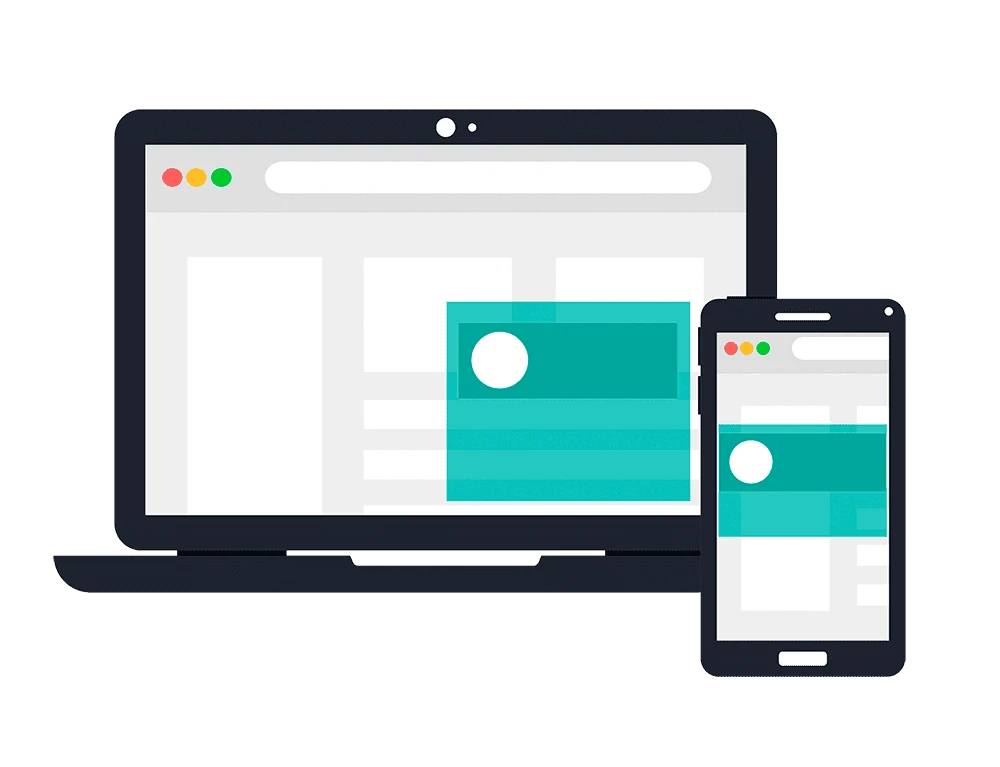
At their core, in page push ads are designed to look and feel like part of a user’s digital environment. They resemble notification alerts — clean, concise, and clickable — but they appear directly within the webpage rather than in a browser or system tray.
This makes them unique because:
- They don’t rely on opt-in notifications.
- They aren’t blocked by most ad filters.
- They integrate naturally with content instead of interrupting it.
The result? A format that balances revenue potential with respect for the browsing experience.
Why Inpage Ads Are a Turning Point
Every advertising innovation has been shaped by two forces: what businesses want and what users will tolerate.
- Businesses want visibility, clicks, and conversions.
- Users want smooth, interruption-free browsing.
Most formats leaned too heavily toward businesses, frustrating users in the process. Inpage ads represent a turning point because they serve both sides:
- For users: They’re subtle, familiar, and easy to ignore if not relevant.
- For advertisers: They generate real engagement instead of accidental clicks.
- For publishers: They unlock monetization without alienating audiences.
This balance makes them one of the most promising formats in recent digital history.
How Inpage Push Fits Modern User Behavior
The way people consume content today is very different from ten years ago. Audiences now:
- Scroll quickly through content, scanning for what’s relevant.
- Interact with notifications dozens of times a day, across devices.
- Expect choice, not force, when it comes to ads.
Inpage push ads fit neatly into these behaviors. They’re placed within the flow of the page, they mirror familiar notification designs, and they allow for quick, voluntary interaction.
It’s advertising that feels native to how people already navigate the digital world.
The Publisher’s Perspective: Monetization Without Sacrifice
Publishers walk a tightrope. Too many intrusive ads, and users bounce. Too few, and revenue drops.
Inpage ads solve this by offering:
- A non-intrusive monetization option.
- Compatibility with multiple content types (blogs, forums, news sites).
- Revenue that doesn’t depend on overwhelming users with clutter.
For publishers, it means building sustainable income streams while preserving trust and loyalty.
The Advertiser’s Advantage: Intent-Driven Clicks
One of the biggest frustrations for advertisers is paying for clicks that don’t matter. Many display ads still generate accidental clicks — users mis-tap, or try to close an ad and open it instead.
With inpage push ads, engagement is more intentional. Users click because they’re genuinely curious or interested. That makes every interaction more valuable, reducing wasted spend and improving ROI.
It shifts the focus from quantity of traffic to quality of engagement.
Why Inpage Ads Work: The Psychology Behind Them
Advertising success is as much about psychology as technology. Inpage ads succeed because they tap into three psychological triggers:
- Familiarity – Their notification-style design mirrors what users already trust.
- Control – They don’t hijack attention but allow users to engage willingly.
- Relevance – Their contextual placement makes them feel part of the browsing journey.
This combination lowers resistance and increases the chance of meaningful interactions.
The Role of Inpage Ads in the Future of Advertising
Looking ahead, digital advertising will only succeed if it respects privacy, choice, and user experience. Formats that force attention will continue to decline, while formats that earn attention will thrive.
In page ads are well-positioned to lead this future because they embody the principles that matter most today:
- They’re non-intrusive.
- They’re adaptable across devices.
- They’re aligned with user expectations.
As AI and personalization advance, we may see inpage ads evolve into even more context-aware experiences, blending seamlessly with content while delivering personalized value.
Final Thoughts: The Next Chapter in Advertising Evolution
Advertising has always adapted to survive — and inpage push ads are the latest chapter in that story. They’re not a gimmick or a passing trend, but a response to a deeper truth: users want to be respected, and businesses need formats that work within those boundaries.
By combining familiarity, respect, and engagement, inpage push ads are redefining what effective advertising looks like in the modern web. They represent more than just another monetization method — they’re proof that the future of advertising lies in earning attention, not demanding it.




























Sign in to leave a comment.