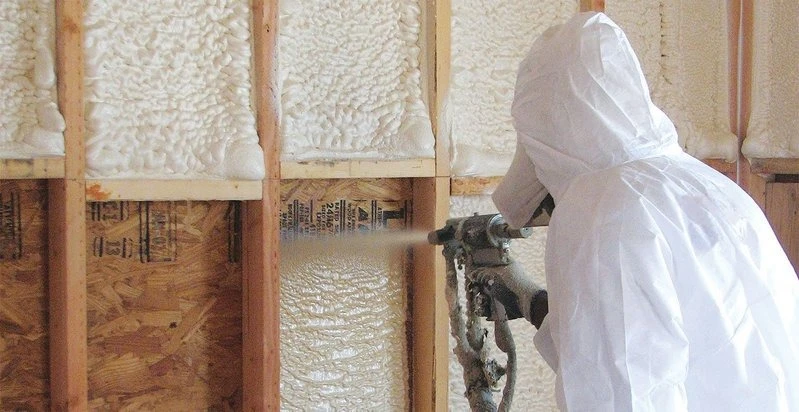
In Nevada’s climate, where scorching summers and chilly winters create extreme indoor comfort challenges, insulation upgrades are the most immediate and cost-effective method to improve HVAC efficiency and precision air control. Proper insulation minimizes thermal loss and gains, reduces HVAC run times, and creates more stable interior environments—particularly crucial in desert cities like Las Vegas or high-desert zones like Reno.
Professional spray foam insulation upgrades in Nevada improves system longevity, cuts energy costs, and creates cleaner, quieter air environments. Nevada Urethane leverages hands-on field experience with attic retrofits, spray foam applications, and blown-in materials to guide tailored insulation decisions based on regional conditions, structural design, and energy goals.
Why HVAC Efficiency Depends on Insulation
In Nevada, HVAC units are typically oversized due to extreme temperature shifts. Without sufficient insulation, systems cycle frequently, increasing energy waste and mechanical wear.
According to the U.S. Department of Energy, up to 30% of a home’s energy use in hot climates is wasted through poor insulation and uncontrolled airflow. (Source: energy.gov)
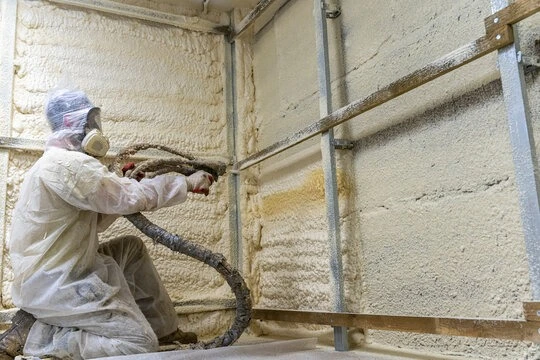
Properly installed spray foam or dense-pack cellulose drastically reduces system runtime, as cooled or heated air remains stable inside the envelope longer. This stabilizes temperatures and reduces the need for frequent adjustments—translating to 20–40% HVAC energy savings annually. (Source: Building Performance Institute, 2023 report)
Things to Consider Before Making a Decision
- Climate Zones: Nevada spans multiple microclimates—Reno’s alpine dryness differs from Las Vegas’ desert heat. Choose insulation that matches your local needs.
- Existing HVAC Capacity: Oversized units may short-cycle. Upgraded insulation may allow for smaller, more efficient equipment.
- Building Age and Envelope Design: Older homes often lack vapor barriers or have air gaps that spray foam resolves better than traditional options.
- Allergen Sensitivity: Spray foam limits dust infiltration and is ideal for households with respiratory concerns.
- Budget vs. Long-Term ROI: Spray foam requires upfront investment but offers the best long-term returns through energy savings and durability.
Bonus Tip: During attic work, always assess duct sealing. Even the best insulation can’t compensate for leaking ductwork in unconditioned spaces.
Regional Insights: Nevada-Specific Strategies
Nevada Urethane has applied insulation in climates ranging from Ely’s frosty winters to Laughlin’s extreme desert heat. The following insights stem from real-world application:
- High-altitude areas (e.g., Carson City): Closed-cell foam prevents condensation in tight-roof assemblies.
- Southern Nevada (e.g., Henderson): Radiant barriers combined with open-cell spray foam cut attic temps by 25°F+, easing HVAC strain.
- Agricultural zones: Spray foam coatings help maintain barn temperatures without mechanical HVAC systems.
Common Questions About Insulation Upgrades
What type of insulation works best with existing HVAC systems?
Spray foam, especially closed-cell, integrates best with older systems by stabilizing internal conditions and reducing runtime.
Can insulation upgrades fix hot or cold rooms?
Yes. Uneven temperatures often result from poor air sealing—especially in attics and knee walls. Spray foam eliminates these gaps.
Do I need to remove old insulation first?
In most retrofit scenarios, yes. Old fiberglass or pest-infested cellulose reduces new insulation performance.
How long does the process take?
Most residential projects can be completed in one to two days, depending on attic access and square footage.
Core Services Offered by Nevada Urethane
- Residential Insulation
- Improves comfort and efficiency in homes using tailored material choices like spray foam or blown-in cellulose.
- Commercial Insulation
- Enhances thermal control in warehouses, offices, and retail spaces for year-round operational savings.
- Attic Blown-in Insulation
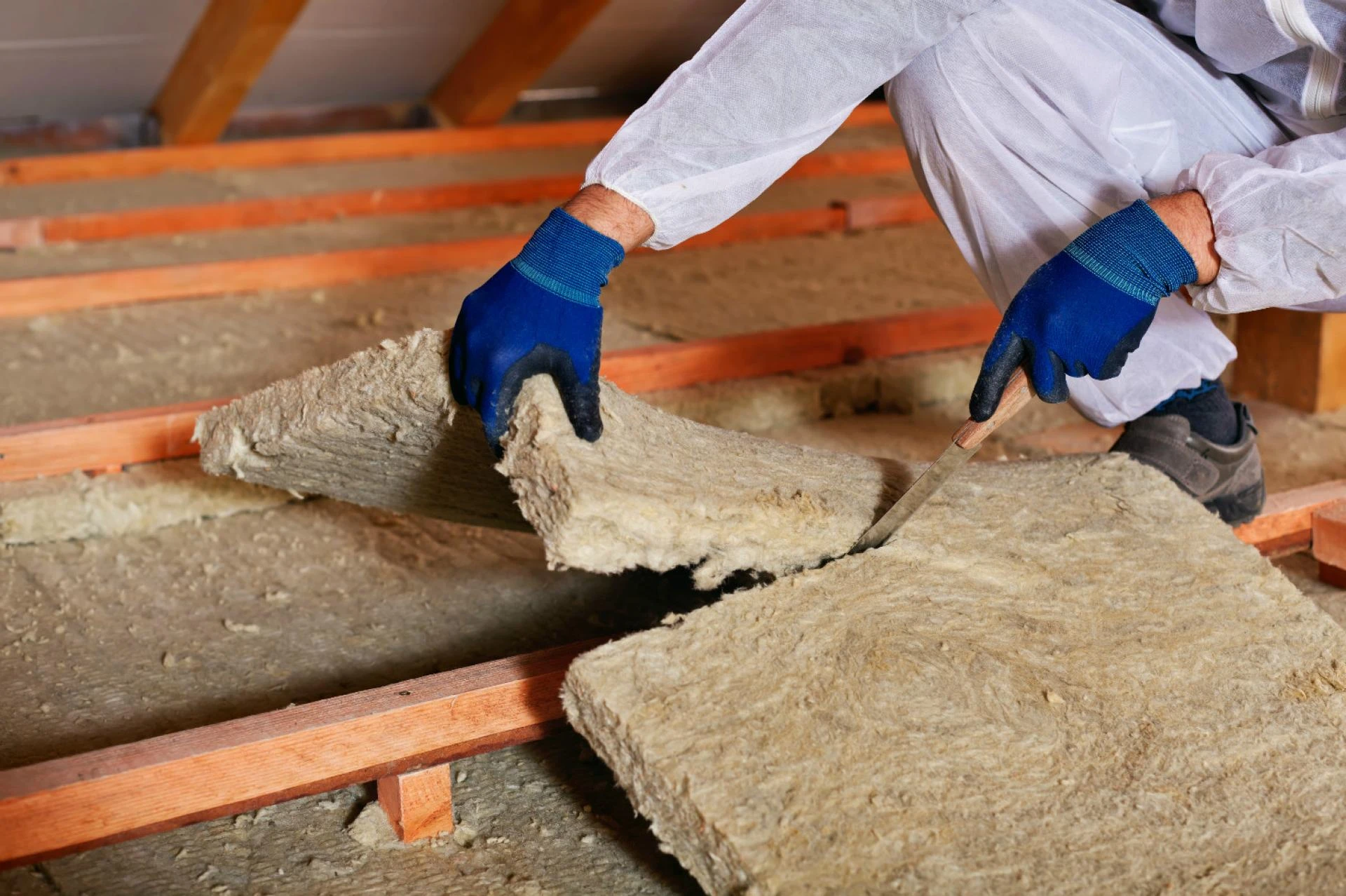
- Ideal for upgrading older homes quickly. Cellulose or fiberglass blown over attic floors to meet modern R-value standards.
- Insulation Removal
- Safe, thorough removal of outdated or contaminated insulation before retrofitting.
- Thermal Barrier Coatings
- Required fire-rated coatings over foam insulation in exposed areas, meeting building codes.
- Agricultural Foam and Coating
- Used in barns, sheds, and food storage buildings to stabilize temperatures naturally.
- Roof Coatings
- Reflective coatings extend roof life and improve thermal performance.
- Spray Foam Roof Insulation
- Adds thermal resistance and seals roof leaks, used in both flat and pitched roofs.
FAQ Section
What’s the lifespan of spray foam insulation?
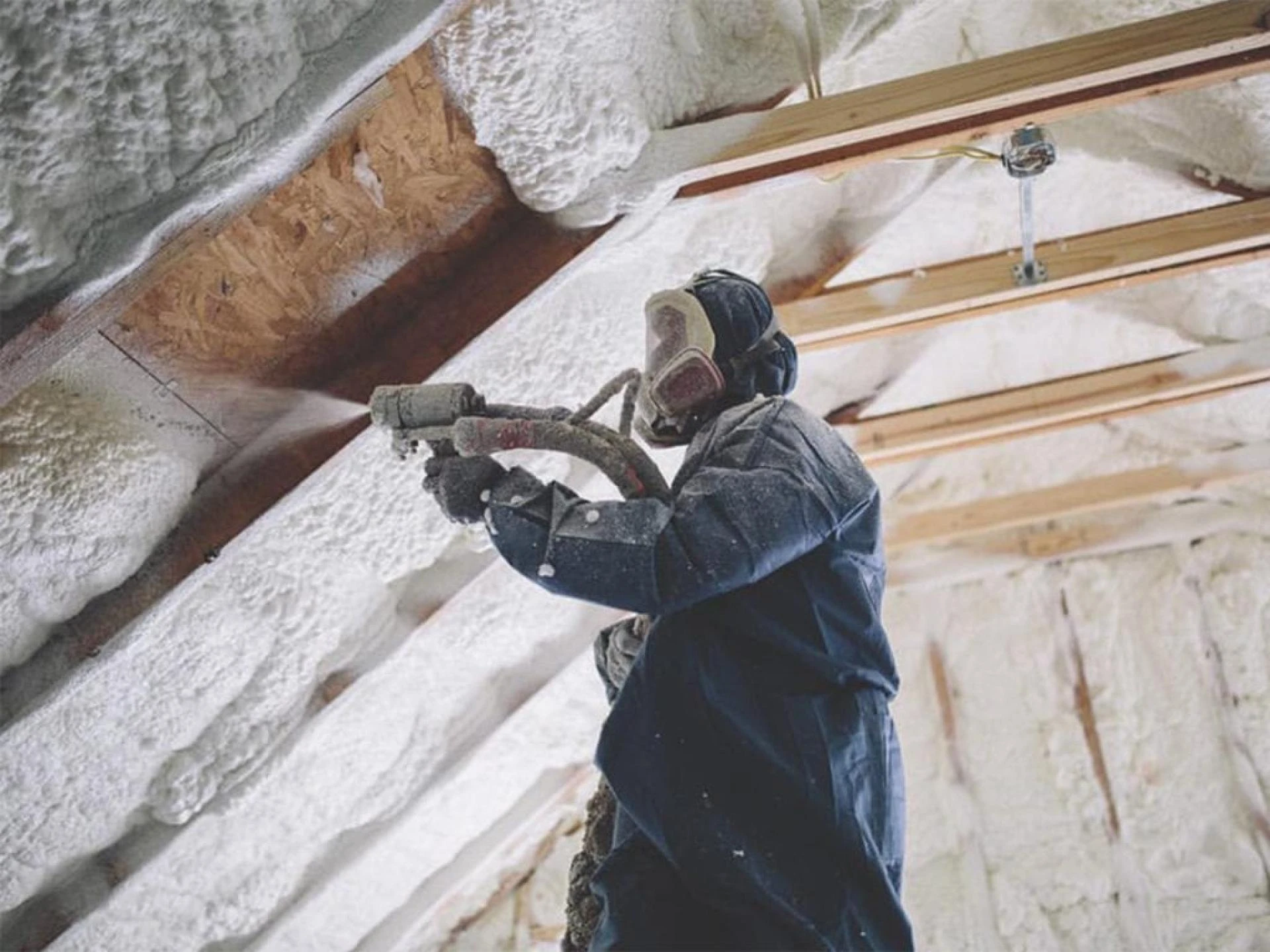
Spray foam typically lasts over 30 years when properly applied, outliving most other building materials.
How do I know if my home needs more insulation?
Rooms that change temperature quickly or have uneven heating/cooling usually signal air leakage or low R-values.
Is insulation alone enough to cut energy bills?
Insulation is the foundation, but optimal results come when combined with duct sealing and proper HVAC sizing.
Will upgrading insulation increase property value?
Yes. Homes with high-efficiency envelopes often see appraisal boosts, especially in energy-conscious markets.
Can insulation help with noise control?
Open-cell spray foam and dense cellulose offer strong sound-dampening properties, especially in interior walls and shared living spaces.
Ready to Achieve Peak Efficiency?
Apply these insights now: Schedule your tailored insulation assessment with Nevada Urethane. Experience cooler summers, warmer winters, and lower energy bills with the right upgrade today.
Contact:
📞 (775) 500-0024
Reviewer:
Maria Lopez offered detailed feedback after reviewing this post. Her 10 years of experience in spray foam work helped guide the tone and suggestions toward realistic strategies.










Sign in to leave a comment.