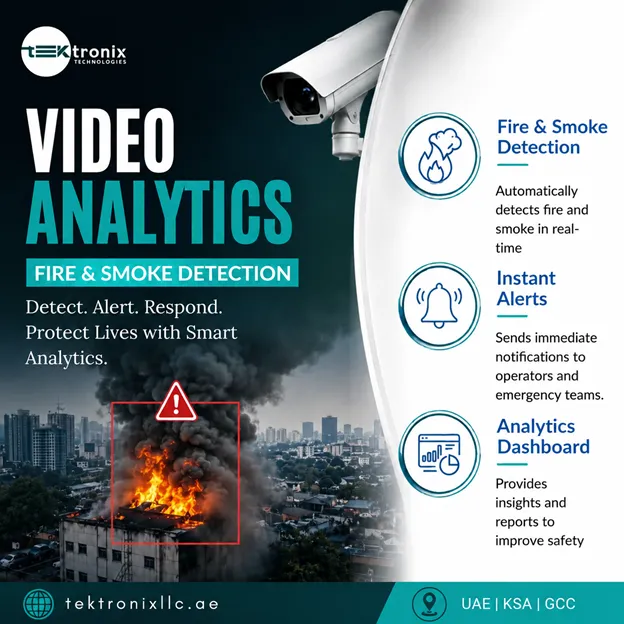

Traditional CCTV only records what happened; Video Analytics tells a business what is happening right now and what to do about it. As UAE organizations manage larger campuses, busier retail floors, and more complex logistics sites, more of them are turning existing camera networks into an intelligent layer of video analytics solutions that actively flags risk instead of waiting for someone to review footage after the fact.
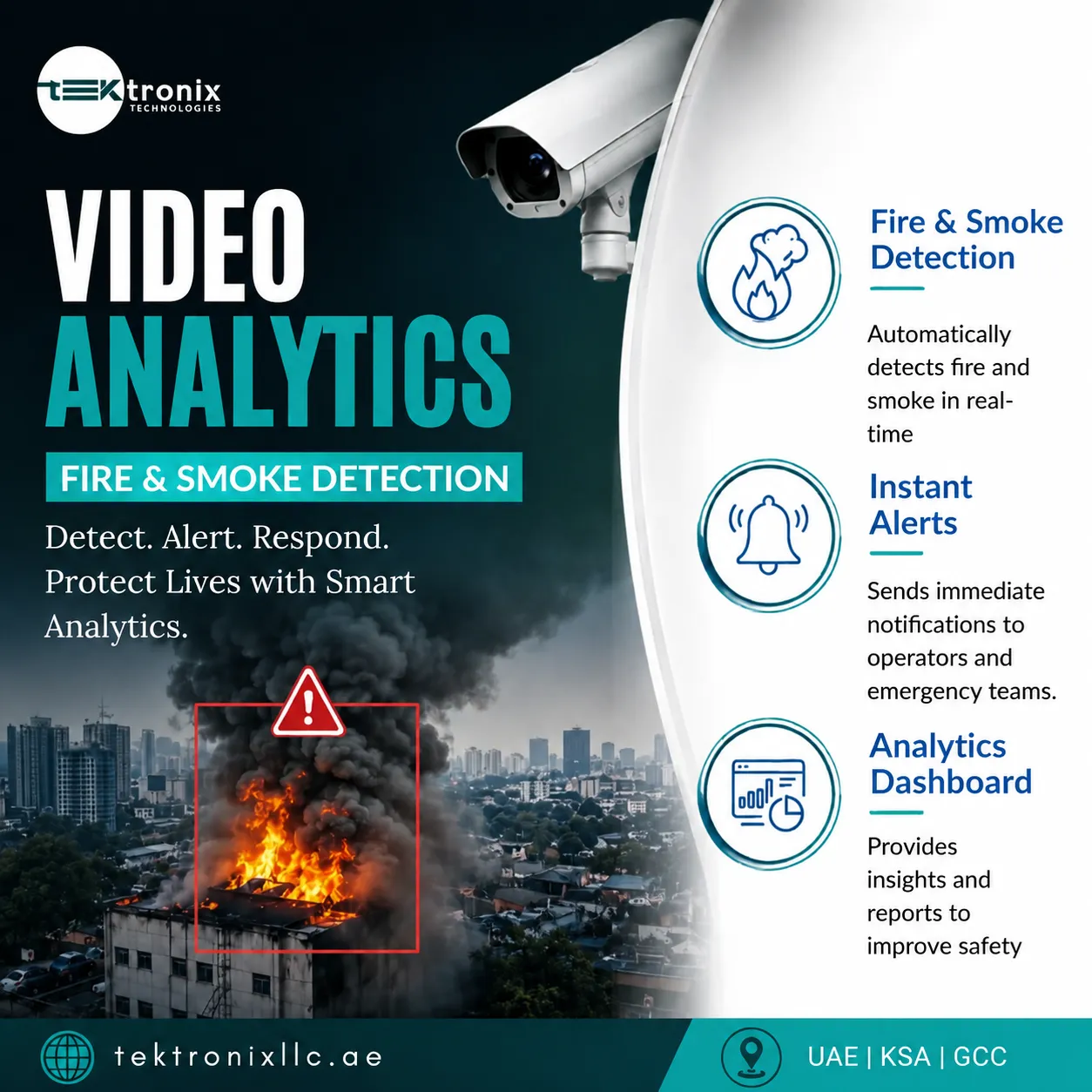
This guide explains how the underlying technology works, the specific capabilities worth evaluating, and how UAE businesses in Dubai and beyond are putting it to work across security, operations, and customer experience.
What Is Video Analytics and How Does It Work?
At its core, Video Analytics is software that automatically interprets video footage using computer vision and machine learning, rather than requiring a human to watch every frame. Cameras capture the raw footage, and the analytics engine processes each frame to detect objects, people, movement patterns, and events of interest in real time.
Instead of a security guard scanning dozens of monitors and hoping to catch something unusual, the system continuously applies the same detection logic to every camera at once, surfacing only the events that actually require human attention.
AI-Powered Video Analytics: Beyond Basic Motion Detection
Early-generation systems could only flag simple motion, which meant a blowing curtain or a passing cat triggered the same alert as a genuine intrusion. AI-Powered Video Analytics solves this by training deep-learning models to distinguish between people, vehicles, and objects, and to recognize context — the difference between a delivery driver walking to a loading dock and someone loitering near a restricted entrance after hours.
- Object classification that separates people, vehicles, and packages from background movement.
- Behavioural analysis that flags loitering, crowding, or unusual movement patterns.
- Continuous learning that reduces false positives as the system adapts to a site's normal activity.
Choosing the Right Video Analytics Software
Not all platforms are built the same way, and the right Video Analytics Software choice depends heavily on the number of cameras, the site's network bandwidth, and whether processing needs to happen locally or in the cloud. Edge-based platforms process video directly on or near the camera, reducing bandwidth needs and latency, while cloud-based platforms centralize processing and make multi-site management simpler.
Facilities managers should also weigh integration options carefully — a platform that connects cleanly with existing access control, alarm, and building management systems will deliver far more value than one that operates as an isolated silo.
Video Analytics Solutions Across Security and Operations
While security is the most obvious use case, well-implemented Video Analytics Solutions deliver value well beyond threat detection. Retailers use the same camera network to measure foot traffic and dwell time, logistics operators track vehicle movement through yards, and facilities teams monitor occupancy to plan cleaning schedules and space utilization more efficiently.
- Security: intrusion detection, loitering alerts, and restricted-zone monitoring.
- Operations: queue length monitoring, occupancy tracking, and traffic flow analysis.
- Customer experience: heat-mapping of busy zones to improve store or lobby layout.
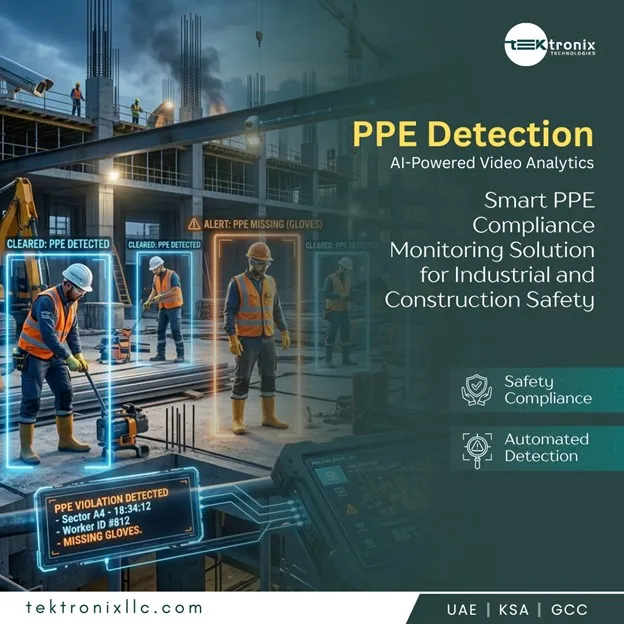
- Safety: fall detection, PPE compliance checks, and crowd-density alerts.
Real-Time Identity Verification for Faster, Safer Entry
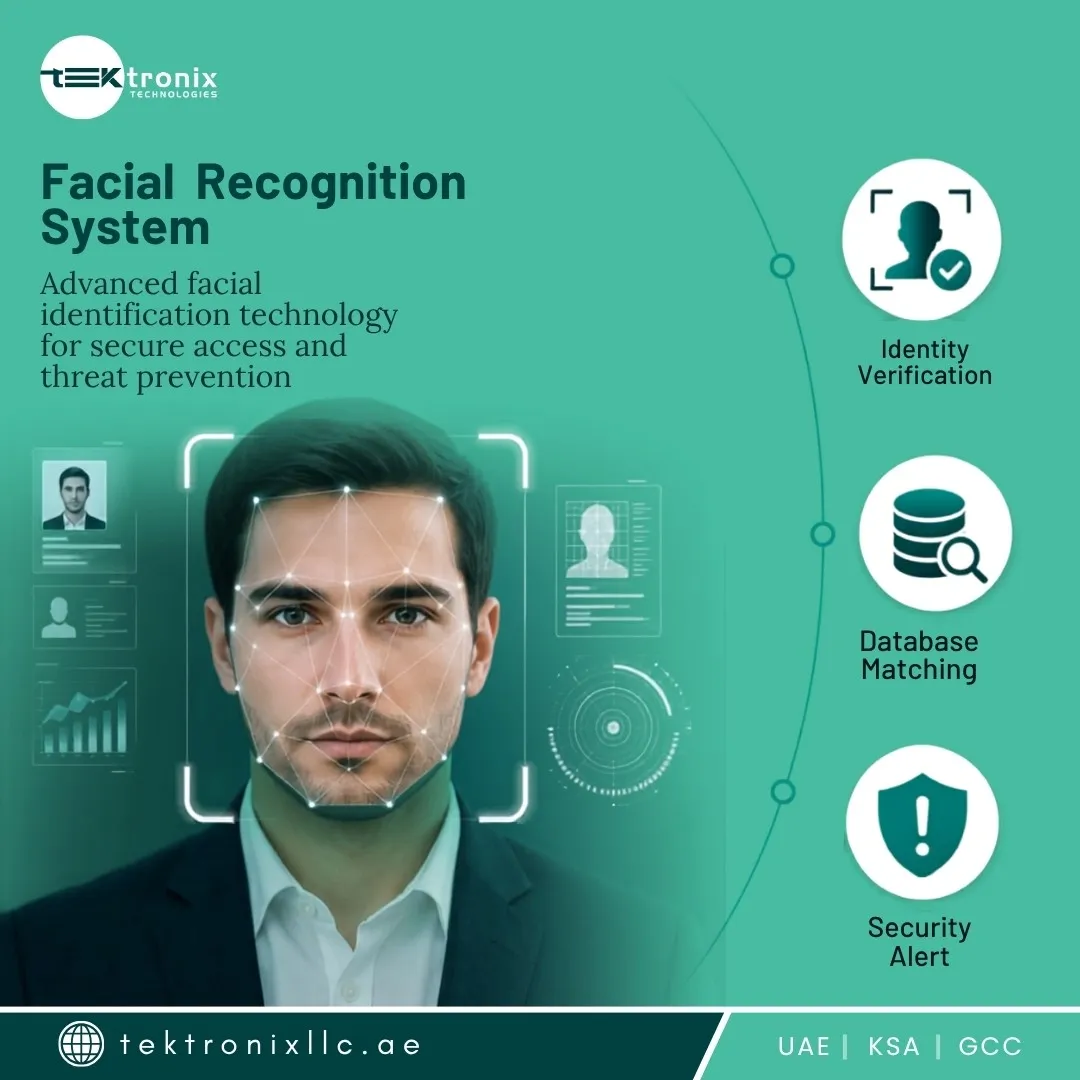
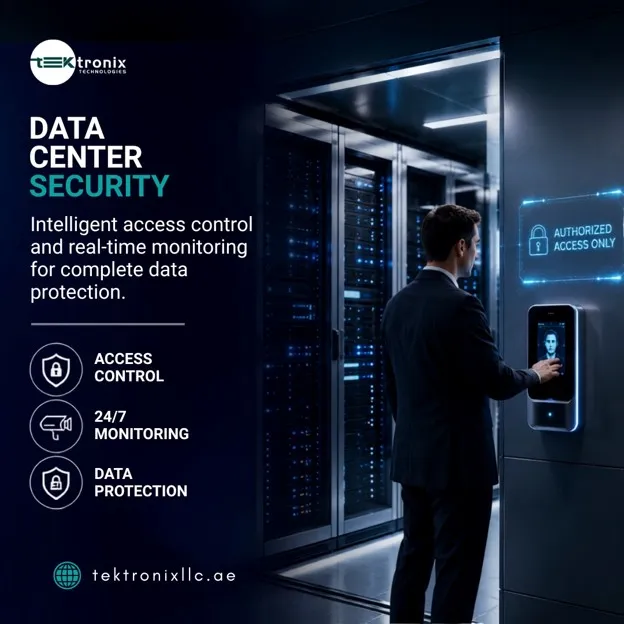
Combining video analytics with biometric matching enables Real-Time Identity Verification, where a camera at an entry point captures a face and compares it against an approved list in a fraction of a second. This is increasingly used alongside turnstiles, lobby entrances, and restricted zones to confirm identity without requiring a card tap or manual check, speeding up entry while keeping a verified log of every match.
Because the verification happens continuously and automatically, security teams gain confidence that every entry event reflects a genuinely matched identity rather than a shared or borrowed credential.
AI-Powered Threat Detection Before Incidents Escalate
The real value of intelligent surveillance comes from catching a developing situation before it becomes a full incident. AI-Powered Threat Detection continuously analyses behaviour patterns across every connected camera, flagging anomalies such as an unattended bag, a person moving against normal traffic flow, or an unauthorized individual attempting to enter a restricted zone — then pushing an immediate alert to the security team with the relevant video clip attached.
This shifts surveillance from a reactive tool used to investigate what already happened into a proactive layer that gives responders a genuine head start.
Anti-Spoofing: Keeping Biometric Verification Trustworthy
Any system relying on facial matching is only as reliable as its ability to confirm the person in front of the camera is real and physically present. Anti-Spoofing technology analyses depth, texture, and subtle movement cues to distinguish a live person from a printed photo, a mask, or a video replayed on a screen, closing off one of the most common ways attackers try to defeat biometric checks.
Pairing anti-spoofing with continuous behavioural analytics gives facilities two independent layers of assurance rather than relying on a single point of verification.
Video Analytics UAE: A Growing Priority for Modern Facilities
As smart-city initiatives and large-scale developments continue to expand across the country, Video Analytics UAE deployments are increasingly treated as standard infrastructure rather than an optional add-on to a security budget. Facilities managers are under pressure to demonstrate proactive, technology-backed monitoring, both to meet insurer expectations and to keep pace with the sophistication of the buildings they operate.
Common deployment scenarios include mixed-use towers, logistics parks, retail destinations, and transit hubs, where the sheer volume of daily activity makes manual monitoring impractical on its own.
Video Analytics Dubai: Where Demand Is Concentrated
Within the country, Video Analytics Dubai projects are especially concentrated around free-zone business parks, retail destinations, and transportation hubs, where high visitor volumes and premium developments both call for a level of monitoring sophistication that manual guarding alone cannot match. Facilities in these zones increasingly expect analytics to be integrated from the design stage rather than retrofitted after a security gap is identified.
Proven Technology Behind Reliable Video Analytics
Confidence in an analytics platform should rest on demonstrated accuracy, not marketing claims. Leading platforms are built on deep-learning models trained across large, diverse datasets and refined continuously to reduce false positives as they learn a site's normal activity patterns, with independent industry benchmarking increasingly used to validate detection accuracy across major vendors.
Tektronix LLC designs and integrates analytics deployments around this same standard, working directly with facilities teams to configure detection zones, alert thresholds, and system integrations correctly from day one — so a facility gets meaningful, actionable alerts rather than a flood of false triggers that gets ignored within the first week.
Edge vs. Cloud Processing: Which Fits Your Facility?
One of the most consequential technical decisions in any deployment is where video is actually processed. Edge-based analytics run directly on or near the camera, which keeps sensitive footage on-site, reduces bandwidth consumption, and lowers latency between an event occurring and an alert being generated — a meaningful advantage for facilities with limited network capacity or strict data-residency preferences.
Cloud-based analytics, by contrast, centralize processing off-site, which simplifies management across multiple locations and reduces the on-site hardware footprint, at the cost of relying on consistent internet connectivity. Many UAE facilities land on a hybrid model — edge processing for time-critical alerts at each site, with cloud aggregation for centralized reporting and multi-site dashboards.
Measuring the Business Value of a Video Analytics Investment
Facilities evaluating the cost of an analytics rollout should weigh it against the operational and security value it returns over time. Common, measurable outcomes include reduced incident response times, fewer hours spent manually reviewing recorded footage after an event, and better-informed staffing decisions based on actual occupancy and traffic data rather than estimates.
- Faster incident response through automated, real-time alerts instead of after-the-fact review.
- Reduced investigation time thanks to searchable, tagged event footage.
- Better resource planning using accurate occupancy and traffic pattern data.
- Lower loss-prevention costs in retail and warehousing environments.
Because these benefits span both security and operations budgets, many organizations find the business case easier to justify than a security-only investment would be on its own.
Industries Getting the Most from Video Analytics
- Retail and hospitality: foot traffic insights, loss prevention, and queue management.
- Logistics and warehousing: yard monitoring, vehicle tracking, and dock-area safety.
- Corporate offices: entry verification, occupancy tracking, and after-hours monitoring.
- Education: campus safety, restricted-zone alerts, and crowd monitoring at events.
- Healthcare: fall detection, restricted-area monitoring, and patient flow analysis.
- Government and critical infrastructure: perimeter monitoring and behavioural threat detection.
A Typical Video Analytics Deployment Process
- Site and camera audit: assessing existing camera coverage, resolution, and network capacity.
- Use-case definition: identifying the specific security and operational goals for each zone.
- Platform selection: choosing edge, cloud, or hybrid processing based on bandwidth and scale.
- Rule and zone configuration: setting detection zones, thresholds, and alert routing.
- Integration: connecting analytics output to access control, alarms, and management dashboards.
- Tuning and handover: refining detection accuracy and training the security team on daily use.
Following this sequence ensures the system is tuned to a facility's actual activity patterns before go-live, rather than generating a wave of false alerts that erodes staff confidence in the platform.
Common Mistakes That Undermine an Analytics Rollout
The most frequent issue is deploying analytics on cameras that were never positioned or angled correctly for the task, which limits detection accuracy regardless of how capable the software is. Another common gap is leaving default detection thresholds unchanged, resulting in either a flood of false alerts or, worse, missed genuine events because sensitivity was tuned too low.
A third avoidable mistake is treating analytics as a standalone project instead of integrating it with existing access control and alarm systems, which leaves security teams manually cross-referencing separate platforms instead of working from one unified alert stream.
Why Choose Tektronix LLC for Your Video Analytics Deployment
Getting real value from video analytics takes more than installing software on top of existing cameras — it requires the right camera placement, correctly tuned detection rules, and integration with the rest of the security stack. Tektronix LLC brings hands-on experience delivering AI-powered video analytics across UAE retail, logistics, and corporate environments, backed by certified engineers who configure every deployment around the facility's actual risk profile.
From initial site audit through platform selection, integration, and ongoing tuning, the team ensures every rollout delivers alerts that are accurate and actionable. Explore the complete range of video analytics solutions in Dubai to plan your facility's next security upgrade.
Conclusion
Video Analytics gives UAE businesses a proactive way to secure facilities and understand daily operations. With AI-Powered Video Analytics and the right Video Analytics Software, facilities move from reviewing footage after the fact to catching issues as they happen. Layering in Real-Time Identity Verification and AI-Powered Threat Detection strengthens response before incidents escalate. Built-in Anti-Spoofing keeps biometric verification trustworthy across every camera-enabled entry point.
For dependable Video Analytics UAE and Video Analytics Dubai deployments, Tektronix LLC is a trusted regional partner for modern Video Analytics Solutions.
FAQs
1. How is video analytics different from a standard CCTV camera system?
A standard CCTV system only records footage for later review, while Video Analytics software actively interprets that footage in real time, flagging relevant events automatically instead of waiting for a human to notice them.
2. Does video analytics require replacing our existing cameras?
Not always. Many Video Analytics Solutions can process footage from existing camera infrastructure, provided the resolution and placement are adequate for the detection use case; upgrades are usually targeted rather than a full replacement.
3. Can video analytics reduce false alarms compared to basic motion sensors?
Yes. AI-Powered Video Analytics distinguishes between people, vehicles, and irrelevant movement such as blowing debris, significantly reducing the false alerts common with older motion-only sensors.
4. How does real-time identity verification improve entry security?
By matching a live camera feed against an approved list instantly, Real-Time Identity Verification confirms who is actually entering a facility, rather than relying solely on a card or credential that could be shared or lost.
5. Is anti-spoofing necessary if we already use facial recognition?
Yes. Facial recognition confirms identity, but Anti-Spoofing confirms that the face being presented belongs to a live, physically present person, closing a gap that photo or video-based spoofing attempts could otherwise exploit.
For more information contact us on:
Tektronix Technology Systems Dubai-Head Office
+971 50 814 4086
+971 55 232 2390
Office No.1E1 | Hamarain Center 132 Abu Baker Al Siddique Rd – Deira – Dubai P.O. Box 85955




























Sign in to leave a comment.