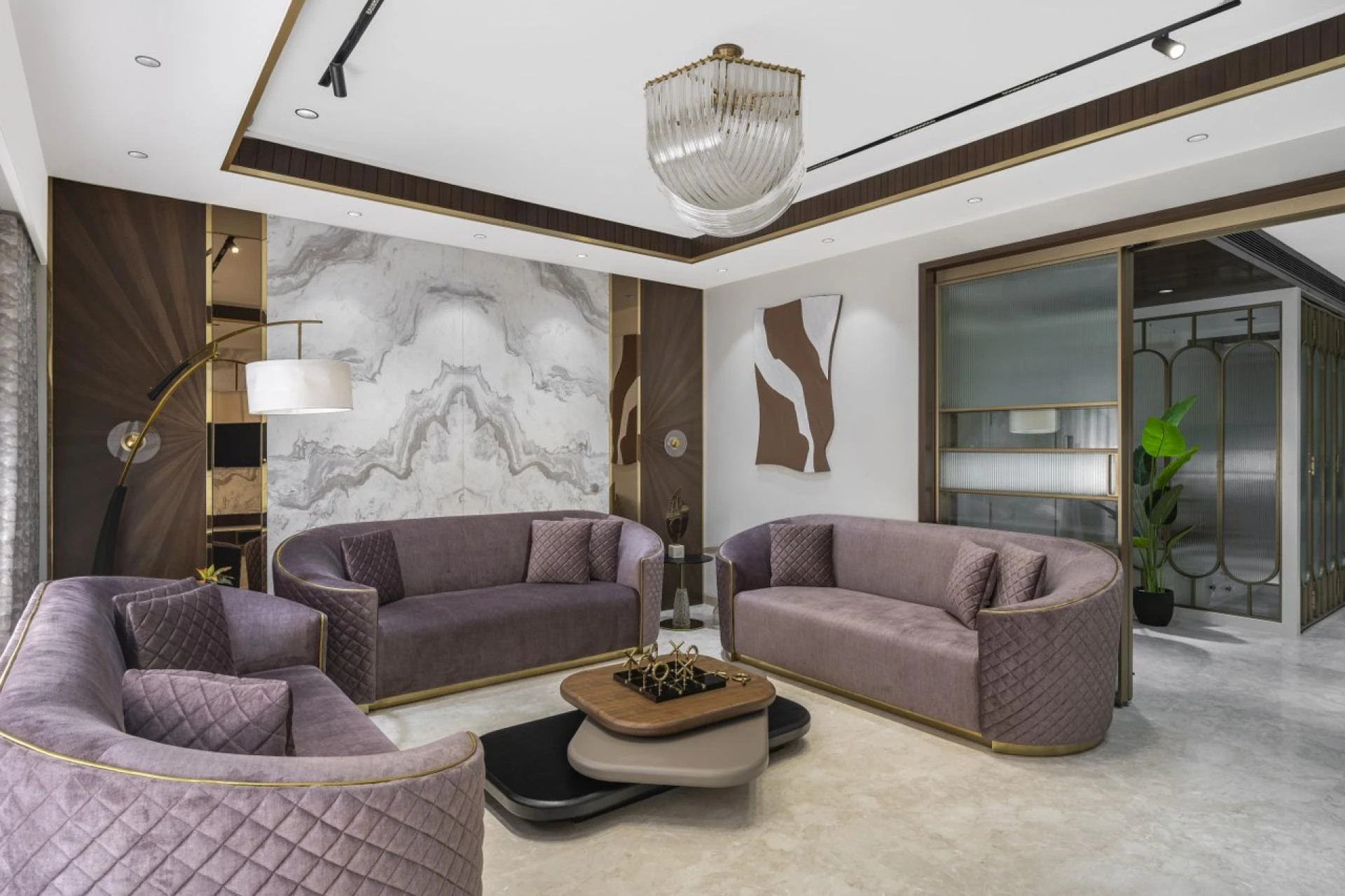

Designing the interior of your home can be one of the most rewarding yet challenging tasks. A well-designed home not only reflects your personal taste but also enhances functionality and comfort. However, even the most enthusiastic decorators can make mistakes that compromise the beauty and practicality of their space. Whether you’re revamping a single room or renovating the entire house, being aware of common interior design mistakes can help you create a cohesive, inviting, and timeless home.
Ignoring the Importance of a Design Plan
One of the biggest mistakes homeowners make is starting without a clear design plan. Many people jump into buying furniture, paint, or décor items without considering how everything will work together. This can result in a mismatched and cluttered space. Before purchasing anything, take time to visualize your design goals. Create a mood board or use design software to experiment with color schemes, furniture placement, and lighting options. Planning ensures that every element in your home complements the other, leading to a balanced and harmonious look.
Choosing the Wrong Paint Colors
Paint can dramatically change the atmosphere of any room, but picking the wrong shade is a common mistake. Many homeowners choose paint colors before selecting furniture or lighting, which can lead to an unpleasant clash. Colors often look different under natural light compared to artificial light, so always test paint samples on your walls before finalizing. Neutral colors generally work best for large spaces, while bold hues can be used strategically in accent areas to add personality without overwhelming the room.
Overcrowding the Space
A frequent design error is filling every corner of your home with furniture and décor. While it’s tempting to include all your favorite pieces, overcrowding makes the space feel smaller and chaotic. Each room should have enough breathing space for easy movement and visual balance. Choose furniture that fits the scale of the room and avoid unnecessary items that don’t serve a functional or aesthetic purpose. Remember that minimalism often enhances elegance and comfort.
Poor Lighting Choices
Lighting plays a crucial role in setting the tone and mood of your home. Many people rely solely on a single overhead light, which can make a room feel flat and uninviting. A good lighting plan includes three layers: ambient, task, and accent lighting. Ambient lighting provides overall illumination, task lighting focuses on specific activities like reading or cooking, and accent lighting highlights artwork or architectural features. Mixing these types ensures that your home feels warm and well-balanced at all times.
Ignoring Functionality for Aesthetics
While visual appeal is important, functionality should never be compromised. Many homeowners choose stylish furniture or accessories that don’t fit their lifestyle. For example, choosing a delicate fabric sofa when you have kids or pets can quickly lead to regret. Similarly, an open shelving kitchen may look beautiful but can become impractical for storing everyday items. Always think about how you live and how each space in your home will be used before finalizing design decisions.
Even in bathrooms, combining function with efficiency—such as installing High Sierra Showerheads for better water conservation and comfort—can improve both sustainability and daily living convenience.
Incorrect Furniture Placement
Even the most beautiful furniture can look awkward if it’s poorly arranged. Pushing all furniture against the walls or blocking natural pathways can disrupt the flow of a room. Try creating conversation zones by placing furniture closer together and leaving enough walking space. In living rooms, consider floating your sofa in the middle with a rug underneath to anchor the area. Proper furniture placement not only improves aesthetics but also enhances the comfort and usability of your home.
Neglecting Scale and Proportion
Scale and proportion are critical elements in interior design that often go unnoticed. Using furniture that is too large for a small room or too small for a large space creates imbalance. Similarly, hanging small art pieces on a large wall or placing an oversized chandelier in a small dining area can distort the room’s proportions. The key is to ensure that every piece is appropriately sized relative to the room and to each other. This balance creates a sense of harmony and flow throughout your home.
Forgetting About Storage Solutions
A clutter-free home is essential for peace of mind and aesthetics. However, many homeowners overlook storage when designing interiors. Beautiful design is meaningless if your space is constantly messy. Incorporate smart storage options like built-in cabinets, multipurpose furniture, and under-bed drawers. These not only help maintain organization but also preserve the visual appeal of your rooms. In small spaces, vertical storage and hidden compartments can make a huge difference.
Using the Wrong Rugs
Rugs add warmth and texture to a space, but choosing the wrong size or style can disrupt the entire design. A rug that’s too small can make furniture look disconnected, while one that’s too large may overwhelm the room. Ideally, your rug should fit under the front legs of your furniture or define a specific zone, like a seating or dining area. Matching the rug’s color and texture to your room’s palette can tie everything together beautifully in your home.
Ignoring the Ceiling and Walls
Ceilings and walls are often the most neglected design areas in a home. Many homeowners focus only on furniture and flooring, missing opportunities to add character above and around. A painted ceiling, decorative molding, or statement wallpaper can bring dimension and elegance to a room. Similarly, blank walls can be enhanced with art, mirrors, or shelving. Paying attention to these vertical spaces ensures a complete and sophisticated interior.
Lack of Personal Touch
Your home should tell your story, not just follow design trends. Many people make the mistake of copying styles from magazines or online inspirations without adding their personality. Incorporate personal items like family photos, travel souvenirs, or handmade décor to make the space uniquely yours. A well-designed home feels authentic, comfortable, and reflective of your individual taste.
Forgetting About Flow Between Rooms
Each room in your home should feel connected rather than isolated. Using drastically different styles or color schemes in every room can make your house feel disjointed. To maintain a smooth flow, use a consistent color palette or recurring design elements like similar flooring, trim, or hardware. This continuity makes your home feel cohesive and well-thought-out.
Not Updating Old Design Elements
Holding on to outdated fixtures or furniture can drag down the overall appeal of your home. Small updates such as changing cabinet handles, repainting walls, or replacing old lighting fixtures can instantly refresh your space. Design trends evolve, but maintaining a modern and clean aesthetic ensures your home remains timeless.
Skipping Professional Advice
While DIY design projects can be fun, seeking advice from a professional interior designer can save you time and costly mistakes. Professionals can provide insight on space planning, color coordination, and materials that fit your budget and lifestyle. Even a short consultation can make a big difference in achieving your dream home.
Conclusion
Designing your home is an exciting journey, but it requires thoughtful planning and awareness of common pitfalls. Avoiding these interior design mistakes can help you create a home that’s not only stylish but also functional and inviting. By balancing aesthetics with practicality, maintaining proportion, and adding personal touches, you can transform any space into a beautiful and comfortable haven that truly feels like home.

























Sign in to leave a comment.