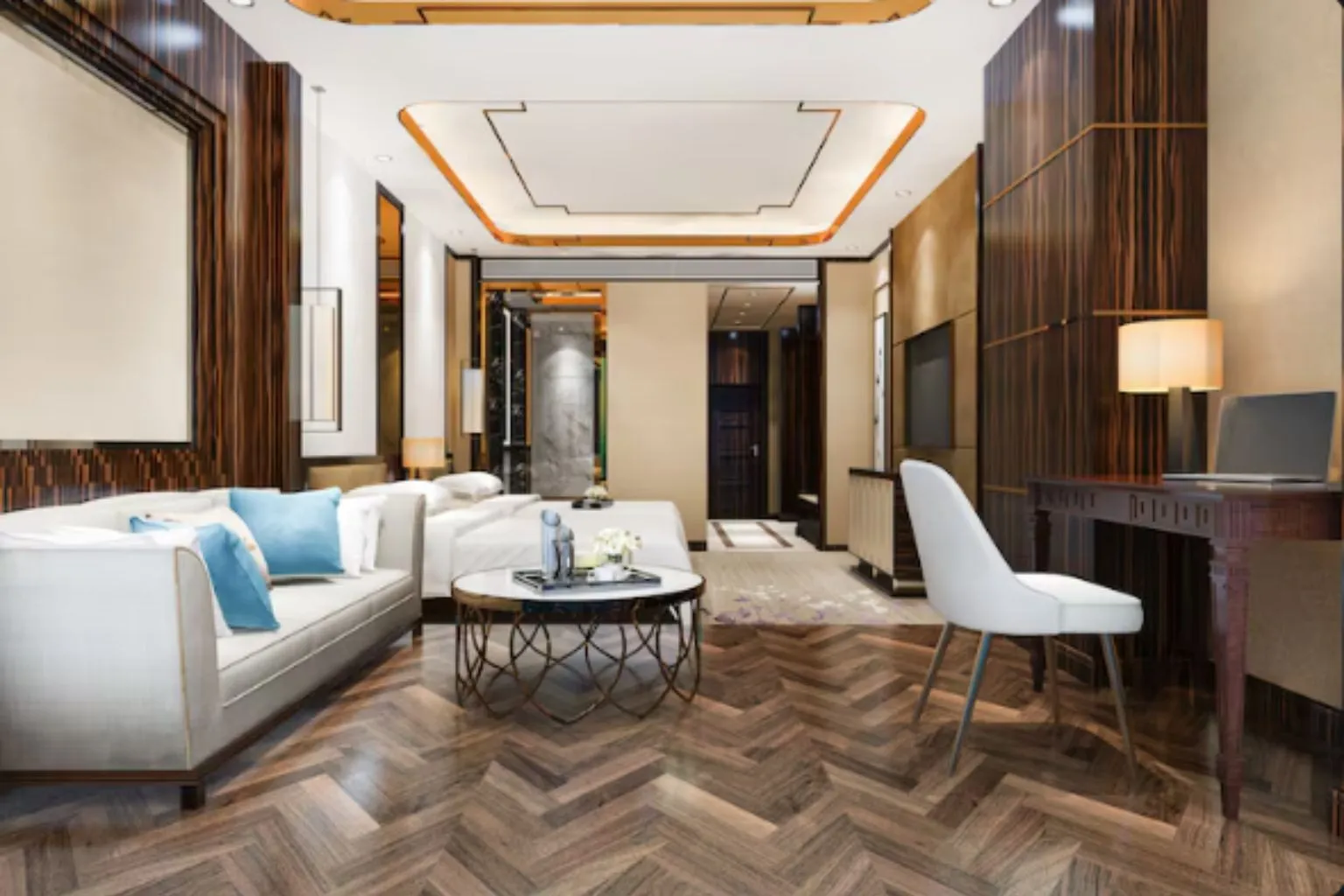

An interior design portfolio is one of the most important assets for every aspiring designer. It showcases your creativity, technical knowledge, design thinking, and ability to solve real design challenges. Whether you are applying for internships, placements, freelance projects, or higher studies, a well-prepared portfolio creates a strong first impression. Students pursuing an interior designing course in kolkata should begin building their portfolio from the first year because every project contributes to their professional growth and future career opportunities.
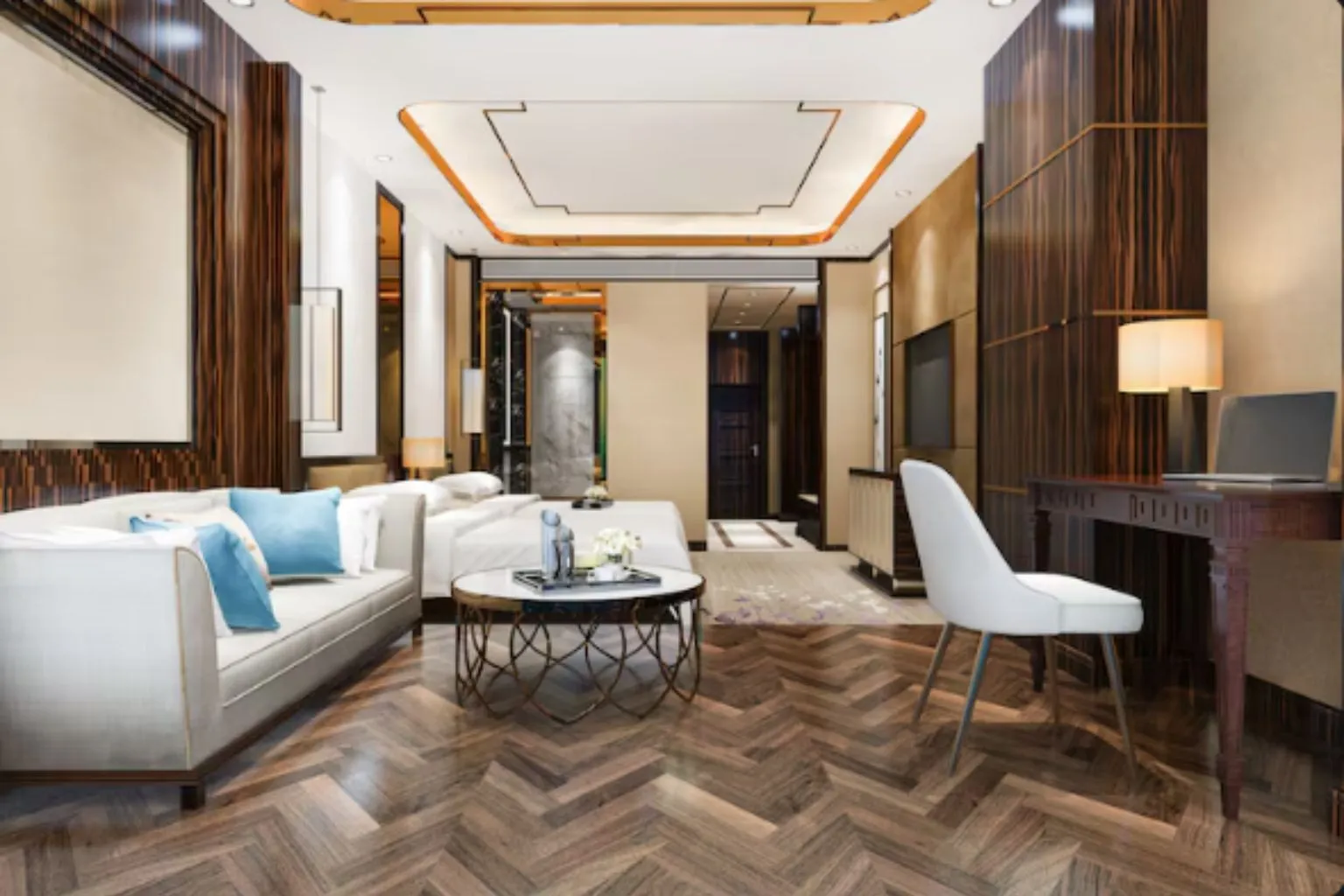
Showcase Your Best Projects
A portfolio should highlight your strongest work instead of including every assignment completed during your course. Recruiters and clients prefer quality over quantity because it reflects your design standards and creative abilities. Select projects that demonstrate a variety of skills, including residential interiors, commercial spaces, furniture layouts, and concept development.
Every project should represent your current level of expertise and attention to detail.
Present Your Complete Design Process
A professional portfolio should explain how you develop a design from the initial concept to the final presentation. Include research, inspiration boards, space planning, layout development, material selection, color palettes, furniture planning, technical drawings, and final visualizations.
Showing your design process helps employers understand your problem-solving approach rather than only evaluating the finished outcome.
Include Technical Drawings
Technical drawings demonstrate your understanding of professional design practices. Floor plans, elevations, sections, electrical layouts, ceiling plans, and furniture layouts show that you can convert creative ideas into practical solutions that contractors and clients can understand.
Students studying at an interior design institute in kolkata should develop strong drafting skills because technical documentation remains an essential part of every interior design project.
Add High-Quality 3D Visualizations
Three-dimensional models and realistic renderings help clients visualize the final space before construction begins. Including projects created using AutoCAD, SketchUp, 3ds Max, Revit, or V-Ray demonstrates your digital expertise and improves the overall quality of your portfolio.
Professional visual presentations also show your ability to use industry-standard software confidently.
Keep the Portfolio Well Organized
A clean and structured portfolio is easier to review. Arrange projects in a logical sequence with consistent formatting, readable typography, and high-quality images. Every project should include a brief explanation describing the design objective, client requirements, concept, and final outcome.
Simple layouts help recruiters focus on your work instead of being distracted by unnecessary design elements.
Update Your Portfolio Regularly
Your portfolio should evolve as your skills improve. Replace older academic assignments with stronger projects completed through internships, workshops, competitions, or live industry experiences. Keeping your portfolio updated demonstrates continuous learning and professional development.
Students studying at an interior design college in kolkata should review their portfolios every semester to ensure they represent their latest work and capabilities.
Learn Through Practical Experience
Real-world experience adds significant value to any portfolio. Internships, workshops, site visits, exhibitions, and live projects provide opportunities to solve practical design challenges and create professional-quality work.
Indian Institute of Fashion & Design, Kolkata (IIFD) offers more than 25 specialized programs across Fashion Design, Interior Design, and Textile Design. The institute focuses on practical learning through workshops, internships, industry visits, live projects, portfolio development, and design exhibitions, helping students create industry-ready portfolios that reflect both creativity and technical expertise.
Frequently Asked Questions
Why is an interior design portfolio important?
A portfolio showcases your creativity, technical skills, design process, and project experience, making it essential for internships, placements, and freelance opportunities.
What should students include in an interior design portfolio?
Students should include concept development, mood boards, floor plans, technical drawings, 3D visualizations, material selections, furniture layouts, and completed projects.
Should software projects be included?
Yes. Projects created using AutoCAD, SketchUp, 3ds Max, Revit, and other design software demonstrate technical expertise and improve portfolio quality.
How many projects should a portfolio contain?
A portfolio should include your best projects rather than a large number of average assignments. Quality always creates a stronger impression.
How often should I update my portfolio?
Students should update their portfolios regularly by replacing older work with stronger academic, internship, and live project experiences.
Final Note
A well-structured interior design portfolio reflects your creativity, technical expertise, and professional growth. Focusing on quality projects, presenting your complete design process, and continuously improving your work through practical experience will help you stand out during internships, placements, and future career opportunities.






















Sign in to leave a comment.