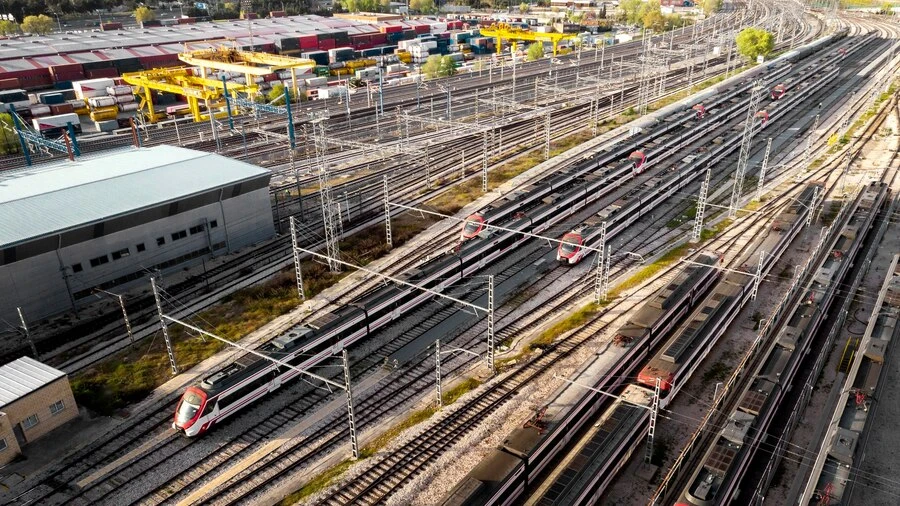

Interlocking Logic Circuits: Foundations of Railway Signal Safety
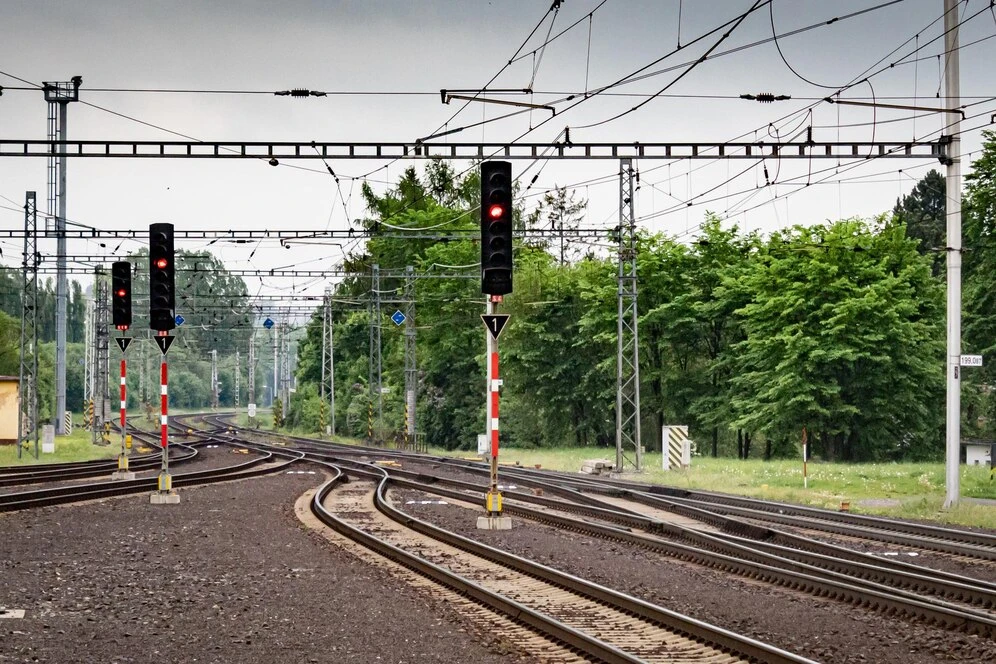
Railway signalling systems form the backbone of safe train operations. One crucial component is the Interlocking Logic Circuits in Railway Signalling, which ensure that conflicting train routes cannot be set at the same time. These circuits play an essential role in preventing accidents, enabling smooth and safe rail movements by controlling signal lights and points based on the position and condition of the railway track ahead.
An interlocking system is a set of safety rules translated into a mechanical or electronic form, ensuring that trains can move without interference or collision. In earlier systems, mechanical and relay-based interlockings were used, but they are now being replaced by more advanced electronic interlocking systems. Sensedge is a key player in this transition, providing the necessary tools to streamline railway interlocking processes by ensuring efficient and safe automation solutions.
Verification and Validation in Interlocking Systems
As the complexity of railway signalling systems increases with automation, the importance of Verification and Validation in Interlocking Systems (V&V) in interlocking systems becomes paramount. These processes are essential to confirm that the system functions correctly and that all safety protocols are rigorously followed. Verification ensures that the system is designed according to the specified requirements, while validation tests the system in real-world conditions to ensure that it behaves as expected.
Verification and validation help identify flaws or malfunctions in interlocking systems before they are deployed, thus preventing potential safety hazards. In modern railway systems, V&V procedures are crucial in certifying electronic interlocking systems, which are more intricate than traditional relay-based systems. Sensedge, as a leading company in railway signalling automation, provides comprehensive V&V solutions to ensure the robustness of these critical systems.
Electronic Interlocking System in Railways
The transition from traditional to Electronic Interlocking System in Railways systems has revolutionized the railway industry. Traditional mechanical and relay-based systems, though reliable, required significant maintenance and were limited in their capabilities. On the other hand, electronic interlocking systems provide enhanced flexibility, efficiency, and safety. By using microprocessors and software algorithms, EI systems ensure that signalling rules are adhered to while allowing for easier upgrades and maintenance.
Electronic interlocking systems control train movements by managing track circuits, points, and signals. They prevent trains from colliding by ensuring that conflicting routes are not allowed simultaneously. These systems are scalable and can be adapted to different network sizes, from small regional railways to vast, complex urban networks. Sensedge has been at the forefront of this transformation, offering innovative EI solutions that enhance operational safety and efficiency.
The electronic interlocking system integrates seamlessly with other components, such as the trackside equipment, train control systems, and centralized control rooms. It can also be remotely monitored and controlled, significantly improving the response time for operators and maintenance teams. This seamless integration is a crucial factor in the modernization of railways worldwide, reducing operational costs and improving service reliability.
Railway Automation Companies
Automation is a key driver in the evolution of railway signalling systems. Railway Automation Companies are at the cutting edge of technological advancements, developing systems that enhance the safety, efficiency, and reliability of rail operations. These companies provide a wide range of products and services, including interlocking systems, signalling solutions, communication systems, and train control technologies.
Automation in railways aims to reduce human intervention, thereby minimizing errors and improving operational efficiency. Automated systems enable trains to run closer together, increasing the capacity of the rail network without compromising safety. They also facilitate real-time monitoring and predictive maintenance, ensuring that potential issues are addressed before they cause disruptions.
Sensedge, as one of the leading railway automation companies, is driving this transformation. By focusing on the development of advanced signalling systems and interlocking logic solutions, Sensedge helps railway operators achieve high levels of automation and safety. Their expertise in integrating electronic interlocking systems with other railway control systems ensures that operators have access to cutting-edge technology, paving the way for the next generation of railway systems.
Sensedge's Role in Railway Signalling Automation
As the demand for safe, efficient, and reliable railway operations grows, automation becomes an inevitable solution. Sensedge specializes in the development and implementation of advanced railway signalling and interlocking systems. Their focus on innovation has made them a trusted partner for railway operators looking to modernize their infrastructure.
Sensedge’s electronic interlocking systems are designed to provide flexibility and scalability, catering to both small and large railway networks. The company offers end-to-end solutions, from the design and installation of interlocking systems to their verification, validation, and long-term maintenance. This holistic approach ensures that Sensedge can meet the diverse needs of its clients, enabling them to achieve optimal performance while maintaining the highest levels of safety.
By incorporating the latest technologies, Sensedge’s solutions are designed to be future-proof. Their Electronic Interlocking System are compatible with emerging railway technologies such as the European Train Control System (ETCS) and other Automatic Train Control (ATC) systems. This compatibility ensures that railway operators can easily upgrade their systems as new technologies become available, without the need for costly overhauls.





















Sign in to leave a comment.