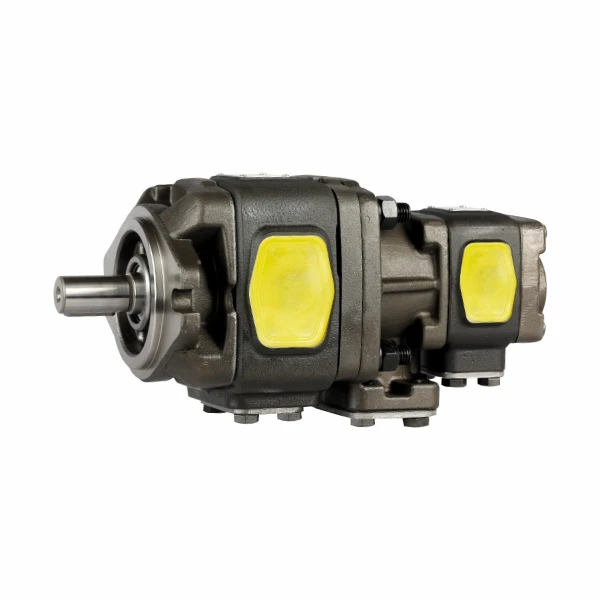
When it comes to fluid transfer and pumping applications, choosing the right type of pump is essential for efficient and reliable performance. Two popular options in the world of positive displacement pumps are internal gear pump and external gear pump. Each of these pump types has its unique characteristics and advantages, making the decision between them an important one. In this blog, we'll explore the differences and help you determine which one is the right choice for your specific needs.
Internal Gear Pumps
Internal gear pumps are known for their exceptional efficiency and durability. They are designed with an inner rotor that drives an outer rotor, creating a tight, non-contacting seal between the gears. This design minimizes leakage, making internal gear pumps suitable for handling a wide range of fluids, from thin to highly viscous ones.
One of the primary advantages of internal gear pumps is their ability to provide consistent flow, even at high pressures. This makes them ideal for applications where precision and reliability are critical, such as hydraulic systems, fuel transfer, and lubrication.
Internal gear pumps are also well-suited for handling abrasive or corrosive fluids, thanks to their robust construction. Additionally, their compact size and quiet operation make them a popular choice for various industries, including automotive, food processing, and pharmaceuticals.
External Gear Pumps
External gear pumps, on the other hand, are designed with two external gears that mesh together to create a pumping action. These pumps are often chosen for their simplicity and cost-effectiveness. They offer good overall efficiency and are capable of handling a wide range of viscosities, although they may not be as efficient as internal gear pumps when it comes to thick or highly viscous fluids.
External gear pumps excel in applications where a consistent, steady flow is required. They are commonly used for transferring non-abrasive fluids, including oils, fuels, and hydraulic fluids. Their uncomplicated design and ease of maintenance make them a popular choice for various industrial and automotive applications.
Choosing the Right Pump for Your Application
Now that we've discussed the key features of internal gear pumps and external gear pumps, it's time to determine which one is the right choice for your specific needs. Consider the following factors:
Fluid Viscosity: If you're dealing with highly viscous fluids, internal gear pumps are likely the better option due to their excellent handling of such substances.
Flow Consistency: For applications that require a consistent and steady flow, both internal and external gear pumps can be suitable. However, internal gear pumps may offer slightly better precision and stability.
Cost and Maintenance: External gear pumps tend to be more cost-effective and easier to maintain. If your budget is a concern, this could be a deciding factor.
Application Specifics: Consider the unique requirements of your application. If it involves abrasive or corrosive fluids, internal gear pumps may be a safer choice.
In conclusion, the choice between internal gear pumps and external gear pump depends on the specific needs of your application. Both pump types offer distinct advantages, and the decision should be based on factors such as fluid viscosity, flow consistency, cost, and application requirements. Consulting with a pump specialist can also help you make an informed decision and ensure that you choose the right pump for your unique situation.











Sign in to leave a comment.