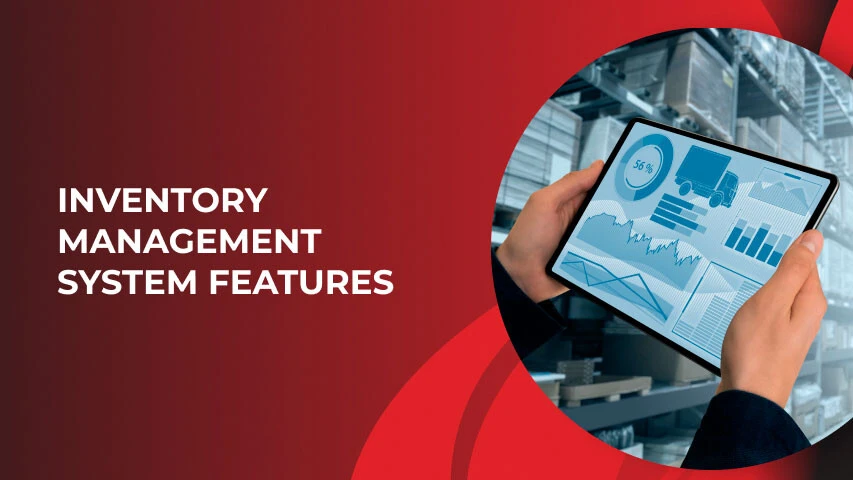

An inventory management system (IMS) is a software solution that helps businesses track and manage their inventory levels. IMS systems can be used by businesses of all sizes, from small retailers to large manufacturers.
IMS systems offer a variety of features, but some of the most common include:
- Centralized inventory management: IMS systems allow businesses to store and manage all of their inventory data in one centralized location. This makes it easy to track inventory levels across multiple locations and channels.
- Barcoding and tagging: IMS systems can be integrated with barcoding and tagging systems to automate the inventory tracking process. This can help to improve accuracy and efficiency.
- Inventory tracking: IMS systems track inventory levels in real time. This allows businesses to identify low stock levels and potential stockouts early on.
- Reporting tools: IMS systems generate a variety of reports that can be used to track inventory trends, identify slow-moving items, and make better inventory management decisions.
- Inventory forecasting: IMS systems can be used to forecast future inventory needs based on historical sales data. This can help businesses to avoid overstocking and understocking.
- Inventory alerts: IMS systems can generate alerts when inventory levels fall below a certain threshold or when products are about to expire. This can help businesses to avoid stockouts and waste.
- Inventory security and backups: IMS systems typically offer security features to protect inventory data from unauthorized access. They also typically offer backup features to protect data from loss or corruption.
- IoT integration: Some IMS systems can be integrated with the Internet of Things (IoT) to collect data from sensors in warehouses and other locations. This data can be used to track inventory levels and other important metrics in real time.
In addition to these core features, many IMS systems also offer additional features such as:
- Purchase order management: IMS systems can be used to generate and manage purchase orders. This can help businesses to automate the purchasing process and reduce errors.
- Supplier management: IMS systems can be used to store and manage supplier information. This can help businesses to track supplier performance and negotiate better prices.
- Warehouse management: IMS systems can be used to manage warehouse operations such as picking, packing, and shipping. This can help businesses to improve efficiency and accuracy.
The specific features that are right for a business will depend on its size, industry, and specific needs. However, all businesses can benefit from using an IMS system to improve their inventory management.


























Sign in to leave a comment.