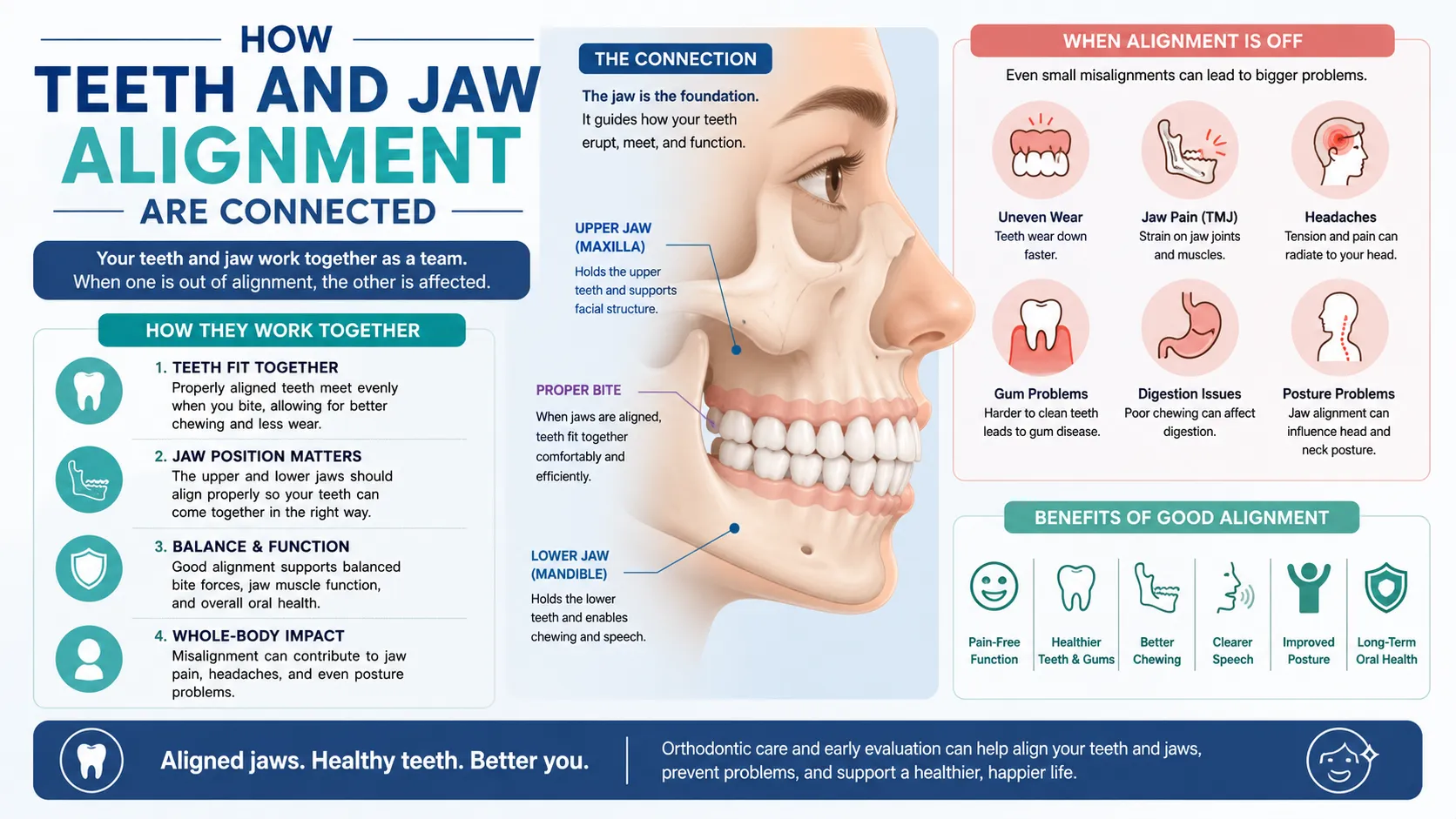

A well-balanced smile involves more than straight teeth. The alignment of your bite and the relationship between your upper and lower jaws play a significant role in oral health, comfort, and everyday function. When teeth are not positioned correctly, it can affect the way you chew, speak, and maintain your dental health. Bite irregularities may also contribute to uneven tooth wear, jaw strain, and reduced confidence in your smile.
Advancements in orthodontic care have introduced treatment options that are both effective and discreet. Among these innovations, Invisalign has become a preferred solution for individuals seeking orthodontic correction without traditional metal braces. Using a sequence of clear aligners customized for each patient, Invisalign gradually moves teeth into ideal positions while improving overall bite harmony.
Understanding how Invisalign supports jaw alignment can help patients make informed decisions about their orthodontic journey and long-term oral health.
Why Jaw Alignment Matters
The way your teeth come together affects much more than appearance. Proper alignment allows the teeth, jaw muscles, and joints to function efficiently. When the bite is balanced, chewing becomes easier, speech is clearer, and excessive pressure on individual teeth is reduced.
Misalignment can develop for various reasons, including hereditary factors, childhood habits, premature tooth loss, delayed eruption of permanent teeth, or developmental irregularities. Over time, these issues may lead to complications that impact both oral function and smile aesthetics.
A properly aligned bite contributes to:
- Better chewing efficiency
- Improved speech development
- Reduced stress on jaw joints
- Enhanced oral hygiene
- Lower risk of abnormal tooth wear
- Greater comfort during daily activities
- Improved facial symmetry
- Increased self-confidence
Addressing bite concerns early often helps prevent more complex dental challenges in the future.
Recognizing Bite and Jaw Alignment Issues
Many individuals are unaware they have bite-related problems until a dental examination reveals them. Some symptoms may appear gradually and become more noticeable over time.
Common indicators include:
- Difficulty chewing certain foods
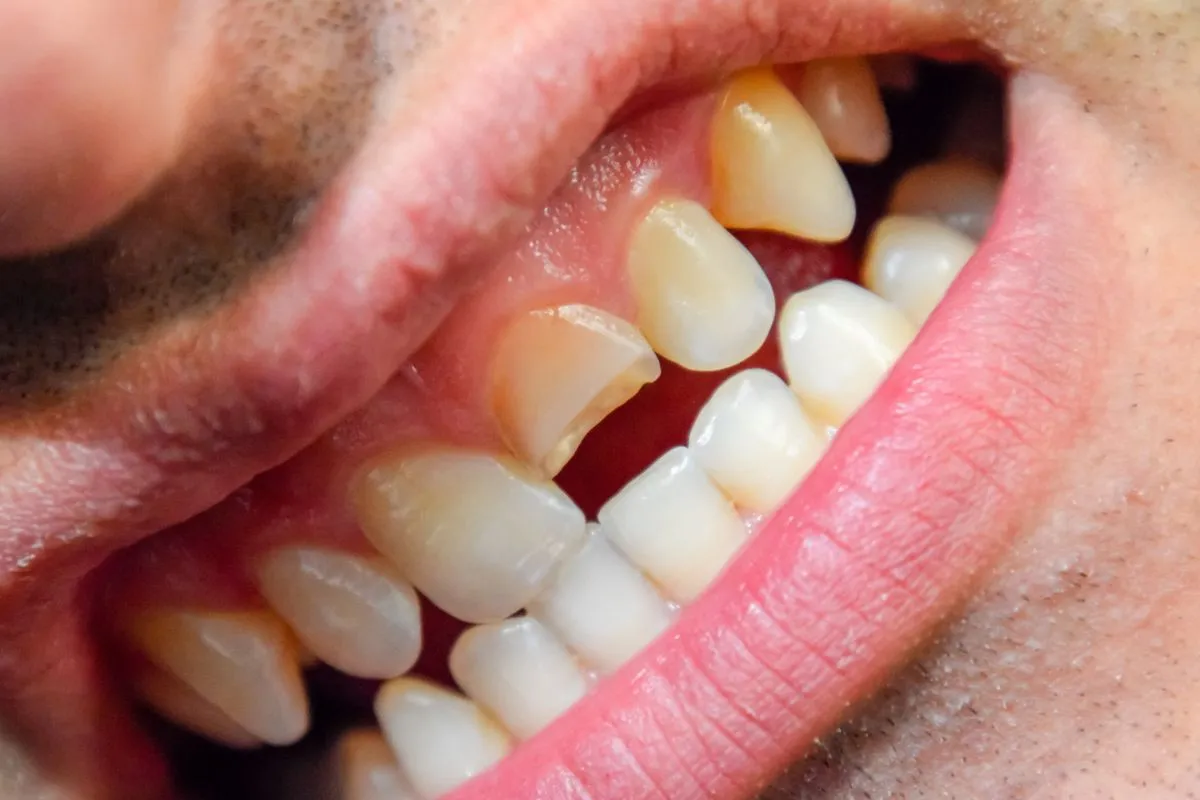
- Teeth that overlap or appear crowded
- Excessive gaps between teeth
- Frequent jaw discomfort
- Clicking sounds when opening or closing the mouth
- Uneven wear on tooth surfaces
- Problems with speech pronunciation
- A bite that feels unstable or uncomfortable
When these concerns are present, an orthodontic evaluation can help determine the most suitable treatment approach.
Understanding Invisalign Treatment
Invisalign uses a series of transparent aligners created specifically for each patient. Unlike traditional braces that rely on brackets and wires, Invisalign aligners fit comfortably over the teeth and apply gentle pressure to guide tooth movement.
The treatment begins with a comprehensive assessment that includes digital scans and detailed imaging. These records help create a customized plan that maps out the movement of each tooth throughout the treatment process.
Patients wear their aligners for most of the day and switch to new sets according to their orthodontist’s instructions. Each aligner stage brings the teeth closer to their desired positions, resulting in gradual and controlled improvements.
Because the aligners are removable, patients can continue enjoying their favorite foods while maintaining normal brushing and flossing routines.
How Invisalign Supports Bite Correction
Although Invisalign is widely recognized for straightening teeth, it also plays an important role in correcting bite irregularities. As teeth move into healthier positions, the way the upper and lower arches interact begins to improve.
Orthodontists carefully design treatment plans to address specific alignment concerns. By controlling tooth movement with precision, Invisalign can help create a more balanced and functional bite.
Patients often experience improvements in comfort, chewing ability, and smile appearance as treatment progresses. The extent of correction depends on the complexity of the individual case and adherence to treatment recommendations.
Bite Problems Commonly Treated with Invisalign
Overbite
An overbite occurs when the upper front teeth significantly overlap the lower front teeth. Excessive overlap may contribute to tooth wear and bite instability. Invisalign can help reposition teeth to achieve a healthier relationship between the arches.
Underbite
In an underbite, the lower teeth extend beyond the upper teeth. This condition may affect facial appearance and oral function. Certain underbite cases can be improved through carefully planned tooth movement.
Crossbite
A crossbite develops when some upper teeth sit inside the lower teeth rather than outside them. Left untreated, this condition may cause uneven wear and bite imbalance. Invisalign can help correct many crossbite situations.
Open Bite
An open bite occurs when the front teeth do not touch when the mouth is closed. This may affect speech and chewing efficiency. Invisalign can help guide teeth into positions that improve bite closure.
Deep Bite
A deep bite involves excessive overlap of the upper and lower front teeth. Treatment focuses on creating a healthier vertical relationship that enhances both function and comfort.
The Benefits of Digital Treatment Planning
One of Invisalign’s most significant advantages is the use of advanced digital technology. Detailed scans eliminate the need for traditional impressions and provide highly accurate information for treatment planning.
Digital software allows orthodontists to:
- Analyze bite relationships precisely
- Monitor tooth movement efficiently
- Create customized treatment sequences
- Predict treatment outcomes
- Make adjustments when necessary
This technology improves accuracy and provides patients with a clearer understanding of their treatment journey from the beginning.
Invisalign for Teenagers
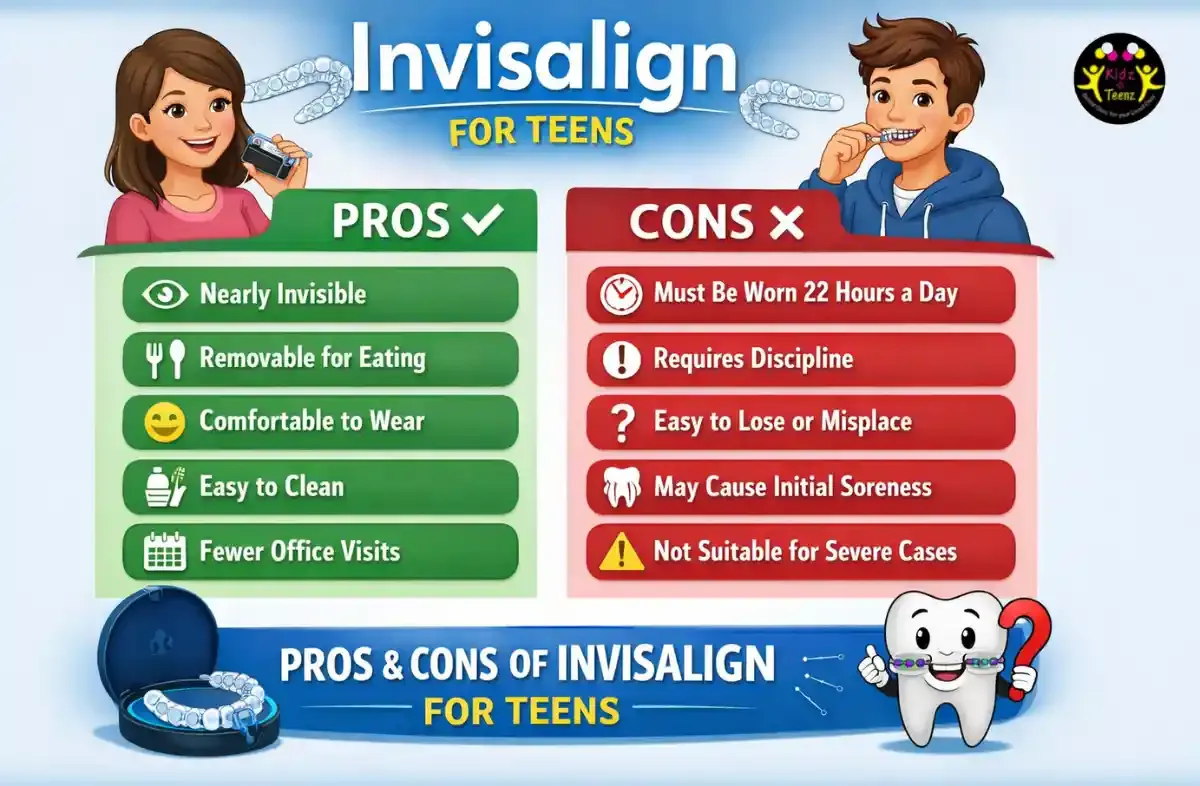
Teenagers often benefit greatly from orthodontic treatment because their teeth and jaws are still developing. Invisalign provides a convenient and aesthetically appealing alternative to conventional braces.
Many teens appreciate the nearly invisible appearance of aligners, while parents value the ability to remove them for eating and oral hygiene. This flexibility can support better dental care throughout treatment.
When worn consistently, Invisalign can effectively address crowding, spacing, and bite concerns during adolescence while helping build confidence during important social years.
Invisalign for Adults
Orthodontic treatment has become increasingly popular among adults seeking improvements in both appearance and oral health. Many adults who postponed orthodontic care earlier in life now choose Invisalign because of its discreet design.
Professional commitments, social interactions, and personal confidence often influence treatment decisions. Invisalign allows adults to undergo orthodontic correction with minimal impact on daily routines.
Treatment plans are customized according to each patient's goals, ensuring that both functional and aesthetic concerns are addressed effectively.
Maintaining Results After Treatment
Completing active treatment is an important milestone, but maintaining the results is equally essential. Once the teeth reach their desired positions, retainers are typically recommended to help preserve alignment.
Teeth naturally tend to shift over time. Wearing retainers as instructed helps prevent unwanted movement and protects the investment made in orthodontic treatment.
Regular dental visits and good oral hygiene habits also contribute to long-term success.
Advantages of Choosing Invisalign
Patients continue to choose Invisalign because it offers numerous benefits beyond appearance.
Some of the most valued advantages include:
- Clear and discreet aligners
- Comfortable fit without metal components
- Removable design for convenience
- Easier cleaning of teeth and gums
- Customized treatment planning
- Improved bite function
- Enhanced smile aesthetics
- Greater confidence throughout treatment
These benefits make Invisalign an attractive solution for individuals seeking effective orthodontic care while maintaining their lifestyle.
Final Thoughts
Healthy bite alignment is essential for proper oral function, long-term dental health, and overall confidence. When teeth and jaws do not work together efficiently, everyday activities such as chewing and speaking may become more challenging. Invisalign provides a modern approach to addressing these concerns through customized clear aligners that gradually improve tooth positioning and bite balance.
With advanced digital planning, personalized treatment, and a discreet appearance, Invisalign has transformed the orthodontic experience for both teenagers and adults. By seeking professional guidance and following a carefully designed treatment plan, patients can achieve a healthier bite, improved comfort, and a more confident smile that lasts for years to come.
Read also https://kidznteenz.in/oral-hygiene-steps/.
























Sign in to leave a comment.