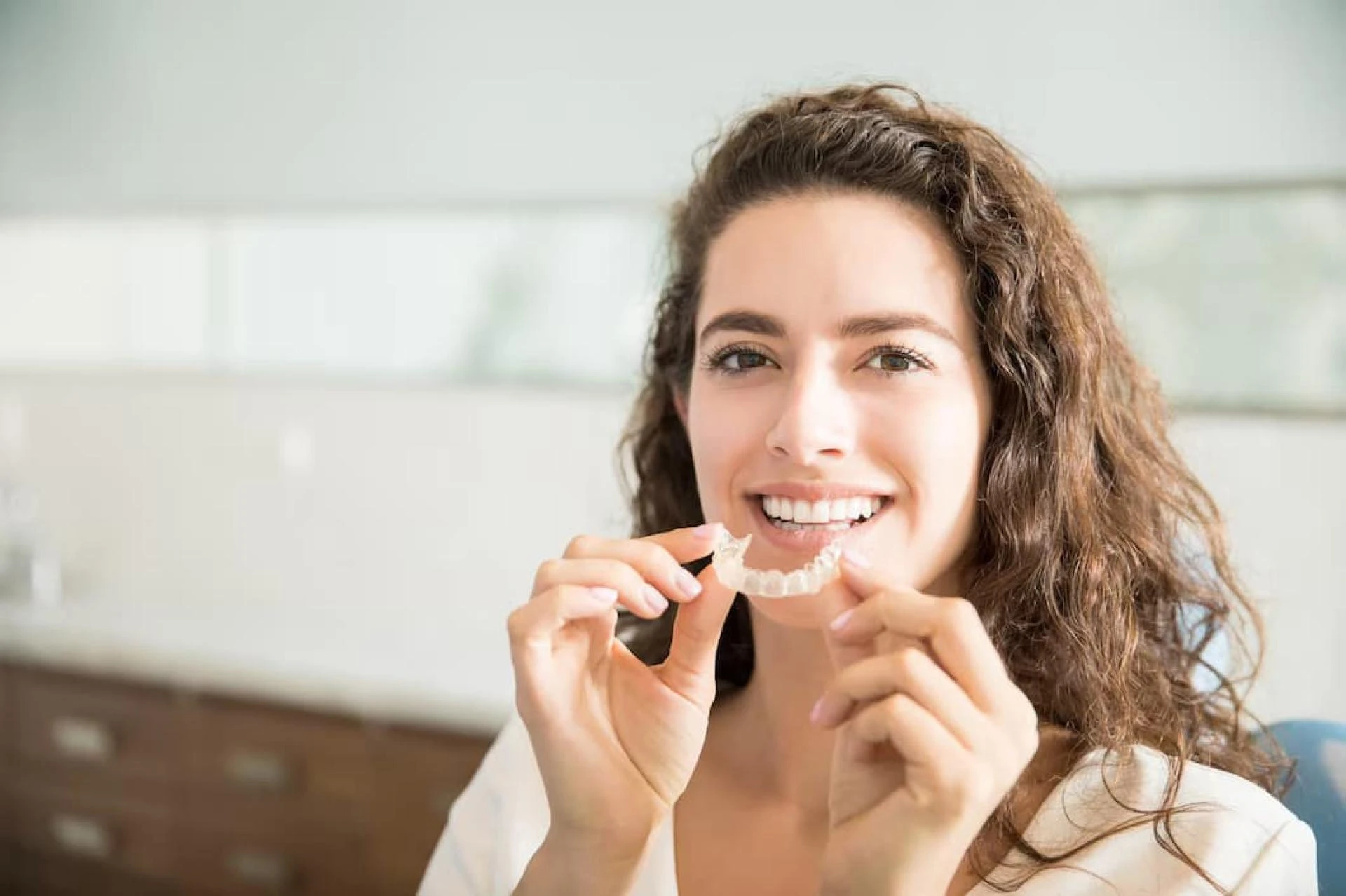

Achieving a straighter smile through clear aligner therapy requires more than simply wearing aligners. Proper care habits, consistent routines, and informed choices all play a critical role in achieving successful outcomes. For individuals choosing Invisalign Mason solutions, understanding how to care for aligners and maintain oral health throughout treatment can significantly improve comfort, efficiency, and final results. This guide explores essential care tips, daily practices, and lifestyle considerations that help patients make the most of their aligner journey.
Understanding Clear Aligner Treatment
Clear aligners are custom designed orthodontic devices that gradually move teeth into improved alignment. They offer a discreet and removable alternative to traditional braces, making them popular among adults and teens alike. While aligners are easy to use, they require discipline and proper maintenance to work effectively.
How Clear Aligners Work
Each set of aligners is worn for a specified period and applies gentle pressure to guide teeth into their planned positions. Over time, successive aligners continue this movement until the desired alignment is achieved. Wearing aligners as directed ensures consistent progress and prevents delays.
Importance of Patient Responsibility
Unlike fixed braces, aligners rely heavily on patient compliance. Skipping wear time, improper cleaning, or careless handling can negatively affect results. Understanding the responsibilities involved is key to a smooth and successful treatment experience.
Wearing Aligners Consistently
Consistency is the foundation of effective aligner treatment. Even small deviations from recommended wear time can impact progress.
Recommended Daily Wear Time
Aligners should typically be worn for twenty to twenty two hours each day. They should only be removed for eating, drinking anything other than water, brushing, and flossing. Wearing aligners less than recommended can slow tooth movement and extend treatment duration.
Avoiding Common Wear Mistakes
Leaving aligners out for extended periods, especially during social events or busy schedules, can cause discomfort when reinserting them and disrupt treatment. Establishing reminders and routines helps maintain consistent wear habits.
Proper Cleaning of Aligners
Keeping aligners clean is essential for oral health and overall comfort. Improper cleaning can lead to odors, stains, and bacterial buildup.
Daily Cleaning Practices
Aligners should be rinsed with lukewarm water each time they are removed. Brushing them gently with a soft toothbrush helps remove plaque and debris. Avoid toothpaste that contains abrasive ingredients, as it may scratch the surface.
Avoiding Harmful Cleaning Methods
Hot water should never be used, as it can warp aligners and affect their fit. Harsh chemicals, mouthwash, or scented soaps should also be avoided since they may damage the material or leave unpleasant residues.
Using Approved Cleaning Solutions
Occasional use of aligner cleaning crystals or dentist approved solutions can help maintain clarity and freshness. These products are designed specifically for aligner materials and support safe cleaning.
Maintaining Excellent Oral Hygiene
Good oral hygiene is especially important during aligner treatment, as teeth are covered for extended periods each day.
Brushing After Every Meal
Teeth should be brushed after every meal or snack before reinserting aligners. Food particles trapped under aligners can lead to plaque buildup, tooth decay, and gum irritation.
Flossing Daily
Daily flossing removes plaque and debris between teeth that brushing alone may miss. This step helps maintain healthy gums and prevents complications during treatment.
Managing Oral Health Changes
Some patients experience increased saliva or temporary dryness when starting aligners. Staying hydrated and maintaining consistent hygiene routines helps manage these changes comfortably.
Eating and Drinking Considerations
What and how patients eat can influence aligner effectiveness and oral health during treatment.
Removing Aligners Before Eating
Aligners should always be removed before eating meals or snacks. Eating with aligners can cause cracks, stains, or distortions that compromise fit.
Drinking Safely With Aligners
Only plain water should be consumed while wearing aligners. Sugary, acidic, or hot beverages can damage aligners and increase the risk of tooth decay if consumed without removal.
Limiting Snacking
Frequent snacking increases the need to remove aligners and brush teeth multiple times a day. Reducing unnecessary snacking helps maintain consistent wear time and simplifies daily routines.
Handling Aligners With Care
Proper handling prevents damage and loss, which can disrupt treatment progress.
Storing Aligners Safely
When not in use, aligners should always be stored in their protective case. Wrapping them in napkins or leaving them exposed increases the risk of accidental disposal or damage.
Avoiding Excessive Force
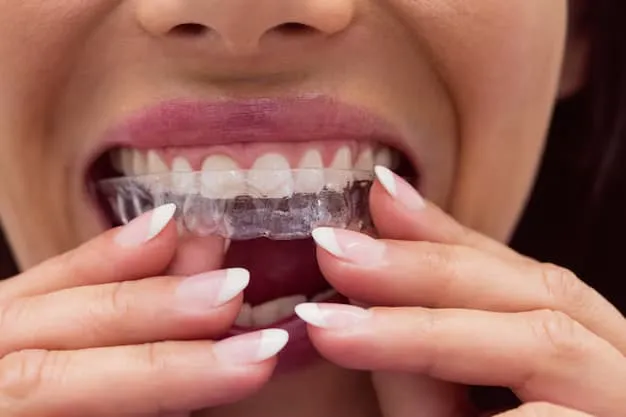
Aligners should be removed gently using both hands to prevent cracking or bending. Following recommended removal techniques helps preserve their shape and effectiveness.
Keeping Aligners Away From Pets
Pets are often attracted to the scent of aligners and may chew or damage them. Keeping aligners safely stored prevents unexpected setbacks.
Managing Discomfort and Adjustments
Mild discomfort is normal during aligner treatment, especially when switching to a new set.
Understanding Initial Pressure
Pressure and slight soreness indicate that aligners are working as intended. This sensation typically subsides within a few days as teeth adjust.
Tips for Reducing Discomfort
Wearing new aligners before bedtime allows patients to sleep through initial pressure. Over the counter pain relievers may also help, when recommended by a dental professional.
Staying on Schedule With Aligner Changes
Changing aligners according to the prescribed schedule supports steady progress and minimizes prolonged discomfort. Delaying changes can stall treatment results.
Monitoring Progress and Compliance
Active involvement in treatment helps ensure optimal outcomes.
Tracking Wear Time
Using reminders or mobile apps can help patients monitor daily wear time. Consistent tracking encourages accountability and supports treatment success.
Recognizing Fit Issues Early
Aligners should fit snugly without excessive gaps. If aligners feel loose or uncomfortable beyond the initial adjustment period, professional guidance should be sought promptly.
Attending Scheduled Checkups
Regular checkups allow dental professionals to monitor progress, make necessary adjustments, and address any concerns early in treatment.
Lifestyle Habits That Support Treatment
Everyday habits can either support or hinder aligner effectiveness.
Avoiding Tobacco Products
Smoking or chewing tobacco can stain aligners and negatively affect oral health. Avoiding these products supports both treatment success and long term dental wellness.
Staying Hydrated
Drinking plenty of water helps maintain oral moisture and reduces the risk of dryness or irritation while wearing aligners.
Protecting Aligners During Travel
Travel cases and cleaning supplies should always be packed when away from home. Maintaining routines while traveling prevents missed wear time or hygiene lapses.
Preventing Treatment Delays
Proactive care helps keep treatment on track and avoids unnecessary extensions.
Replacing Lost or Damaged Aligners Promptly
If an aligner is lost or damaged, contacting a dental provider promptly helps determine the best next step. Wearing a previous aligner temporarily may be advised to maintain progress.
Following Professional Instructions Closely
Treatment plans are personalized, and following instructions precisely ensures teeth move as planned. Deviating from guidance may lead to extended treatment time.
Staying Motivated Throughout Treatment
Focusing on progress and long term benefits helps patients remain committed. Celebrating small milestones encourages consistency and positive habits.
Long Term Benefits of Proper Aligner Care
Caring for aligners and oral health during treatment supports lasting results.
Achieving Predictable Outcomes
Consistent wear and proper care allow aligners to work efficiently, resulting in predictable tooth movement and a successful final smile.
Maintaining Oral Health Improvements
Good hygiene habits developed during treatment often continue afterward, supporting healthier teeth and gums long term.
Preparing for Retention Phase
Successful aligner care sets the foundation for the retention phase, helping preserve results once treatment is complete.
Conclusion
Clear aligner treatment offers a convenient and discreet path to a confident smile when supported by proper care and consistent habits. By following recommended wear schedules, maintaining excellent hygiene, handling aligners responsibly, and staying engaged throughout treatment, patients can achieve the best possible outcomes. For those seeking professional guidance and personalized orthodontic care, Martinez & Martinez Family Dental Care remains committed to helping patients achieve healthy, beautifully aligned smiles through every stage of treatment.


























Sign in to leave a comment.