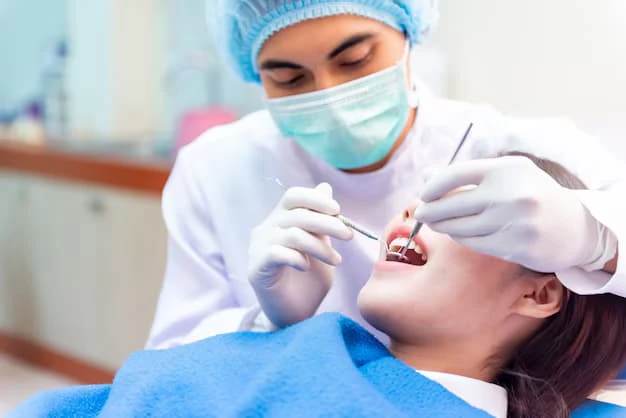

Regular visits to a dental clinic are fundamental for maintaining optimal oral health. These checkups help prevent dental problems before they become severe and allow for early detection of issues such as cavities, gum disease, and oral infections. Professional assessments also monitor tooth development, bite alignment, and overall oral hygiene practices. By scheduling regular appointments, patients receive personalized guidance on maintaining healthy teeth and gums. Dental checkups contribute to overall wellness, as oral health is closely linked to general health conditions. Understanding the importance of consistent dental visits encourages individuals to take a proactive role in their oral care.
Preventive Benefits of Routine Checkups
Preventive care is a key advantage of visiting a dental clinic regularly. Dentists can identify early signs of dental decay, plaque buildup, or gum inflammation before they escalate into major problems. Routine cleanings remove tartar and plaque that cannot be eliminated with home care alone. Preventive checkups reduce the risk of tooth loss, infections, and the need for invasive procedures. Early interventions are often simpler, less costly, and more comfortable for patients. Regular dental visits also provide the opportunity for professional guidance on oral hygiene techniques and dietary habits. Preventive care ensures long-term oral health and a healthy, confident smile.
Detecting Early Signs of Dental Issues
Early detection is crucial in avoiding complex dental procedures. Regular checkups allow dentists to monitor changes in the teeth, gums, and overall oral cavity. Minor cavities, enamel wear, or early gum disease can be treated promptly, preventing progression. Children benefit from early identification of orthodontic needs or developmental issues. Adults gain peace of mind knowing potential problems are addressed before complications arise. Timely detection reduces pain, stress, and treatment costs. Consistent monitoring ensures that oral health remains in optimal condition throughout life.
Maintaining Oral Hygiene and Health
Dental professionals provide guidance on proper brushing, flossing, and the use of oral care products. Education on daily hygiene routines helps patients adopt effective practices that prevent decay and gum disease. Professionals may also recommend preventive treatments such as fluoride applications or dental sealants. Instruction on healthy dietary choices further supports oral health. Regular checkups reinforce good habits and empower patients to maintain their teeth and gums effectively. Maintaining proper oral hygiene between visits complements professional care. Consistent guidance ensures that home care and clinical care work together for optimal results.
Identifying and Treating Dental Conditions
Regular visits to a dental clinic allow for timely identification and treatment of dental conditions. Dentists assess teeth for decay, fractures, or wear and examine gums for signs of infection or disease. Early treatment reduces the risk of complications and ensures better outcomes. Oral screenings also detect conditions such as oral cancer or other abnormalities at an early stage. Addressing dental issues promptly prevents discomfort and preserves the function and aesthetics of the teeth. Timely interventions contribute to long-term oral health and overall well-being. Professional treatment ensures that minor issues do not develop into major problems.
Managing Cavities and Tooth Decay
Cavities are a common dental issue that can escalate if left untreated. Regular checkups allow dentists to detect small areas of decay and provide restorative treatments such as fillings. Early management prevents the spread of decay to other teeth and reduces the likelihood of root canals or extractions. Children and adults alike benefit from preventive treatments that strengthen enamel and protect teeth. Professional advice on dietary habits and oral hygiene further reduces cavity risk. Consistent monitoring ensures that teeth remain healthy and functional for years. Effective cavity management is a central benefit of regular dental visits.
Addressing Gum Disease
Gum disease is a serious condition that affects oral and overall health. Early stages, such as gingivitis, can often be reversed with professional cleaning and proper home care. Advanced gum disease may require more intensive treatments to prevent tooth loss. Regular checkups allow for early identification and intervention, minimizing long-term damage. Dentists provide guidance on brushing techniques, flossing, and lifestyle adjustments to support healthy gums. Monitoring gum health ensures that issues are addressed before they escalate. Professional care combined with preventive measures keeps gums strong and resilient.
Oral Health Education During Checkups
One of the key benefits of visiting a dental clinic is access to education and personalized advice. Dentists guide patients on proper brushing and flossing techniques and recommend products suited to individual needs. Information about dietary choices, habits like teeth grinding, and preventive measures helps maintain oral health. Education empowers families to take an active role in caring for their teeth and gums. Children learn healthy habits early, and adults receive guidance tailored to their lifestyle. Professional education reinforces preventive care and contributes to long-term oral wellness.
Nutrition and Oral Care
Proper nutrition plays a significant role in oral health. Dentists educate patients about foods that strengthen teeth, such as dairy, fruits, and vegetables, while advising on limiting sugary and acidic items. Balanced nutrition supports enamel strength, gum health, and overall dental resilience. Awareness of the impact of diet on oral health helps prevent decay and other issues. Professional guidance ensures that dietary habits complement daily hygiene practices. Nutrition education is an essential component of preventive family dental care and overall wellness.
Lifestyle Habits and Dental Health
Certain lifestyle habits affect oral health, including tobacco use, alcohol consumption, and teeth grinding. Dental professionals provide advice on mitigating risks associated with these habits. Early intervention, including protective devices or behavioral adjustments, can prevent long-term damage. Understanding the relationship between lifestyle and oral health empowers patients to make informed choices. Education during checkups ensures that preventive strategies extend beyond the dental office. Healthy habits combined with regular professional care lead to lasting dental wellness.
Psychological and Emotional Benefits of Checkups
Regular dental visits not only improve physical health but also support psychological well-being. Maintaining a clean, healthy smile enhances self-confidence and social interactions. Knowing that oral health is monitored professionally reduces anxiety about potential problems. Children who visit the dentist regularly develop positive attitudes toward oral care. Adults benefit from the reassurance of early detection and preventive measures. Psychological comfort is an important factor in promoting consistent dental care. A confident smile reflects both oral health and overall well-being.
Reducing Anxiety About Dental Procedures
Frequent visits familiarize patients with the dental environment and procedures, reducing fear and anxiety. Dentists can employ gentle techniques and provide guidance to make visits comfortable. Positive experiences build trust and encourage ongoing preventive care. Early exposure for children creates a foundation for lifelong dental comfort. Adults benefit from reassurance and personalized care strategies. Reduced anxiety promotes adherence to regular checkups and treatments. Consistent dental visits contribute to both physical and emotional health.
Building Long-Term Relationships with Dentists
Regular checkups foster a strong patient-dentist relationship based on trust and communication. Dentists gain a thorough understanding of each patient’s oral history and needs. This familiarity allows for personalized care plans and proactive interventions. Families benefit from continuity of care across generations. Strong relationships encourage patients to seek care promptly and maintain healthy routines. Trust and collaboration improve outcomes and satisfaction with dental services. Long-term relationships are a key advantage of consistent visits to a dental clinic.
Conclusion
Regular checkups at a dental clinic are essential for maintaining oral health, preventing complications, and ensuring early detection of problems. Preventive care, education, treatment, and guidance support both children and adults in maintaining strong, healthy teeth and gums. Consistent visits promote physical wellness, emotional comfort, and long-term confidence in one’s smile. For professional, comprehensive care and personalized preventive strategies, Martinez & Martinez Family Dental Care provides expert services to help families achieve optimal oral health through regular dental checkups.




























Sign in to leave a comment.