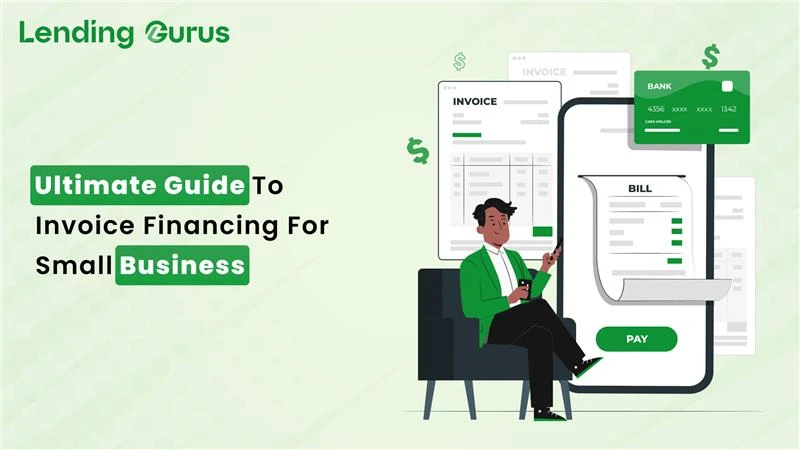

Managing cash flow is one of the biggest challenges for small business owners. When clients take weeks or months to pay their invoices, it can seriously hinder your ability to operate, grow, and pay your own bills. That’s where invoice financing comes in—a smart funding solution that gives you access to cash tied up in unpaid invoices.
In this guide, we’ll break down everything you need to know about small business invoice financing, including how it works, its types, benefits, drawbacks, and whether it’s right for your business.
What is Invoice Financing?
Invoice financing (also known as accounts receivable financing) is a short-term business financing facility that allows a company to free up the cash stuck in unpaid customer invoices. Instead of having to wait 30, 60 or 90 days to receive payment, you can receive a percentage of the value of an invoice right away from a lender, which improves your cash flow instantly. Small business invoice finance is especially handy when a company provides net terms, or has a customer with a lengthy payment cycle.
How Does Invoice Financing Work?
Invoice financing is a simple yet effective way of freeing up the cash that is tied up in outstanding invoices by businesses. It begins with an enterprise shipping goods or rendering a service and presenting an invoice to a client with terms of payment normally 30, 60 or 90 days. Rather than waiting to receive the payment made by the customer, the business presents the invoice to a financing company.
The financier next pays a high amount of the value of the invoice, typically 80-90 per cent, and supplies working capital there and then. After the customer pays the invoice either to the business or the lender (depending on the type of financing), the outstanding balance is made available to the business for a small fee. This will allow keeping the cash flow smooth, and such operating costs as payroll, inventory, and utilities can be covered without any problems.
Types of Invoice Financing
Invoice Factoring
Invoice factoring is the sale of your accounts receivables (i.e. invoices) to a third party financing company, usually referred to as a factor. A factoring company will pay a significant amount of the invoice value immediately, typically 80-90%. They, then, assume all the responsibility of receiving payment directly from your customer. When the invoice has been paid completely, the factor remits the excess amount to you less their service charges. The option will suit the business that requires easy access to finances and is not bothered about the lender contact with their customers.
Invoice Discounting
Invoice discounting leaves the management of the sales ledger and customer relationships to your business. You do not sell the invoices, but you simply use them as security to obtain a loan or business line of credit. The lender will give you a cash advance against the value of the invoices, yet it will be your liability to pursue your clients to pay you. As soon as the customer pays the invoice, you pay the lender, including the fees. This option is more favorable to the companies who wish to make the financing process confidential and also have a direct contact with the clients.
Selective Invoice Financing
Selective invoice financing allows businesses the freedom to pick and choose which individual invoices they wish to finance, as opposed to entering into a complete ledger or ongoing arrangement. The fact that it is only required occasionally or a company wishes to finance high value invoices on an ad hoc basis makes this option ideal. It is more controllable and sometimes useful to meet seasonal cash flow requirements or even sudden expenses.
Benefits of Invoice Financing for Small Businesses
Small business invoice financing offers multiple advantages that can help you stay competitive and financially healthy.
Improved Cash Flow
Cash flow is critical to running your daily operations—paying employees, buying inventory, covering rent, and more. Invoice financing bridges the gap between when you issue an invoice and when your customer pays it, allowing you to unlock cash tied up in receivables.
Faster Access to Working Capital
Invoice financing provides you with a quick advance of funds, unlike traditional working capital loans, which may take weeks to be approved. The majority of the providers will approve you with very little paperwork, and once you are set up, you should be able to get funds against new invoices within minutes.
Easier Approval Process
Convention loans usually need good credit history and long financial records. But with invoice finance small business solutions, the lenders will be more concerned about the creditworthiness of your customer, rather than yours. In case your clients paid well in the past, then you have higher chances of being approved.
Supports Business Growth
Whether you’re hiring new staff, taking on larger contracts, or expanding operations, growth often requires capital. Invoice financing gives you the financial flexibility to pursue new opportunities without waiting for past work to be paid.
No Collateral Needed
A big advantage of invoice financing is that you usually do not have to put up physical collateral such as property, equipment, or inventory. Unlike long term equipment financing, where the asset itself secures the loan, invoice financing uses the invoice as collateral. This makes it a perfect funding option even for small businesses that do not own major assets.
Flexible & Reusable
Invoice financing is continued and adjustable unlike a loan where the amount and the term are fixed. You have the flexibility to finance as little or as many invoices as you require, when you require.
Potential Drawbacks to Consider
While invoice financing has many advantages, it’s important to be aware of potential downsides:
- Fees Can Add Up: Depending on the lender and terms, fees might reduce your profit margin.
- Client Relationships: In invoice factoring, your clients deal directly with the financing company, which can affect relationships if not handled professionally.
- Not Ideal for All Businesses: It only works if you regularly issue invoices to B2B customers.
How to Choose the Right Invoice Financing Provider
Here’s what to look for when selecting a lender:
- Clear Pricing: No hidden pricing. know the upfront costs, ongoing costs and interest rates.
- Funding rapidity: Certain providers can provide funds within 24 hours of approval of invoice.
- Online Portals: Contemporary lenders provide simple portals to load invoices and monitor payments.
- Customer Service: They should be responsive and professional- especially when they will be making direct contact with your clients.
- Reviews & Ratings: Look at testimonials and 3rd party reviews.
Final Thoughts: Is Invoice Financing Right for You?
Small business invoice financing is not a one-size-fits-all solution—but for small businesses experiencing cash flow crunches due to unpaid invoices, it can be a lifesaver. Whether you’re growing fast, dealing with seasonal slowdowns, or managing operational costs, this funding strategy allows you to access the money you’ve already earned.
Need help managing cash flow or choosing a lender? Get in touch with us to get invoice financing for your small business.
Originally Posted at: Ultimate Guide to Invoice Financing For Small Business




















Sign in to leave a comment.